
Quran 3:144 – All messengers have passed away
Introduction
وَمَا مُحَمَّدٌ اِلَّا رَسُوۡلٌ ۚ قَدۡ خَلَتۡ مِنۡ قَبۡلِہِ الرُّسُلُ ؕ اَفَا۠ئِنۡ مَّاتَ اَوۡ قُتِلَ انۡقَلَبۡتُمۡ عَلٰۤی اَعۡقَابِکُمۡ ؕ وَمَنۡ یَّنۡقَلِبۡ عَلٰی عَقِبَیۡہِ فَلَنۡ یَّضُرَّ اللّٰہَ شَیۡئًا ؕ وَسَیَجۡزِی اللّٰہُ الشّٰکِرِیۡنَ
And Muhammad is only a Messenger. Verily, all Messengers have passed away before him. If then he die or be slain, will you turn back on your heels? And he who turns back on his heels shall not harm Allah at all. And Allah will certainly reward the grateful.[Quran 3:144]
This verse holds a singular place in Islamic history. It was not revealed in the abstract, as a general statement of theology to be pondered at leisure — it was recited, in a moment of acute crisis, to settle a question the entire Muslim community was struggling to answer: had the Messenger of Allah ﷺ truly died? When Abū Bakr (ra) stood before the Companions and recited it, the effect was immediate and total. Grief that had tipped into denial gave way to certainty; ‘Umar (ra), who moments earlier had insisted the Prophet ﷺ could not have died, fell to the ground, convinced. What follows is an examination of exactly what this verse says, how it was used, and what its use that day necessarily proves — not only about the death of the Holy Prophet ﷺ, but about the fate of every Messenger named within its scope, including ʿĪsā (as).
Meaning of Khalā
Khalā means to pass away. In the context of a human passing away, it only means the following:
- Passing away from this worldly life (i.e death or martyrdom)
- Passing away from a specific location, IF that location is mentioned
It is never used to describe flying physically towards heaven. In this article, we will prove our claim from the Quran, ahadith, and Arabic literature.
Pre-Islamic Poetry
Even before Islam, the Arabs used Khalā to describe the death of humans.
إذا سيد منا خلا قام سيد
When a leader among us passes away; another one stands [in his place]
[Qisas al-Arab, vol. 4, p. 103]
Arabic Lexicons
خلا فلان، أي: مات
So-and-so passed away i.e. he died.
[Lisan al-Arab]
[Tahdhib al-lughah]
[Al-Mu’jam al-Wasit]
Quranic Evidence
Allah Almighty defines Khalā of messengers in Surah Aal-e-Imran, verse 144 as death and martyrdom. He does not list flying to the heavens with a physical body as one of the meanings of Khalā.
وَمَا مُحَمَّدٌ اِلَّا رَسُوۡلٌ ۚ قَدۡ خَلَتۡ مِنۡ قَبۡلِہِ الرُّسُلُ ؕ اَفَا۠ئِنۡ مَّاتَ اَوۡ قُتِلَ انۡقَلَبۡتُمۡ عَلٰۤی اَعۡقَابِکُمۡ ؕ وَمَنۡ یَّنۡقَلِبۡ عَلٰی عَقِبَیۡہِ فَلَنۡ یَّضُرَّ اللّٰہَ شَیۡئًا ؕ وَسَیَجۡزِی اللّٰہُ الشّٰکِرِیۡنَ
And Muhammad is only a Messenger. Verily, all Messengers have passed away before him. If then he die or be slain, will you turn back on your heels? And he who turns back on his heels shall not harm Allah at all. And Allah will certainly reward the grateful.
[Quran 3:144]
The same wording is used in Surah Al-Ma’idah, verse 75, where Allah Almighty proves that the prophets before Isa (AS) have died, i.e., they have died.
مَا الۡمَسِیۡحُ ابۡنُ مَرۡیَمَ اِلَّا رَسُوۡلٌ ۚ قَدۡ خَلَتۡ مِنۡ قَبۡلِہِ الرُّسُلُ ؕ وَاُمُّہٗ صِدِّیۡقَۃٌ ؕ کَانَا یَاۡکُلٰنِ الطَّعَامَ ؕ اُنۡظُرۡ کَیۡفَ نُبَیِّنُ لَہُمُ الۡاٰیٰتِ ثُمَّ انۡظُرۡ اَنّٰی یُؤۡفَکُوۡنَ
The Messiah, son of Mary, was only a Messenger; surely, Messengers like unto him had indeed passed away before him. And his mother was a truthful woman. They both used to eat food. See how We explain the Signs for their good, and see how they are turned away.
[Quran 5:75]
The verse not only says that Isa (AS) has died just like the prophets of the past but Allah also proves his death by saying that he used to eat food just like Maryam (AS). Since she does not eat food, neither does he. Thus, he has also died just like his mother.
There are numerous other verses that prove that Khalā does indeed mean to die. These verses are listed in another article, Khalat in the Holy Quran.
Hadith Literature
The word has been used in the Hadith literature as well to refer to passing away of previous generations:
أَخْبَرَنَا سُوَيْدٌ، قَالَ أَنْبَأَنَا عَبْدُ اللَّهِ، عَنْ مَعْمَرٍ، عَنِ الزُّهْرِيِّ، عَنْ أَبِي بَكْرِ بْنِ عَبْدِ الرَّحْمَنِ بْنِ الْحَارِثِ، عَنْ أَبِيهِ، قَالَ سَمِعْتُ عُثْمَانَ، رضى الله عنه يَقُولُ اجْتَنِبُوا الْخَمْرَ فَإِنَّهَا أُمُّ الْخَبَائِثِ إِنَّهُ كَانَ رَجُلٌ مِمَّنْ خَلاَ قَبْلَكُمْ تَعَبَّدَ فَعَلِقَتْهُ امْرَأَةٌ غَوِيَّةٌ فَأَرْسَلَتْ إِلَيْهِ جَارِيَتَهَا فَقَالَتْ لَهُ إِنَّا نَدْعُوكَ لِلشَّهَادَةِ فَانْطَلَقَ مَعَ جَارِيَتِهَا فَطَفِقَتْ كُلَّمَا دَخَلَ بَابًا أَغْلَقَتْهُ دُونَهُ حَتَّى أَفْضَى إِلَى امْرَأَةٍ وَضِيئَةٍ عِنْدَهَا غُلاَمٌ وَبَاطِيَةُ خَمْرٍ فَقَالَتْ إِنِّي وَاللَّهِ مَا دَعَوْتُكَ لِلشَّهَادَةِ وَلَكِنْ دَعَوْتُكَ لِتَقَعَ عَلَىَّ أَوْ تَشْرَبَ مِنْ هَذِهِ الْخَمْرَةِ كَأْسًا أَوْ تَقْتُلَ هَذَا الْغُلاَمَ . قَالَ فَاسْقِينِي مِنْ هَذَا الْخَمْرِ كَأْسًا فَسَقَتْهُ كَأْسًا . قَالَ زِيدُونِي فَلَمْ يَرِمْ حَتَّى وَقَعَ عَلَيْهَا وَقَتَلَ النَّفْسَ فَاجْتَنِبُوا الْخَمْرَ فَإِنَّهَا وَاللَّهِ لاَ يَجْتَمِعُ الإِيمَانُ وَإِدْمَانُ الْخَمْرِ إِلاَّ لَيُوشِكُ أَنْ يُخْرِجَ أَحَدُهُمَا صَاحِبَهُ .
It was narrated from Abu Bakr bin ‘Abdur-Rahman bin Al-Harith that his father said: “I heard ‘Uthman, may Allah be pleased with him, say: ‘Avoid Khamr for it is the mother of all evils. There was a man among those who passed away before you who was a devoted worshipper. An immoral woman fell in love with him. She sent her slave girl to him, saying: We are calling you to bear witness. So he set out with her slave girl, and every time he entered a door, she locked it behind him, until he reached a beautiful woman who has with her a boy and a vessel of wine. She said: ‘By Allah, I did not call you to bear witness, rather I called you to have intercourse with me, or to drink a cup of this wine, or to kill this boy.’ He said: ‘Pour me a cup of this wine.’ So she poured him a cup. He said: ‘Give me more.’ And soon he had intercourse with her and killed the boy. So avoid Khamr, for by Allah faith and addiction to Khamr cannot coexist but, one of them will soon expel the other.”
The Sahaba (RA) also understood Khalā similarly and agreed that the verse is indeed talking about the death of the prophets, including the Prophet Muhammad (SAW). This is evident from the following narration describing the events after the demise of the Prophet (SAW).
أَنَّ عَائِشَةَ، أَخْبَرَتْهُ أَنَّ أَبَا بَكْرٍ ـ رضى الله عنه ـ أَقْبَلَ عَلَى فَرَسٍ مِنْ مَسْكَنِهِ بِالسُّنْحِ حَتَّى نَزَلَ، فَدَخَلَ الْمَسْجِدَ فَلَمْ يُكَلِّمِ النَّاسَ حَتَّى دَخَلَ عَلَى عَائِشَةَ، فَتَيَمَّمَ رَسُولَ اللَّهِ صلى الله عليه وسلم وَهْوَ مُغَشًّى بِثَوْبِ حِبَرَةٍ، فَكَشَفَ عَنْ وَجْهِهِ ثُمَّ أَكَبَّ عَلَيْهِ فَقَبَّلَهُ وَبَكَى. ثُمَّ قَالَ بِأَبِي أَنْتَ وَأُمِّي، وَاللَّهِ لاَ يَجْمَعُ اللَّهُ عَلَيْكَ مَوْتَتَيْنِ، أَمَّا الْمَوْتَةُ الَّتِي كُتِبَتْ عَلَيْكَ فَقَدْ مُتَّهَا. قَالَ الزُّهْرِيُّ وَحَدَّثَنِي أَبُو سَلَمَةَ، عَنْ عَبْدِ اللَّهِ بْنِ عَبَّاسٍ، أَنَّ أَبَا بَكْرٍ، خَرَجَ وَعُمَرُ يُكَلِّمُ النَّاسَ فَقَالَ اجْلِسْ يَا عُمَرُ، فَأَبَى عُمَرُ أَنْ يَجْلِسَ. فَأَقْبَلَ النَّاسُ إِلَيْهِ وَتَرَكُوا عُمَرَ، فَقَالَ أَبُو بَكْرٍ أَمَّا بَعْدُ مَنْ كَانَ مِنْكُمْ يَعْبُدُ مُحَمَّدًا صلى الله عليه وسلم فَإِنَّ مُحَمَّدًا قَدْ مَاتَ، وَمَنْ كَانَ مِنْكُمْ يَعْبُدُ اللَّهَ فَإِنَّ اللَّهَ حَىٌّ لاَ يَمُوتُ، قَالَ اللَّهُ {وَمَا مُحَمَّدٌ إِلاَّ رَسُولٌ قَدْ خَلَتْ مِنْ قَبْلِهِ الرُّسُلُ} إِلَى قَوْلِهِ {الشَّاكِرِينَ} وَقَالَ وَاللَّهِ لَكَأَنَّ النَّاسَ لَمْ يَعْلَمُوا أَنَّ اللَّهَ أَنْزَلَ هَذِهِ الآيَةَ حَتَّى تَلاَهَا أَبُو بَكْرٍ، فَتَلَقَّاهَا مِنْهُ النَّاسُ كُلُّهُمْ فَمَا أَسْمَعُ بَشَرًا مِنَ النَّاسِ إِلاَّ يَتْلُوهَا. فَأَخْبَرَنِي سَعِيدُ بْنُ الْمُسَيَّبِ أَنَّ عُمَرَ قَالَ وَاللَّهِ مَا هُوَ إِلاَّ أَنْ سَمِعْتُ أَبَا بَكْرٍ تَلاَهَا فَعَقِرْتُ حَتَّى مَا تُقِلُّنِي رِجْلاَىَ، وَحَتَّى أَهْوَيْتُ إِلَى الأَرْضِ حِينَ سَمِعْتُهُ تَلاَهَا أَنَّ النَّبِيَّ صلى الله عليه وسلم قَدْ مَاتَ.
Narrated `Aisha:
Abu Bakr came from his house at As-Sunh on a horse. He dismounted and entered the Mosque, but did not speak to the people till he entered upon `Aisha and went straight to Allah’s Messenger (ﷺ) who was covered with Hibra cloth (i.e. a kind of Yemenite cloth). He then uncovered the Prophet’s face and bowed over him and kissed him and wept, saying, “Let my father and mother be sacrificed for you. By Allah, Allah will never cause you to die twice. As for the death which was written for you, has come upon you.” Narrated Ibn `Abbas: Abu Bakr went out while `Umar bin Al-Khattab was talking to the people. Abu Bakr said, “Sit down, O `Umar!” But `Umar refused to sit down. So the people came to Abu Bakr and left `Umar. Abu Bakr said, “To proceed, if anyone amongst you used to worship Muhammad , then Muhammad is dead, but if (anyone of) you used to worship Allah, then Allah is Alive and shall never die. Allah said:–“Muhammad is no more than an Apostle, and indeed (many) apostles have passed away before him..(till the end of the Verse )……Allah will reward to those who are thankful.” (3.144) By Allah, it was as if the people never knew that Allah had revealed this Verse before till Abu Bakr recited it and all the people received it from him, and I heard everybody reciting it (then). Narrated Az-Zuhri: Sa`id bin Al-Musaiyab told me that `Umar said, “By Allah, when I heard Abu Bakr reciting it, my legs could not support me and I fell down at the very moment of hearing him reciting it, declaring that the Prophet (ﷺ) had died.”
[Sahih Bukhari 4452]
Meaning of Al-Rusul
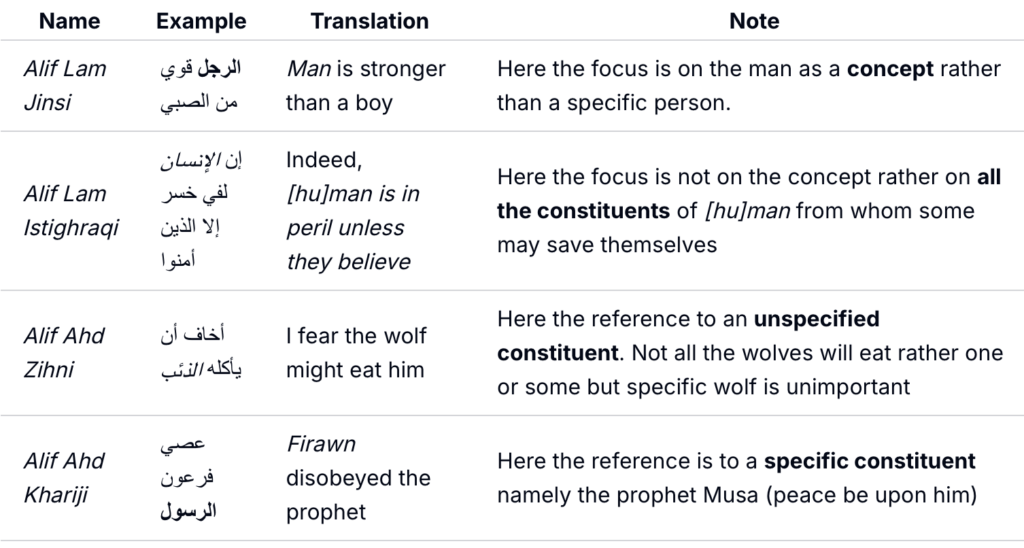
Al-Rusul means ‘the Messengers. It can either be Alif Lam Jinsi – referring to the Messengers as a class or it can be Alif Lam Istighraqi – referring to all the Messengers:
![[Qisas al-Arab, vol. 4, p. 103]](https://whiteminaret.org/wp-content/uploads/2024/06/khalat-preislamicpoetry-qisasalarab-scaled.jpg)
![[Lisan al-Arab]](https://whiteminaret.org/wp-content/uploads/2024/06/khalat-lexicons-lisanarab.png)
![[Tahdhib al-lughah]](https://whiteminaret.org/wp-content/uploads/2024/06/khalat-lexicons-tahdhiballugha.png)
![[Al-Mu’jam al-Wasit]](https://whiteminaret.org/wp-content/uploads/2024/06/khalat-lexicons-muajamalwasit.png)
It cannot be Jinsi, however, as the Quran uses the same verse for the death of Isa (as):
مَا الۡمَسِیۡحُ ابۡنُ مَرۡیَمَ اِلَّا رَسُوۡلٌ ۚ قَدۡ خَلَتۡ مِنۡ قَبۡلِہِ الرُّسُلُ ؕ وَاُمُّہٗ صِدِّیۡقَۃٌ ؕ کَانَا یَاۡکُلٰنِ الطَّعَامَ ؕ اُنۡظُرۡ کَیۡفَ نُبَیِّنُ لَہُمُ الۡاٰیٰتِ ثُمَّ انۡظُرۡ اَنّٰی یُؤۡفَکُوۡنَ
The Messiah, son of Mary, was only a Messenger; surely, Messengers like unto him had indeed passed away before him. And his mother was a truthful woman. They both used to eat food. See how We explain the Signs for their good, and see how they are turned away.
[Quran 5:75]
In this verse it clearly refers to all Messengers as at the time the Ayah was being revealed all the Messengers had passed away. For other reasons, as will be demonstrated in the article, it cannot mean anything other than all the Messengers.
The event of the Ijmā of the Sahaba
Here are there Ahadith pertaining to the event of the death of the Prophet (saw) and the Ijmā the companions had on the death of Isa (as) by means of the utilisation of the Ayah 3:144.
1. The Onset of the Prophet’s ﷺ Final Illness
حَدَّثَنَا بَهْزٌ، قَالَ: حَدَّثَنَا حَمَّادُ بْنُ سَلَمَةَ، قَالَ: أَخْبَرَنِي أَبُو عِمْرَانَ الْجَوْنِيُّ، عَنْ يَزِيدَ بْنِ بَابَنُوسَ، قَالَ: ذَهَبْتُ أَنَا وَصَاحِبٌ لِي إِلَى عَائِشَةَ… ثُمَّ قَالَتْ: “…فَبَيْنَمَا رَأْسُهُ ذَاتَ يَوْمٍ عَلَى مَنْكِبَيَّ إِذْ مَالَ رَأْسُهُ نَحْوَ رَأْسِي، فَظَنَنْتُ أَنَّهُ يُرِيدُ مِنْ رَأْسِي حَاجَةً، فَخَرَجَتْ مِنْ فِيهِ نُطْفَةٌ بَارِدَةٌ، فَوَقَعَتْ عَلَى ثُغْرَةِ نَحْرِي، فَاقْشَعَرَّ لَهَا جِلْدِي، فَظَنَنْتُ أَنَّهُ غُشِيَ عَلَيْهِ، فَسَجَّيْتُهُ ثَوْبًا، فَجَاءَ عُمَرُ وَالْمُغِيرَةُ بْنُ شُعْبَةَ، فَاسْتَأْذَنَا، فَأَذِنْتُ لَهُمَا، وَجَذَبْتُ إِلَيَّ الْحِجَابَ، فَنَظَرَ عُمَرُ إِلَيْهِ، فَقَالَ: وَاغَشْيَاهْ، مَا أَشَدُّ غَشْيَ رَسُولِ اللَّهِ صَلَّى اللَّهُ عَلَيْهِ وَسَلَّمَ، ثُمَّ قَامَا، فَلَمَّا دَنَوَا مِنَ الْبَابِ، قَالَ الْمُغِيرَةُ: يَا عُمَرُ، مَاتَ رَسُولُ اللَّهِ صَلَّى اللَّهُ عَلَيْهِ وَسَلَّمَ، قَالَ: كَذَبْتَ، بَلْ أَنْتَ رَجُلٌ تَحُوسُكَ فِتْنَةٌ، إِنَّ رَسُولَ اللَّهِ صَلَّى اللَّهُ عَلَيْهِ وَسَلَّمَ لَا يَمُوتُ حَتَّى يُفْنِيَ اللَّهُ عَزَّ وَجَلَّ الْمُنَافِقِينَ…”
…One day, the Prophet (peace and blessings of Allah be upon him) was resting his head on my shoulder when suddenly his head tilted towards my head. I thought he might want to kiss my head, but at that moment, a drop of saliva came out of his mouth and fell on my chest. I got goosebumps and thought that he might have fainted. So I covered him with a sheet. Meanwhile, Umar and Mughirah bin Shuba (may Allah be pleased with them) arrived and asked for permission to enter. I granted them permission and drew the curtain towards myself. Seeing the Prophet (peace and blessings of Allah be upon him), Umar said, “Alas, unconsciousness! How intense is the unconsciousness of the Prophet (peace and blessings of Allah be upon him)!” A little later, he got up. As they both approached the door, Mughirah bin Shuba said, “O Umar, the Prophet (peace and blessings of Allah be upon him) has passed away.” Umar said, “You are wrong. Rather, you are a mischief-maker. The Prophet (peace and blessings of Allah be upon him) cannot pass away until Allah Almighty eliminates the hypocrites.”…
Grade: Hasan
2. ‘Umar’s (ra) Denial and His Belief in the Prophet’s ﷺ Return
حَدَّثَنَا إِسْمَاعِيلُ بْنُ عَبْدِ اللَّهِ، حَدَّثَنَا سُلَيْمَانُ بْنُ بِلاَلٍ، عَنْ هِشَامِ بْنِ عُرْوَةَ، عَنْ عُرْوَةَ بْنِ الزُّبَيْرِ، عَنْ عَائِشَةَ ـ رضى الله عنها ـ زَوْجِ النَّبِيِّ صلى الله عليه وسلم أَنَّ رَسُولَ اللَّهِ صلى الله عليه وسلم مَاتَ وَأَبُو بَكْرٍ بِالسُّنْحِ ـ قَالَ إِسْمَاعِيلُ يَعْنِي بِالْعَالِيَةِ ـ فَقَامَ عُمَرُ يَقُولُ وَاللَّهِ مَا مَاتَ رَسُولُ اللَّهِ صلى الله عليه وسلم. قَالَتْ وَقَالَ عُمَرُ وَاللَّهِ مَا كَانَ يَقَعُ فِي نَفْسِي إِلاَّ ذَاكَ وَلَيَبْعَثَنَّهُ اللَّهُ فَلَيَقْطَعَنَّ أَيْدِيَ رِجَالٍ وَأَرْجُلَهُمْ. فَجَاءَ أَبُو بَكْرٍ فَكَشَفَ عَنْ رَسُولِ اللَّهِ صلى الله عليه وسلم فَقَبَّلَهُ قَالَ بِأَبِي أَنْتَ وَأُمِّي طِبْتَ حَيًّا وَمَيِّتًا، وَالَّذِي نَفْسِي بِيَدِهِ لاَ يُذِيقُكَ اللَّهُ الْمَوْتَتَيْنِ أَبَدًا. ثُمَّ خَرَجَ فَقَالَ أَيُّهَا الْحَالِفُ عَلَى رِسْلِكَ. فَلَمَّا تَكَلَّمَ أَبُو بَكْرٍ جَلَسَ عُمَرُ. فَحَمِدَ اللَّهَ أَبُو بَكْرٍ وَأَثْنَى عَلَيْهِ وَقَالَ أَلاَ مَنْ كَانَ يَعْبُدُ مُحَمَّدًا صلى الله عليه وسلم فَإِنَّ مُحَمَّدًا قَدْ مَاتَ، وَمَنْ كَانَ يَعْبُدُ اللَّهَ فَإِنَّ اللَّهَ حَىٌّ لاَ يَمُوتُ. وَقَالَ {إِنَّكَ مَيِّتٌ وَإِنَّهُمْ مَيِّتُونَ} وَقَالَ {وَمَا مُحَمَّدٌ إِلاَّ رَسُولٌ قَدْ خَلَتْ مِنْ قَبْلِهِ الرُّسُلُ أَفَإِنْ مَاتَ أَوْ قُتِلَ انْقَلَبْتُمْ عَلَى أَعْقَابِكُمْ وَمَنْ يَنْقَلِبْ عَلَى عَقِبَيْهِ فَلَنْ يَضُرَّ اللَّهَ شَيْئًا وَسَيَجْزِي اللَّهُ الشَّاكِرِينَ} قَالَ فَنَشَجَ النَّاسُ يَبْكُونَ ـ قَالَ ـ وَاجْتَمَعَتِ الأَنْصَارُ إِلَى سَعْدِ بْنِ عُبَادَةَ فِي سَقِيفَةِ بَنِي سَاعِدَةَ فَقَالُوا مِنَّا أَمِيرٌ وَمِنْكُمْ أَمِيرٌ، فَذَهَبَ إِلَيْهِمْ أَبُو بَكْرٍ وَعُمَرُ بْنُ الْخَطَّابِ وَأَبُو عُبَيْدَةَ بْنُ الْجَرَّاحِ، فَذَهَبَ عُمَرُ يَتَكَلَّمُ فَأَسْكَتَهُ أَبُو بَكْرٍ، وَكَانَ عُمَرُ يَقُولُ وَاللَّهِ مَا أَرَدْتُ بِذَلِكَ إِلاَّ أَنِّي قَدْ هَيَّأْتُ كَلاَمًا قَدْ أَعْجَبَنِي خَشِيتُ أَنْ لاَ يَبْلُغَهُ أَبُو بَكْرٍ، ثُمَّ تَكَلَّمَ أَبُو بَكْرٍ فَتَكَلَّمَ أَبْلَغَ النَّاسِ فَقَالَ فِي كَلاَمِهِ نَحْنُ الأُمَرَاءُ وَأَنْتُمُ الْوُزَرَاءُ. فَقَالَ حُبَابُ بْنُ الْمُنْذِرِ لاَ وَاللَّهِ لاَ نَفْعَلُ، مِنَّا أَمِيرٌ وَمِنْكُمْ أَمِيرٌ. فَقَالَ أَبُو بَكْرٍ لاَ، وَلَكِنَّا الأُمَرَاءُ وَأَنْتُمُ الْوُزَرَاءُ هُمْ أَوْسَطُ الْعَرَبِ دَارًا، وَأَعْرَبُهُمْ أَحْسَابًا فَبَايِعُوا عُمَرَ أَوْ أَبَا عُبَيْدَةَ. فَقَالَ عُمَرُ بَلْ نُبَايِعُكَ أَنْتَ، فَأَنْتَ سَيِّدُنَا وَخَيْرُنَا وَأَحَبُّنَا إِلَى رَسُولِ اللَّهِ صلى الله عليه وسلم. فَأَخَذَ عُمَرُ بِيَدِهِ فَبَايَعَهُ، وَبَايَعَهُ النَّاسُ، فَقَالَ قَائِلٌ قَتَلْتُمْ سَعْدَ بْنَ عُبَادَةَ. فَقَالَ عُمَرُ قَتَلَهُ اللَّهُ .
Narrated ‘Aisha: (the wife of the Prophet) Allah’s Messenger (ﷺ) died while Abu Bakr was at a place called As-Sunah (Al-‘Aliya) ‘Umar stood up and said, “By Allah! Allah’s Messenger (ﷺ) is not dead!” ‘Umar (later on) said, “By Allah! Nothing occurred to my mind except that.” He said, “Verily! Allah will resurrect him and he will cut the hands and legs of some men.” Then Abu Bakr came and uncovered the face of Allah’s Messenger (ﷺ), kissed him and said, “Let my mother and father be sacrificed for you, (O Allah’s Messenger (ﷺ)), you are good in life and in death. By Allah in Whose Hands my life is, Allah will never make you taste death twice.” Then he went out and said, “O oath-taker! Don’t be hasty.” When Abu Bakr spoke, ‘Umar sat down. Abu Bakr praised and glorified Allah and said, No doubt! Whoever worshipped Muhammad, then Muhammad is dead, but whoever worshipped Allah, then Allah is Alive and shall never die.” Then he recited Allah’s Statement.: — “(O Muhammad) Verily you will die, and they also will die.” (39.30) He also recited: — “Muhammad is no more than an Apostle; and indeed many Apostles have passed away, before him, If he dies Or is killed, will you then Turn back on your heels? And he who turns back On his heels, not the least Harm will he do to Allah And Allah will give reward to those Who are grateful.” (3.144) The people wept loudly, and the Ansar were assembled with Sad bin ‘Ubada in the shed of Bani Saida. They said (to the emigrants). “There should be one ‘Amir from us and one from you.” Then Abu Bakr, Umar bin Al-Khattab and Abu ‘baida bin Al-Jarrah went to them. ‘Umar wanted to speak but Abu Bakr stopped him. ‘Umar later on used to say, “By Allah, I intended only to say something that appealed to me and I was afraid that Abu Bakr would not speak so well. Then Abu Bakr spoke and his speech was very eloquent…
3. ‘Umar’s (ra) Full Reasoning — the Moses (as) Analogy
“When the Apostle of Allah died, ʿUmar stood up among the people to address them and said: ‘Behold! I should not hear anyone saying that Muḥammad has died. Verily, Muhammad has not died, only his Lord has sent for him as He had sent for Moses and he was absent from his people for forty days.‘”
Chain grade: Strong.
4. Abū Bakr (ra) Confirms the Death
حَدَّثَنَا بِشْرُ بْنُ مُحَمَّدٍ، أَخْبَرَنَا عَبْدُ اللَّهِ، قَالَ أَخْبَرَنِي مَعْمَرٌ، وَيُونُسُ، عَنِ الزُّهْرِيِّ، قَالَ أَخْبَرَنِي أَبُو سَلَمَةَ، أَنَّ عَائِشَةَ ـ رضى الله عنها ـ زَوْجَ النَّبِيِّ صلى الله عليه وسلم أَخْبَرَتْهُ قَالَتْ أَقْبَلَ أَبُو بَكْرٍ ـ رضى الله عنه ـ عَلَى فَرَسِهِ مِنْ مَسْكَنِهِ بِالسُّنْحِ حَتَّى نَزَلَ، فَدَخَلَ الْمَسْجِدَ، فَلَمْ يُكَلِّمِ النَّاسَ، حَتَّى نَزَلَ فَدَخَلَ عَلَى عَائِشَةَ ـ رضى الله عنها ـ فَتَيَمَّمَ النَّبِيَّ صلى الله عليه وسلم وَهُوَ مُسَجًّى بِبُرْدِ حِبَرَةٍ، فَكَشَفَ عَنْ وَجْهِهِ، ثُمَّ أَكَبَّ عَلَيْهِ فَقَبَّلَهُ ثُمَّ بَكَى فَقَالَ بِأَبِي أَنْتَ يَا نَبِيَّ اللَّهِ، لاَ يَجْمَعُ اللَّهُ عَلَيْكَ مَوْتَتَيْنِ، أَمَّا الْمَوْتَةُ الَّتِي كُتِبَتْ عَلَيْكَ فَقَدْ مُتَّهَا. قَالَ أَبُو سَلَمَةَ فَأَخْبَرَنِي ابْنُ عَبَّاسٍ ـ رضى الله عنهما ـ أَنَّ أَبَا بَكْرٍ ـ رضى الله عنه ـ خَرَجَ وَعُمَرُ ـ رضى الله عنه ـ يُكَلِّمُ النَّاسَ. فَقَالَ اجْلِسْ. فَأَبَى. فَقَالَ اجْلِسْ. فَأَبَى، فَتَشَهَّدَ أَبُو بَكْرٍ ـ رضى الله عنه ـ فَمَالَ إِلَيْهِ النَّاسُ، وَتَرَكُوا عُمَرَ فَقَالَ أَمَّا بَعْدُ، فَمَنْ كَانَ مِنْكُمْ يَعْبُدُ مُحَمَّدًا صلى الله عليه وسلم فَإِنَّ مُحَمَّدًا صلى الله عليه وسلم قَدْ مَاتَ، وَمَنْ كَانَ يَعْبُدُ اللَّهَ فَإِنَّ اللَّهَ حَىٌّ لاَ يَمُوتُ، قَالَ اللَّهُ تَعَالَى {وَمَا مُحَمَّدٌ إِلاَّ رَسُولٌ} إِلَى {الشَّاكِرِينَ} وَاللَّهِ لَكَأَنَّ النَّاسَ لَمْ يَكُونُوا يَعْلَمُونَ أَنَّ اللَّهَ أَنْزَلَ الآيَةَ حَتَّى تَلاَهَا أَبُو بَكْرٍ ـ رضى الله عنه ـ فَتَلَقَّاهَا مِنْهُ النَّاسُ، فَمَا يُسْمَعُ بَشَرٌ إِلاَّ يَتْلُوهَا.
Narrated Aisha: Abu Bakr came riding his horse from his dwelling place in As-Sunh. He got down from it, entered the Mosque and did not speak with anybody till he came to me and went direct to the Prophet, who was covered with a marked blanket. Abu Bakr uncovered his face. He knelt down and kissed him and then started weeping and said, “My father and my mother be sacrificed for you, O Allah’s Prophet! Allah will not combine two deaths on you. You have died the death which was written for you.” Narrated Abu Salama from IbnAbbas: Abu Bakr came out and Umar , was addressing the people, and Abu Bakr told him to sit down but Umar refused. Abu Bakr again told him to sit down but Umar again refused. Then Abu Bakr recited the Tashah-hud (i.e. none has the right to be worshipped but Allah and Muhammad is Allah’s Messenger (ﷺ)) and the people attended to Abu Bakr and left Umar. Abu Bakr said, “Amma ba’du, whoever amongst you worshipped Muhammad, then Muhammad is dead, but whoever worshipped Allah, Allah is alive and will never die. Allah said: ‘Muhammad is no more than an Apostle and indeed (many) Apostles have passed away before him ..(up to the) grateful.’ ” (3.144) (The narrator added, “By Allah, it was as if the people never knew that Allah had revealed this verse before till Abu Bakr recited it and then whoever heard it, started reciting it.”)
5. Abū Bakr (ra) Silences ‘Umar (ra) and Addresses the Companions
حَدَّثَنَا بِشْرُ بْنُ مُحَمَّدٍ، أَخْبَرَنَا عَبْدُ اللَّهِ، قَالَ أَخْبَرَنِي مَعْمَرٌ، وَيُونُسُ، عَنِ الزُّهْرِيِّ، قَالَ أَخْبَرَنِي أَبُو سَلَمَةَ، أَنَّ عَائِشَةَ ـ رضى الله عنها ـ زَوْجَ النَّبِيِّ صلى الله عليه وسلم أَخْبَرَتْهُ قَالَتْ أَقْبَلَ أَبُو بَكْرٍ ـ رضى الله عنه ـ عَلَى فَرَسِهِ مِنْ مَسْكَنِهِ بِالسُّنْحِ حَتَّى نَزَلَ، فَدَخَلَ الْمَسْجِدَ، فَلَمْ يُكَلِّمِ النَّاسَ، حَتَّى نَزَلَ فَدَخَلَ عَلَى عَائِشَةَ ـ رضى الله عنها ـ فَتَيَمَّمَ النَّبِيَّ صلى الله عليه وسلم وَهُوَ مُسَجًّى بِبُرْدِ حِبَرَةٍ، فَكَشَفَ عَنْ وَجْهِهِ، ثُمَّ أَكَبَّ عَلَيْهِ فَقَبَّلَهُ ثُمَّ بَكَى فَقَالَ بِأَبِي أَنْتَ يَا نَبِيَّ اللَّهِ، لاَ يَجْمَعُ اللَّهُ عَلَيْكَ مَوْتَتَيْنِ، أَمَّا الْمَوْتَةُ الَّتِي كُتِبَتْ عَلَيْكَ فَقَدْ مُتَّهَا. قَالَ أَبُو سَلَمَةَ فَأَخْبَرَنِي ابْنُ عَبَّاسٍ ـ رضى الله عنهما ـ أَنَّ أَبَا بَكْرٍ ـ رضى الله عنه ـ خَرَجَ وَعُمَرُ ـ رضى الله عنه ـ يُكَلِّمُ النَّاسَ. فَقَالَ اجْلِسْ. فَأَبَى. فَقَالَ اجْلِسْ. فَأَبَى، فَتَشَهَّدَ أَبُو بَكْرٍ ـ رضى الله عنه ـ فَمَالَ إِلَيْهِ النَّاسُ، وَتَرَكُوا عُمَرَ فَقَالَ أَمَّا بَعْدُ، فَمَنْ كَانَ مِنْكُمْ يَعْبُدُ مُحَمَّدًا صلى الله عليه وسلم فَإِنَّ مُحَمَّدًا صلى الله عليه وسلم قَدْ مَاتَ، وَمَنْ كَانَ يَعْبُدُ اللَّهَ فَإِنَّ اللَّهَ حَىٌّ لاَ يَمُوتُ، قَالَ اللَّهُ تَعَالَى {وَمَا مُحَمَّدٌ إِلاَّ رَسُولٌ} إِلَى {الشَّاكِرِينَ} وَاللَّهِ لَكَأَنَّ النَّاسَ لَمْ يَكُونُوا يَعْلَمُونَ أَنَّ اللَّهَ أَنْزَلَ الآيَةَ حَتَّى تَلاَهَا أَبُو بَكْرٍ ـ رضى الله عنه ـ فَتَلَقَّاهَا مِنْهُ النَّاسُ، فَمَا يُسْمَعُ بَشَرٌ إِلاَّ يَتْلُوهَا.
Narrated Aisha: Abu Bakr came riding his horse from his dwelling place in As-Sunh. He got down from it, entered the Mosque and did not speak with anybody till he came to me and went direct to the Prophet, who was covered with a marked blanket. Abu Bakr uncovered his face. He knelt down and kissed him and then started weeping and said, “My father and my mother be sacrificed for you, O Allah’s Prophet! Allah will not combine two deaths on you. You have died the death which was written for you.” Narrated Abu Salama from IbnAbbas: Abu Bakr came out and Umar , was addressing the people, and Abu Bakr told him to sit down but Umar refused. Abu Bakr again told him to sit down but Umar again refused. Then Abu Bakr recited the Tashah-hud (i.e. none has the right to be worshipped but Allah and Muhammad is Allah’s Messenger (ﷺ)) and the people attended to Abu Bakr and left Umar. Abu Bakr said, “Amma ba’du, whoever amongst you worshipped Muhammad, then Muhammad is dead, but whoever worshipped Allah, Allah is alive and will never die. Allah said: ‘Muhammad is no more than an Apostle and indeed (many) Apostles have passed away before him ..(up to the) grateful.’ ” (3.144) (The narrator added, “By Allah, it was as if the people never knew that Allah had revealed this verse before till Abu Bakr recited it and then whoever heard it, started reciting it.”)
6. The Companions Recognise the Truth
حَدَّثَنَا يَحْيَى بْنُ بُكَيْرٍ، حَدَّثَنَا اللَّيْثُ، عَنْ عُقَيْلٍ، عَنِ ابْنِ شِهَابٍ، قَالَ أَخْبَرَنِي أَبُو سَلَمَةَ، أَنَّ عَائِشَةَ، أَخْبَرَتْهُ أَنَّ أَبَا بَكْرٍ ـ رضى الله عنه ـ أَقْبَلَ عَلَى فَرَسٍ مِنْ مَسْكَنِهِ بِالسُّنْحِ حَتَّى نَزَلَ، فَدَخَلَ الْمَسْجِدَ فَلَمْ يُكَلِّمِ النَّاسَ حَتَّى دَخَلَ عَلَى عَائِشَةَ، فَتَيَمَّمَ رَسُولَ اللَّهِ صلى الله عليه وسلم وَهْوَ مُغَشًّى بِثَوْبِ حِبَرَةٍ، فَكَشَفَ عَنْ وَجْهِهِ ثُمَّ أَكَبَّ عَلَيْهِ فَقَبَّلَهُ وَبَكَى. ثُمَّ قَالَ بِأَبِي أَنْتَ وَأُمِّي، وَاللَّهِ لاَ يَجْمَعُ اللَّهُ عَلَيْكَ مَوْتَتَيْنِ، أَمَّا الْمَوْتَةُ الَّتِي كُتِبَتْ عَلَيْكَ فَقَدْ مُتَّهَا. قَالَ الزُّهْرِيُّ وَحَدَّثَنِي أَبُو سَلَمَةَ، عَنْ عَبْدِ اللَّهِ بْنِ عَبَّاسٍ، أَنَّ أَبَا بَكْرٍ، خَرَجَ وَعُمَرُ يُكَلِّمُ النَّاسَ فَقَالَ اجْلِسْ يَا عُمَرُ، فَأَبَى عُمَرُ أَنْ يَجْلِسَ. فَأَقْبَلَ النَّاسُ إِلَيْهِ وَتَرَكُوا عُمَرَ، فَقَالَ أَبُو بَكْرٍ أَمَّا بَعْدُ مَنْ كَانَ مِنْكُمْ يَعْبُدُ مُحَمَّدًا صلى الله عليه وسلم فَإِنَّ مُحَمَّدًا قَدْ مَاتَ، وَمَنْ كَانَ مِنْكُمْ يَعْبُدُ اللَّهَ فَإِنَّ اللَّهَ حَىٌّ لاَ يَمُوتُ، قَالَ اللَّهُ {وَمَا مُحَمَّدٌ إِلاَّ رَسُولٌ قَدْ خَلَتْ مِنْ قَبْلِهِ الرُّسُلُ} إِلَى قَوْلِهِ {الشَّاكِرِينَ} وَقَالَ وَاللَّهِ لَكَأَنَّ النَّاسَ لَمْ يَعْلَمُوا أَنَّ اللَّهَ أَنْزَلَ هَذِهِ الآيَةَ حَتَّى تَلاَهَا أَبُو بَكْرٍ، فَتَلَقَّاهَا مِنْهُ النَّاسُ كُلُّهُمْ فَمَا أَسْمَعُ بَشَرًا مِنَ النَّاسِ إِلاَّ يَتْلُوهَا. فَأَخْبَرَنِي سَعِيدُ بْنُ الْمُسَيَّبِ أَنَّ عُمَرَ قَالَ وَاللَّهِ مَا هُوَ إِلاَّ أَنْ سَمِعْتُ أَبَا بَكْرٍ تَلاَهَا فَعَقِرْتُ حَتَّى مَا تُقِلُّنِي رِجْلاَىَ، وَحَتَّى أَهْوَيْتُ إِلَى الأَرْضِ حِينَ سَمِعْتُهُ تَلاَهَا أَنَّ النَّبِيَّ صلى الله عليه وسلم قَدْ مَاتَ.
Narrated Aisha: Abu Bakr came from his house at As-Sunh on a horse. He dismounted and entered the Mosque, but did not speak to the people till he entered uponAisha and went straight to Allah’s Messenger (ﷺ) who was covered with Hibra cloth (i.e. a kind of Yemenite cloth). He then uncovered the Prophet’s face and bowed over him and kissed him and wept, saying, “Let my father and mother be sacrificed for you. By Allah, Allah will never cause you to die twice. As for the death which was written for you, has come upon you.” Narrated Ibn Abbas: Abu Bakr went out while Umar bin Al-Khattab was talking to the people. Abu Bakr said, “Sit down, O Umar!” ButUmar refused to sit down. So the people came to Abu Bakr and left Umar. Abu Bakr said, “To proceed, if anyone amongst you used to worship Muhammad , then Muhammad is dead, but if (anyone of) you used to worship Allah, then Allah is Alive and shall never die. Allah said: —“Muhammad is no more than an Apostle, and indeed (many) apostles have passed away before him..(till the end of the Verse )……Allah will reward to those who are thankful.” (3.144) By Allah, it was as if the people never knew that Allah had revealed this Verse before till Abu Bakr recited it and all the people received it from him, and I heard everybody reciting it (then). Narrated Az-Zuhri: Said bin Al-Musaiyab told me that `Umar said, “By Allah, when I heard Abu Bakr reciting it, my legs could not support me and I fell down at the very moment of hearing him reciting it, declaring that the Prophet (ﷺ) had died.”
The Death of the Messenger of Allah ﷺ: A Reconstruction
- In his final illness, the Prophet ﷺ’s head tilted toward ʿĀʾisha’s (ra) shoulder, a cold drop fell from his mouth, and his body went still; thinking he had fainted, she covered him with a sheet [Musnad Aḥmad 25841]
- ‘Umar (ra) and al-Mughīrah (ra) entered and saw him; ‘Umar (ra) exclaimed, “Alas, the fainting! How severe is the fainting of the Messenger of Allah!” [Musnad Aḥmad 25841]
- Leaving, al-Mughīrah (ra) told ‘Umar (ra) the Prophet ﷺ had died; ‘Umar (ra) rebuked him — “You lie… he will not die until Allah destroys the hypocrites” [Musnad Aḥmad 25841]
- Abū Bakr (ra) was at as-Sunḥ, a mile from Madīnah, when the Prophet ﷺ died [Ṣaḥīḥ al-Bukhārī 3667]’Umar (ra) stood before the people and declared, “By Allah, the Messenger of Allah is not dead!” — believing Allah would raise him again to punish those who claimed his death [Ṣaḥīḥ al-Bukhārī 3667]
- He likened this to Mūsā (as), thought dead by his people during his forty-night absence before returning: “Muḥammad has not died — only his Lord has sent for him, as He sent for Mūsā ibn ʿImrān” [Ibn Saʿd, Ṭabaqāt, Vol. II, pp. 336–337]
- Abū Bakr (ra) rode back, went straight to ʿĀʾisha’s (ra) chamber, uncovered the Prophet’s ﷺ face, kissed it, and wept: “Allah will never make you taste death twice; the death decreed for you, you have already tasted” [Ṣaḥīḥ al-Bukhārī 1241]
- He told ‘Umar (ra) to sit down, repeating it two or three times; ‘Umar (ra) refused each time, until Abū Bakr (ra) began reciting the testimony of faith, and the people turned to him [Ṣaḥīḥ al-Bukhārī 1241/1242]
- Abū Bakr (ra) declared: “Whoever worshipped Muḥammad — Muḥammad has died. Whoever worshipped Allah — Allah is alive and does not die,” then recited: “Muḥammad is but a Messenger; Messengers have passed away before him…” (3:144) [Ṣaḥīḥ al-Bukhārī 1241/1242]
- It was as though the people had never heard this verse before, though revealed at Uḥud; once Abū Bakr (ra) recited it, it was on every tongue [Ṣaḥīḥ al-Bukhārī 4452–4454]
- ‘Umar (ra) recalled: “No sooner had I heard Abū Bakr recite it than I was stunned — my legs could not bear me, and I fell to the ground, knowing the Messenger of Allah had died” [Ṣaḥīḥ al-Bukhārī 4452–4454]
- The next day, at the pulpit, ‘Umar (ra) publicly recanted: “I said to you words that were not as I said — it was my error… it was only my own desire that the Messenger of Allah should go on living among us. But Allah has chosen for His Messenger what is with Him, over what is with you” [Ibn Saʿd, Ṭabaqāt, Vol. II, p. 338]
The Death of ʿĪsā (as): The Argument from Sūrah Āl ʿImrān 3:144
What Abū Bakr (ra) Was Actually Doing
By the time news of the Prophet’s ﷺ death reached the Companions, grief had already curdled into denial. ‘Umar (ra), overcome, stood before the people and insisted the Prophet ﷺ had not died at all — he had only been taken up, and would return to cut off the hands and feet of the hypocrites who dared claim otherwise. It was, on any reading, a mistaken position, and Abū Bakr (ra) set about correcting it in two deliberate steps.
He went first to ʿĀʾisha’s (ra) house, lifted the cloth from the Prophet’s ﷺ face, kissed his forehead, and said: “Anta ṭayyib ḥayyan wa mayyitan, lan yajmaʿ Allāhu ʿalayka al-mawtayni illā mawtataka al-ūlā” — “You are pure, in life and in death; Allah will never bring upon you two deaths — only your first death is decreed for you.” This was a direct denial of the very possibility ‘Umar (ra) had raised: that the Prophet ﷺ might return to this world. There would be no second act, no coming back. Only then did Abū Bakr (ra) gather all the Companions in the mosque, climbed the pulpit, and recited: “Muḥammad is but a Messenger; Messengers have passed away before him. So if he dies or is killed, will you turn back on your heels?” (3:144)
The companions all began to recite this verse and ‘Umar (ra) fell to the ground and immediately accepted and declared the death of the Prophet ﷺ. This was the first ijmā of the Sahaba.
The Verse Cannot Do Its Job If It Admits Exceptions
Look at what the verse was being asked to prove. ‘Umar (ra) believed the Prophet ﷺ had not died but instead he had temporarily gone like Moses and he would return. Abū Bakr (ra) needed to prove that he had. The argument he reached for has a simple shape: All Messengers die; he was a Messenger; therefore he has died. For that argument to settle anything, the premise has to hold without exception. The instant you allow that some Messengers might have escaped death, the whole thing falls apart, because ‘Umar (ra) need only ask, “how do you know this isn’t one of those cases?” A rule with a built-in exception cannot be used to prove a specific instance; that is what an exception does to an argument.
The Companions didn’t walk away half-convinced, allowing for the possibility that the Prophet ﷺ might be an exception (supposedly like Isa (as)) among the Messengers. They were certain that all the Messengers before the Prophet ﷺ passed away and so it was necessary that the Prophet (saw) would also pass away.
The grammar backs this up. Al-Rusul — “the Messengers” — carries the definite article in its comprehensive, istighrāqiyyah sense. Not most of them but instead all of them.
The Verse Defines Its Own Terms — And Leaves No Room for a Third Option
The word doing the work here is khalat, “passed away.” The Qur’an doesn’t leave the meaning of this to guesswork but glosses the term in the very next clause of the same verse: “if then he dies (māta) or is slain (qutila).” Two possibilities, offered by God Himself as the meaning of khalat — natural death, or violent death.
This matters more than it might first appear, because if a third possibility genuinely existed — a Messenger being raised bodily to heaven while still alive, escaping death altogether — this is precisely the place the Qur’an would have said so. If the argument is that being raised bodily to the heaven wasn’t going to happen for the Prophet (saw), neither was he slain, yet that is mentioned as a possibility. You don’t find khalat used for bodily ascension in the lexicons either. Between the lexical evidence and the verse’s own explicit gloss, there’s no linguistic room left for the reading some later insist on.
‘Umar (ra) Didn’t Reach for the Precedent He Should Have
Watch what ‘Umar (ra) himself did, in the moment he most needed a precedent. Casting about for anything that would let him deny the Prophet’s ﷺ death, he landed on Mūsā (as) — “he has gone to his Lord, as Mūsā ibn ʿImrān went,” absent forty nights before returning to his people.
That’s a strange choice, if the far stronger precedent was sitting right there. If ‘Umar (ra) believed — as part of his own religious understanding — that a Prophet could be taken up bodily and remain alive indefinitely without dying at all, ʿĪsā (as) is the obvious example, and a much better one than Mūsā (as), whose absence was brief and who lived out an ordinary life and death afterward. ‘Umar (ra) doesn’t mention him. The simplest explanation is that no such belief was available to him to reach for — the only model he had for reconciling apparent death with continued life was temporary concealment followed by an eventual, ordinary death, exactly as Mūsā’s (as) case shows.
Even Granting the Opponent’s Premise, It Fails
There’s a further problem for anyone who still wants to hold that ʿĪsā (as) remains alive: Abū Bakr’s (ra) statement over the Prophet’s ﷺ body wasn’t only about avoiding a second death. Read again what he said — “Allah will never bring upon you two deaths; only your first death is decreed for you.” The purpose of that line, and of the whole episode, was to establish that the Prophet ﷺ would not return to this world, full stop. That is the principle Abū Bakr (ra) was operating on, and it’s the principle the ijmāʿ was built around.
So suppose, for the sake of argument, that ʿĪsā (as) really is still alive somewhere, never having died. Even then, the very logic used to secure that conclusion — the reasoning Abū Bakr (ra) relied on and the Companions accepted — commits you to saying he cannot come back to this world. If he could, the whole basis of Abū Bakr’s (ra) argument, and the ijmāʿ it produced, would be undermined. An opponent who wants to keep ʿĪsā (as) alive and returning has to give up the very reasoning that they’d otherwise need in order to argue their case from this event at all.
Conclusion
- 3:144 states: “Muḥammad is but a Messenger; Messengers (the like of whom) have passed away (khalat) before him. If then he dies or is slain, will you turn back on your heels?” — this is the verse Abū Bakr (ra) used to prove the Prophet’s ﷺ death, and it is the same verse used to establish the death of every Messenger before him, including ʿĪsā (as).
- Khalat is defined within the verse itself as either māta (natural death) or qutila (killed) — no third meaning, such as bodily ascension while remaining alive, is offered. Had such a meaning been intended, this is exactly where the Qur’an would have stated it.
- Al-Rusul carries the definite article in its istighrāqiyyah form — comprehensive, not partial. The verse does not say some Messengers passed away; it says the Messengers, as a whole, did.
- The historical context confirms this reading. ‘Umar (ra) did not deny that the Prophet ﷺ was dead in the way a straightforward denial would look — he denied it despite the body being physically present before him, insisting instead that he had gone, like Mūsā (as), and would return.
- Abū Bakr (ra) directly closed off that possibility before ever addressing the people. Kissing the Prophet’s ﷺ forehead, he said Allah would never bring upon him two deaths — meaning there would be no return to this world. Only then did he go to the Companions.
- He recited 3:144 to the gathered Companions, and the effect was immediate and total. They took up the verse themselves, reciting it as though hearing it for the first time, and ‘Umar (ra) fell to the ground, accepting that the Prophet ﷺ had died.
- If khalat did not necessarily mean death, the verse could not have functioned as proof of the Prophet’s ﷺ death — an argument that leaves room for an alternative outcome cannot settle the specific case it’s applied to, yet this verse settled it decisively.
- If al-Rusul meant only “some Messengers,” the same problem applies. ‘Umar (ra) was, in effect, treating the Prophet ﷺ as a possible exception to the rule despite the evidence before him. For the verse to overturn that position, it had to assert that no Messenger is exempt — which is only possible if al-Rusul refers to all of them without exception.
- ‘Umar’s (ra) own choice of precedent reinforces this. If he held any belief that ʿĪsā (as) had been raised alive to the heavens, that would have been the stronger and more direct precedent to reach for in denying the Prophet’s ﷺ death. Instead he invoked Mūsā (as), whose absence was temporary and who returned to live out a natural life and death — the only precedent consistent with the idea that no Messenger simply escapes death altogether.