
Man Will Have Nothing but What He Strives For — Essence of Islam Vol. 2
Introduction
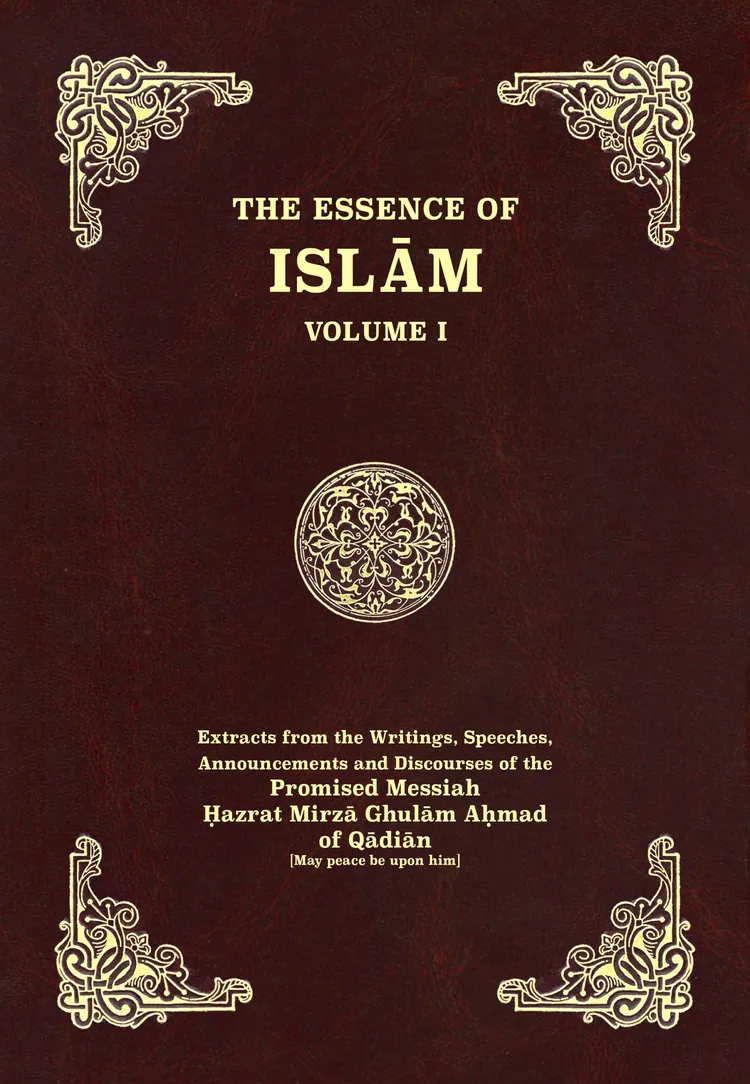
In this discourse from Essence of Islam (Volume 2), Hazrat Mirza Ghulam Ahmad (AS), the Promised Messiah and Mahdi, expounds upon Man Will Have Nothing but What He Strives For, presenting profound spiritual insights and scriptural verities.
Book Series: Essence of Islam (Volume 2)
Author: Hazrat Mirza Ghulam Ahmad of Qadian (AS)
Section: Part 10: Divine Decree and Determination
Navigation: Book Table of Contents | « Previous: Two Aspects of Prayer | Next: God Does Not Condemn People Without Cause »
is that when a person does evil its effect is manifested by God Almighty on his heart and his countenance. The same is the meaning of the verse: 123
that is to say, when they turned away from the truth God Almighty turned their hearts away from being in accord with the truth and in the end, in consequence of their hostility, a change was brought about in them and they were so corrupted that the poison of their hostility overwhelmed their natural light.
[Kitab-ul-Bariyyah, Ruhani Khaza’in, vol. 13, pp. 47-48]
[Essence of Islam, Vol. 2, p. 340]
You have raised the objection that the Holy Qur’an shows that man acts under compulsion and is given no choice. You seem to have overlooked the verses which clearly indicate man’s choice and his acquisition of good or evil; for instance:
وَأَن لَّيۡسَ لِلۡإِنسَٰنِ إِلَّا مَا سَعَىٰ
“And that man will have nothing but what he strives for;” (Surah Al-Najm, 53:40)
This means that Man will have nothing but that which he strives for and striving is necessary for earning a reward. Then is it said:
وَلَوۡ يُؤَاخِذُ ٱللَّهُ ٱلنَّاسَ بِمَا كَسَبُواْ مَا تَرَكَ عَلَىٰ ظَهۡرِهَا مِن دَآبَّةٖ وَلَٰكِن يُؤَخِّرُهُمۡ إِلَىٰٓ أَجَلٖ مُّسَمّٗى ۖ فَإِذَا جَآءَ أَجَلُهُمۡ فَإِنَّ ٱللَّهَ كَانَ بِعِبَادِهِۦ بَصِيرَۢا
“And if Allah were to punish people for what they do, He would not leave a living creature on the surface of the earth; but He grants them respite until an appointed term; and when their appointed time comes, then they will know that Allah has all His servants under His eyes.” (Surah Fatir, 35:46)
meaning that if God were to punish people for all that they do by their free choice no living creature would be left on the earth. Again it is said:
لَا يُكَلِّفُ ٱللَّهُ نَفۡسًا إِلَّا وُسۡعَهَا ۚ لَهَا مَا كَسَبَتۡ وَعَلَيۡهَا مَا ٱكۡتَسَبَتۡ ۗ رَبَّنَا لَا تُؤَاخِذۡنَآ إِن نَّسِينَآ أَوۡ أَخۡطَأۡنَا ۚ رَبَّنَا وَلَا تَحۡمِلۡ عَلَيۡنَآ إِصۡرٗا كَمَا حَمَلۡتَهُۥ عَلَى ٱلَّذِينَ مِن قَبۡلِنَا ۚ رَبَّنَا وَلَا تُحَمِّلۡنَا مَا لَا طَاقَةَ لَنَا بِهِۦ ۖ وَٱعۡفُ عَنَّا وَٱغۡفِرۡ لَنَا وَٱرۡحَمۡنَآ ۚ أَنتَ مَوۡلَىٰنَا فَٱنصُرۡنَا عَلَى ٱلۡقَوۡمِ ٱلۡكَٰفِرِينَ
“Allah burdens not any soul beyond its capacity. It shall have the reward it earns, and it shall get the punishment it incurs. Our Lord, do not punish us, if we forget or fall into error; and our Lord, lay not on us a responsibility as Thou didst lay upon those before us. Our Lord, burden us not with what we have not the strength to bear; and efface our sins, and grant us forgiveness and have mercy on us; Thou art our Master; so help us Thou against the disbelieving people.” (Surah Al-Baqarah, 2:287)
Each one shall have the benefit of the good he does and shall suffer the consequences of the ill he works. It is also said:
مَّنۡ عَمِلَ صَٰلِحٗا فَلِنَفۡسِهِۦ ۖ وَمَنۡ أَسَآءَ فَعَلَيۡهَا ۗ وَمَا رَبُّكَ بِظَلَّـٰمٖ لِّلۡعَبِيدِ
“Whoso does right, it is for his own soul; and whoso does evil, it will only go against it. And thy Lord is not at all unjust to His servants.” (Surah Ha Mim Sajdah, 41:47)
Whoso acts righteously, it is for the good of his own self and whoso does evil bears the burden thereof. Again it is said:
فَكَيۡفَ إِذَآ أَصَٰبَتۡهُم مُّصِيبَةُۢ بِمَا قَدَّمَتۡ أَيۡدِيهِمۡ ثُمَّ جَآءُوكَ يَحۡلِفُونَ بِٱللَّهِ إِنۡ أَرَدۡنَآ إِلَّآ إِحۡسَٰنٗا وَتَوۡفِيقًا
“Then how is it that when an affliction befalls them because of what their hands have sent on before them, they come to thee swearing by Allah, saying, ‘We meant nothing but the doing of good and reconciliation?’” (Surah Al-Nisa’, 4:63)
How will it be when they are afflicted with a misfortune on account of that which their hands had wrought aforetime. All these verses show that man has choice in his actions. In this connection Mr. ‘Abdullah Atham has set forth the verse: 129
and argues from it that this proves compulsion. He is under a misunderstanding. In this verse the word Amr means administration and governance. This verse sets forth the thinking of those who had said: Had we any share in matters of governance, we would have so planned that the trouble that was encountered in the battle of Uhud would have been avoided. In reply to them God Almighty said:
129 ‘They say: Is there for us any part in the government of affairs?’—Al-e-‘Imran, 3:155 [Publisher]
ثُمَّ أَنزَلَ عَلَيۡكُم مِّنۢ بَعۡدِ ٱلۡغَمِّ أَمَنَةٗ نُّعَاسٗا يَغۡشَىٰ طَآئِفَةٗ مِّنكُمۡ ۖ وَطَآئِفَةٞ قَدۡ أَهَمَّتۡهُمۡ أَنفُسُهُمۡ يَظُنُّونَ بِٱللَّهِ غَيۡرَ ٱلۡحَقِّ ظَنَّ ٱلۡجَٰهِلِيَّةِ ۖ يَقُولُونَ هَل لَّنَا مِنَ ٱلۡأَمۡرِ مِن شَيۡءٖ ۗ قُلۡ إِنَّ ٱلۡأَمۡرَ كُلَّهُۥ لِلَّهِ ۗ يُخۡفُونَ فِيٓ أَنفُسِهِم مَّا لَا يُبۡدُونَ لَكَ ۖ يَقُولُونَ لَوۡ كَانَ لَنَا مِنَ ٱلۡأَمۡرِ شَيۡءٞ مَّا قُتِلۡنَا هَٰهُنَا ۗ قُل لَّوۡ كُنتُمۡ فِي بُيُوتِكُمۡ لَبَرَزَ ٱلَّذِينَ كُتِبَ عَلَيۡهِمُ ٱلۡقَتۡلُ إِلَىٰ مَضَاجِعِهِمۡ ۖ وَلِيَبۡتَلِيَ ٱللَّهُ مَا فِي صُدُورِكُمۡ وَلِيُمَحِّصَ مَا فِي قُلُوبِكُمۡ ۚ وَٱللَّهُ عَلِيمُۢ بِذَاتِ ٱلصُّدُورِ
“Then, after the sorrow, He sent down peace on you — a slumber that overcame a party of you — while the other party was anxious concerning their own selves, thinking wrongly of Allah like unto the thought of ignorance. They said, ‘Is there for us any part in the government of affairs?’ Say, ‘All government belongs to Allah.’ They hide in their minds what they disclose not to thee. They say, ‘If we had any part in the government of affairs, we should not have been killed here.’ Say, ‘If you had remained in your homes, surely those on whom fighting had been enjoined would have gone forth to their deathbeds,’ that Allah might bring about His decree and that Allah might test what was in your breasts and that He might purge what was in your hearts. And Allah knows well what is in the minds;” (Surah Al-e-‘Imran, 3:155)
Tell them all governance belongs to Allah. They were admonished to obey the Holy Prophet (peace and blessings of Allah be on him) in all circumstances. This verse has nothing to do with choice or compulsion. The reference is to the thinking of some persons that if they had been consulted they would have proposed something different. God Almighty admonished them that the matter was not one for consultation but was a Divine commandment. It should be clearly understood that Taqdir means only the determination of a measure; as Allah the Glorious says:
ٱلَّذِي لَهُۥ مُلۡكُ ٱلسَّمَٰوَٰتِ وَٱلۡأَرۡضِ وَلَمۡ يَتَّخِذۡ وَلَدٗا وَلَمۡ يَكُن لَّهُۥ شَرِيكٞ فِي ٱلۡمُلۡكِ وَخَلَقَ كُلَّ شَيۡءٖ فَقَدَّرَهُۥ تَقۡدِيرٗا
“He to Whom belongs the kingdom of the heavens and the earth. And He has taken unto Himself no son, and has no partner in the kingdom, and has created everything, and has ordained for it its proper measure.” (Surah Al-Furqan, 25:3)
He has created everything and has determined its measure. This does not show that man has been deprived of choice. Indeed choice is a part of that measure. God Almighty having taken the measure of human nature and human capacity called it Taqdir, and as part of it He determined up to what degree man would have choice in his actions. It is a great mistake to interpret Taqdir as meaning that man is under compulsion not to take advantage of the faculties bestowed upon him by God. This might be illustrated by drawing attention to the mechanism of a watch which cannot continue to work beyond the measure determined by its maker. In the same way a human being cannot achieve anything that is
beyond the faculties that are bestowed upon him, nor can he live beyond his allotted span of life.
[Essence of Islam, Vol. 2]
[Essence of Islam, Vol. 2, p. 340]
Book Series: Essence of Islam (Volume 2)
Author: Hazrat Mirza Ghulam Ahmad of Qadian (AS)
Section: Part 10: Divine Decree and Determination
Navigation: Book Table of Contents | « Previous: Two Aspects of Prayer | Next: God Does Not Condemn People Without Cause »