
30+ Usages of Khatam al-Muhaqqiqin | Nightmare for Non-Ahmadis
Introduction
This academic compilation presents 80+ historical usages of Khatam al-Muhaqqiqin, examining the use of Khatam with plural terms denoting rational beings. Drawing on Arabic Islamic sources, translated into English and French for the benefit of readers, it provides textual references and original scans to document the expression’s historical usage.
A question for non-Ahmadis: If Khatam al-Muhaqqiqin means the FINAL or LAST researcher/investigator, how do you reconcile the repeated use of this title for different scholars throughout Islamic history with the continued existence of other Muhaqqiqun?
Note: Each book title is presented as a heading, making it easier to identify the source of each reference.
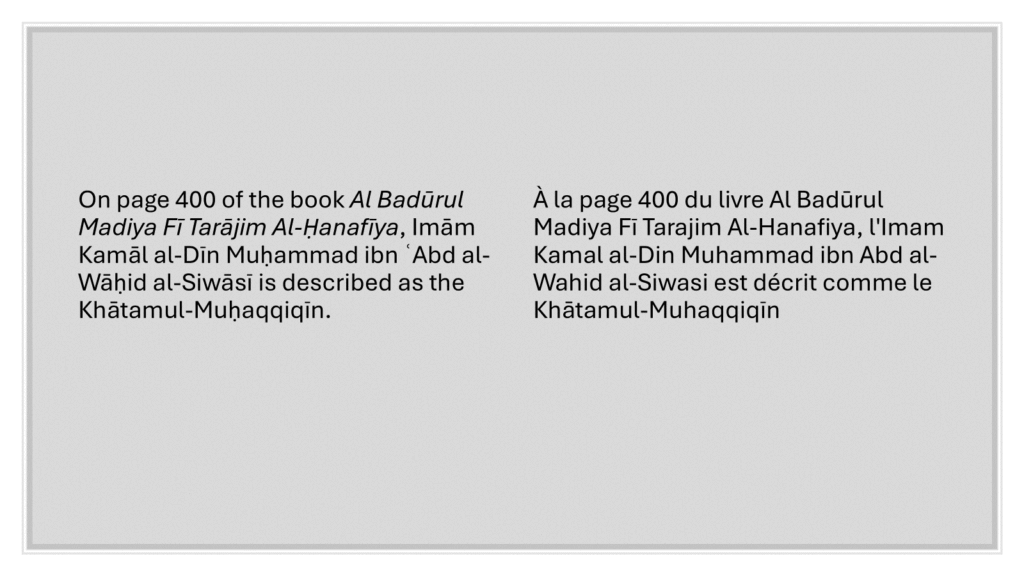
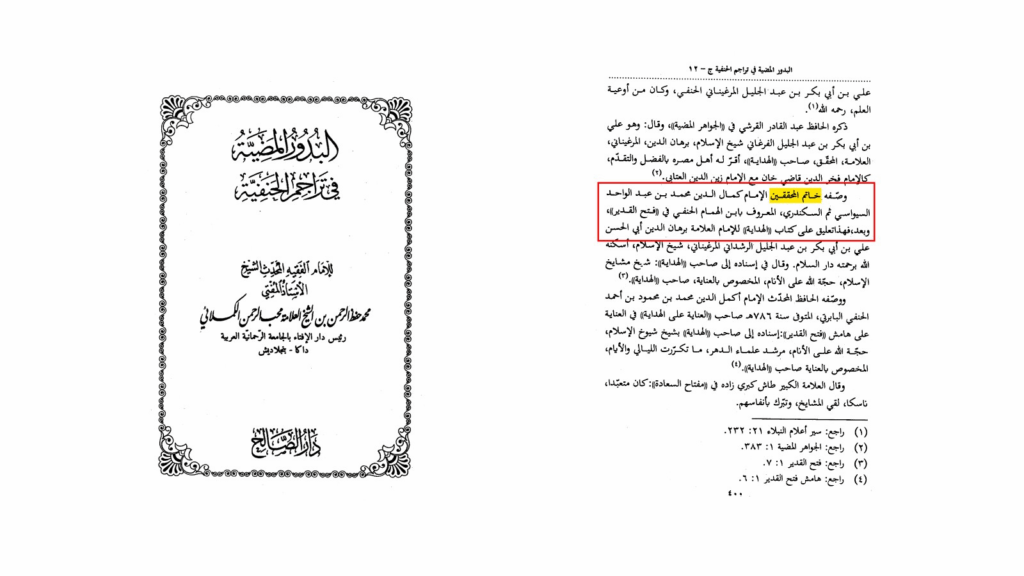
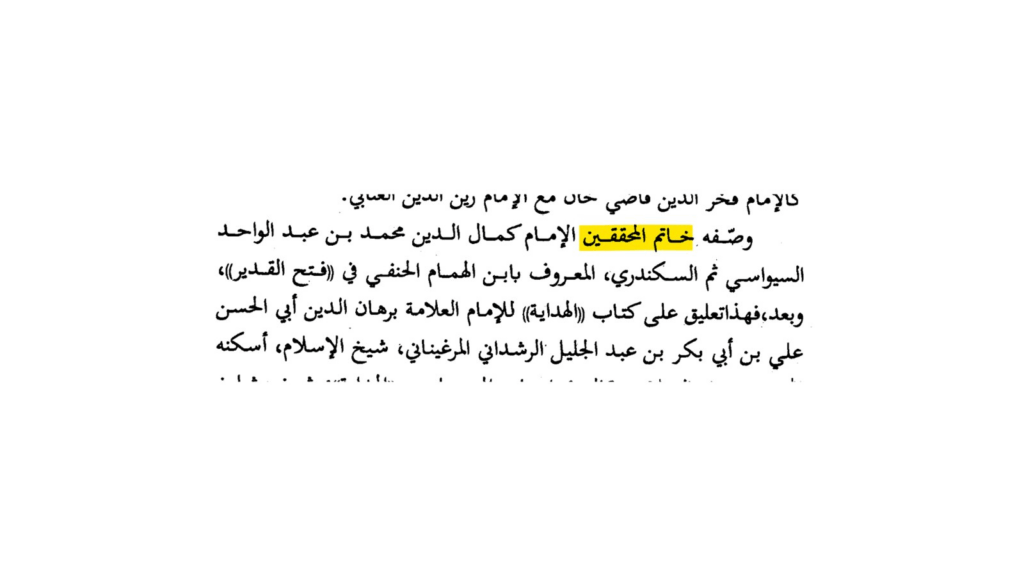
Al-Budur al-Madiya fi Tarajim al-Hanafiyya
Page 400 describes Kamal al-Din Muhammad ibn ʿAbd al-Wahid al-Siwasi as Khatam al-Muhaqqiqin.
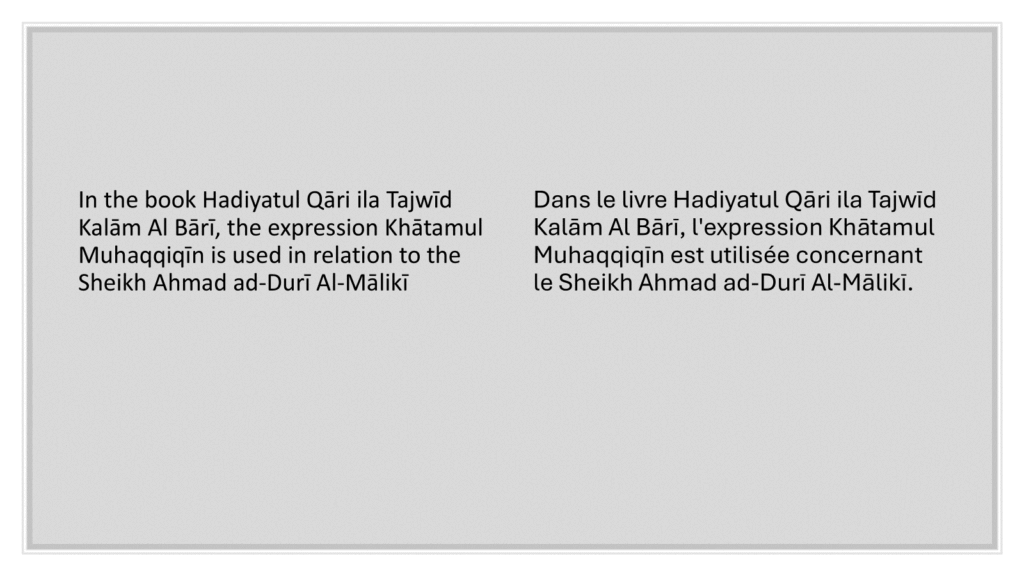
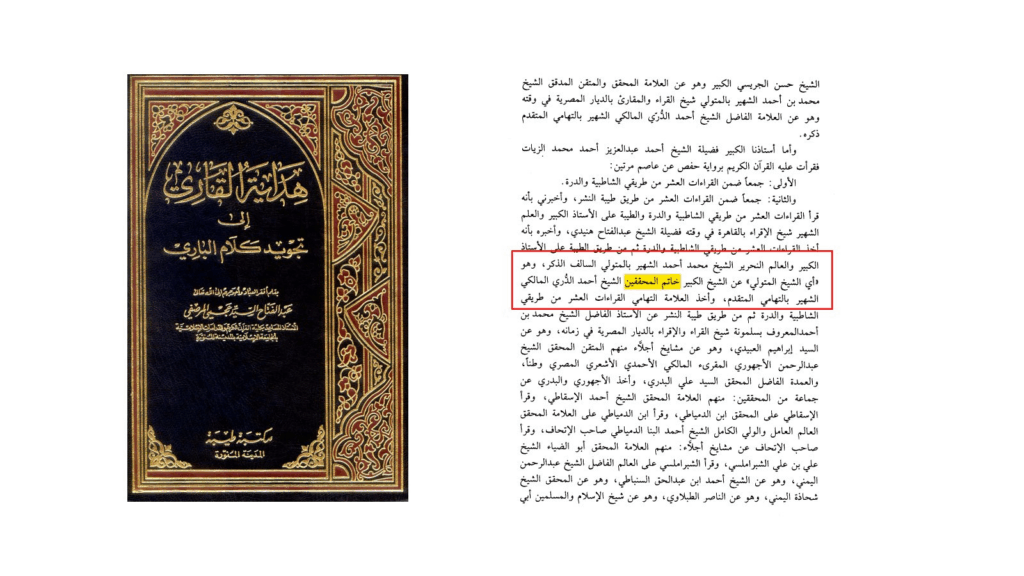
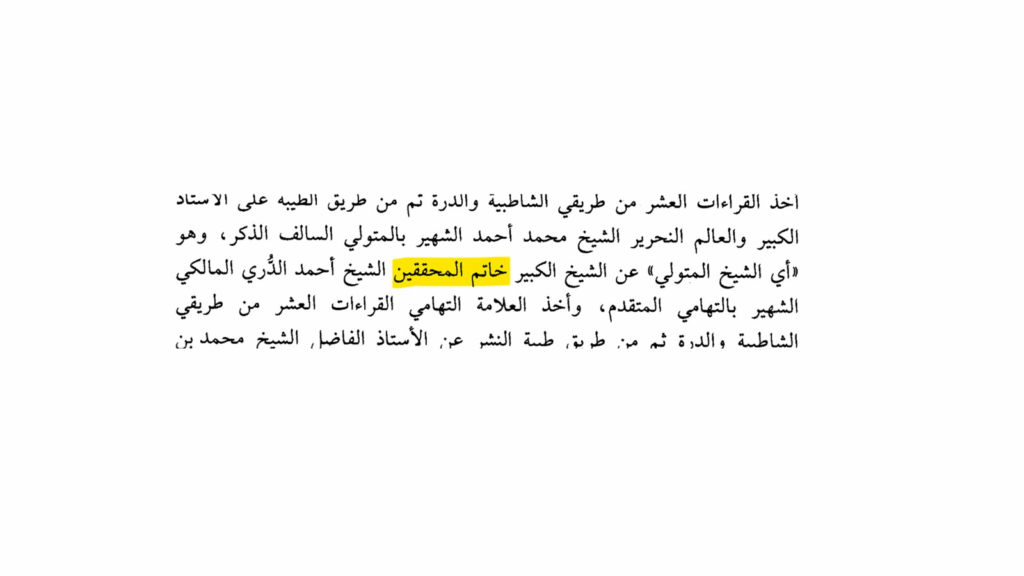
Hadiyatul Qari ila Tajwid Kalam al-Bari
The expression Khatam al-Muhaqqiqin is used in reference to Shaykh Ahmad ad-Duri al-Maliki.
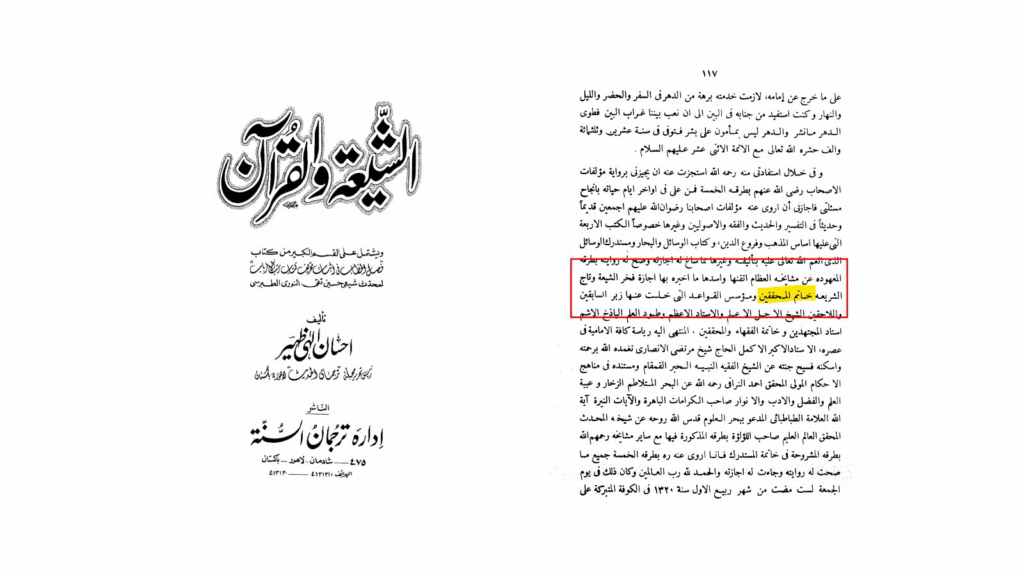
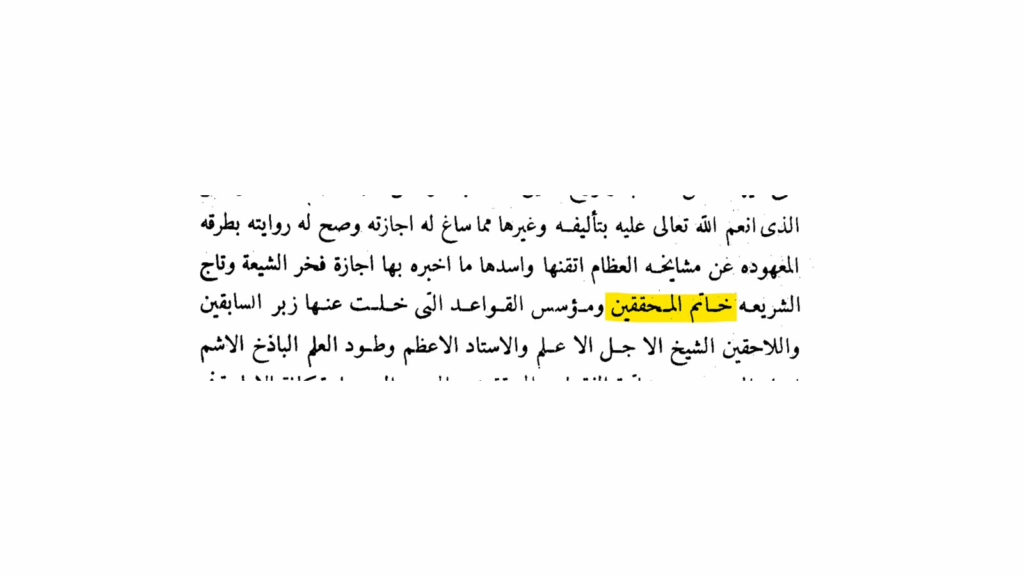
Ash-Shiʿah wal-Qurʾan
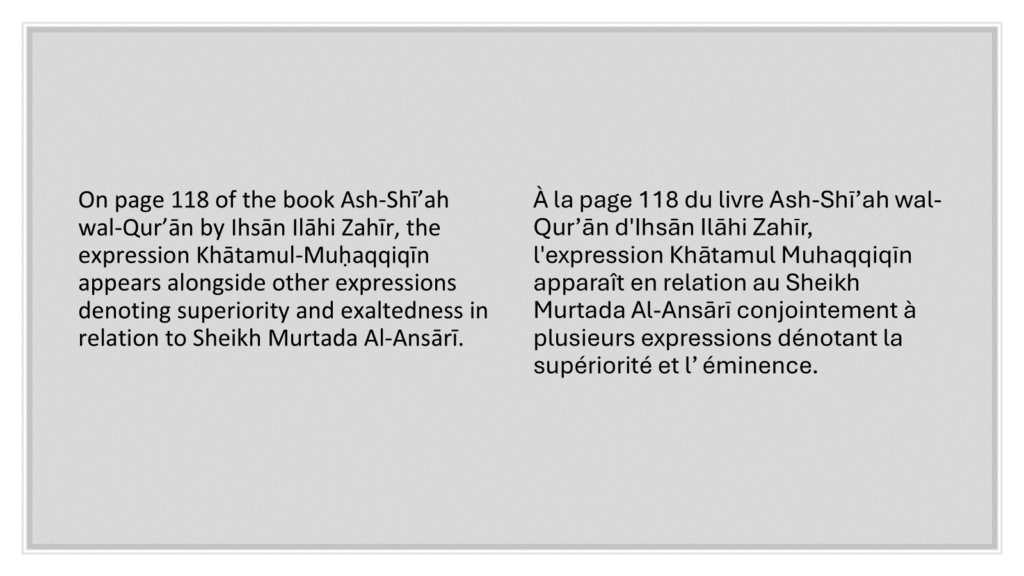
Page 118 associates the expression with Shaykh Murtada al-Ansari, alongside other honorific expressions.
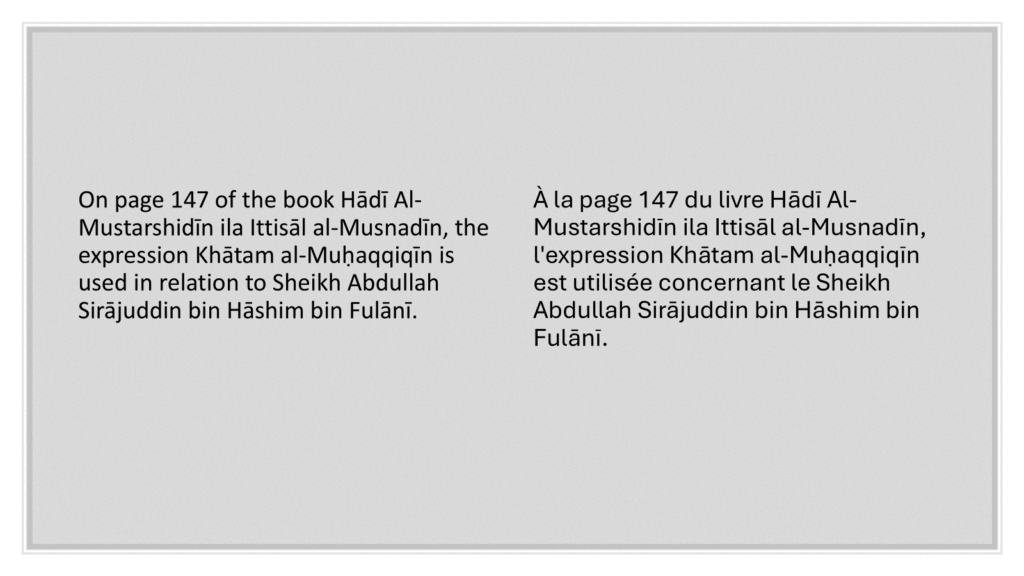
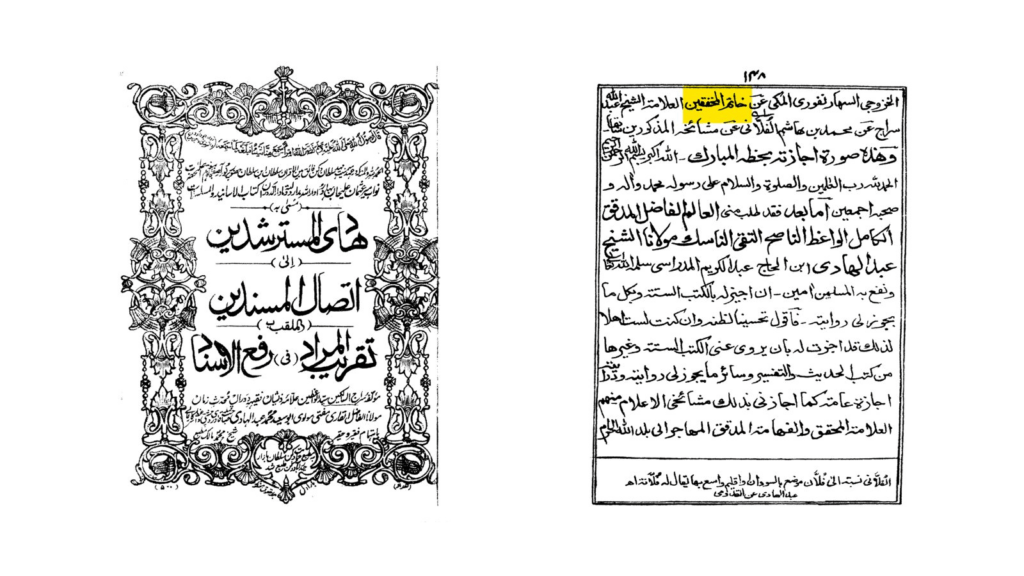
Hadi al-Mustarshidin ila Ittisal al-Musnadin
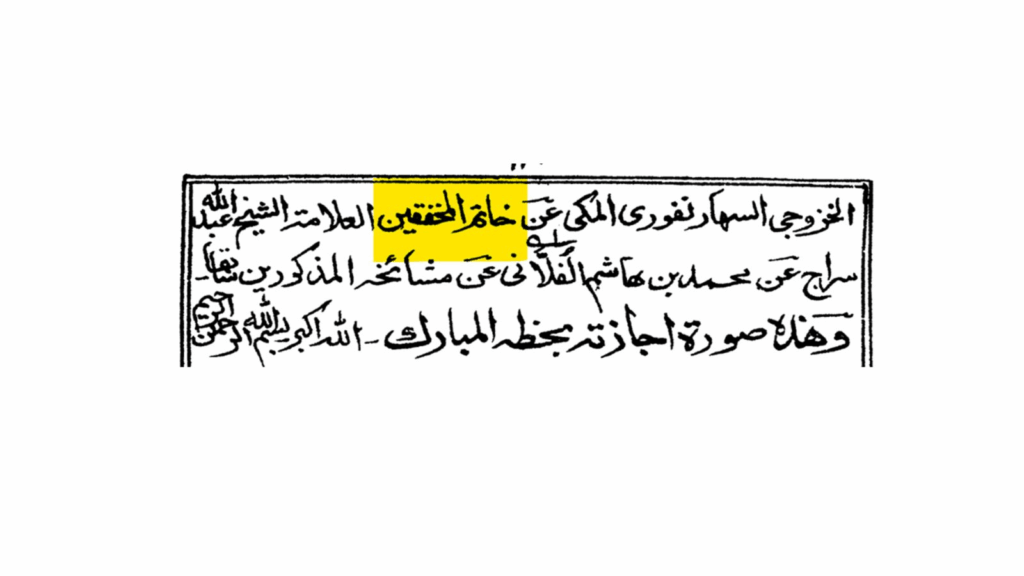
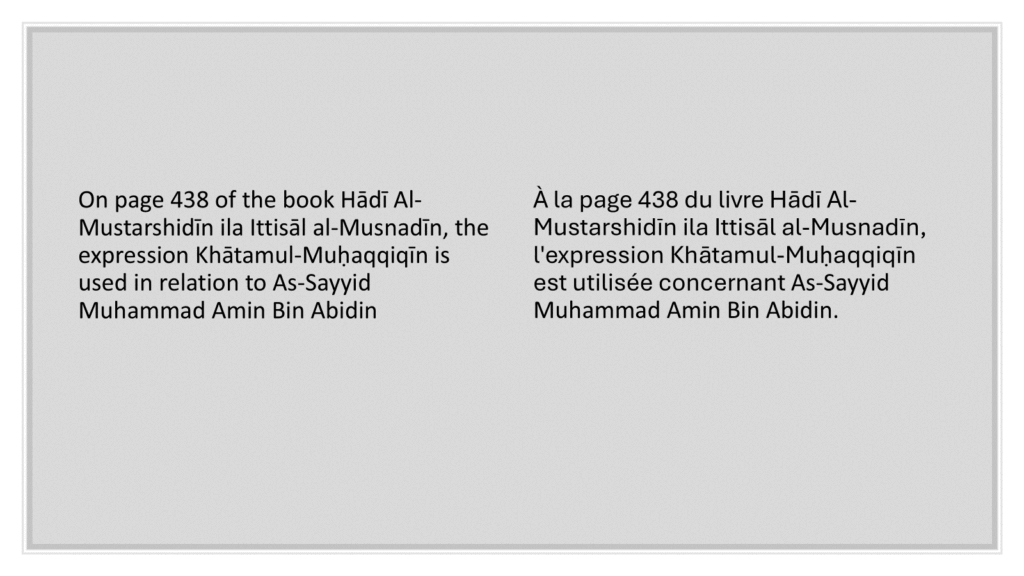
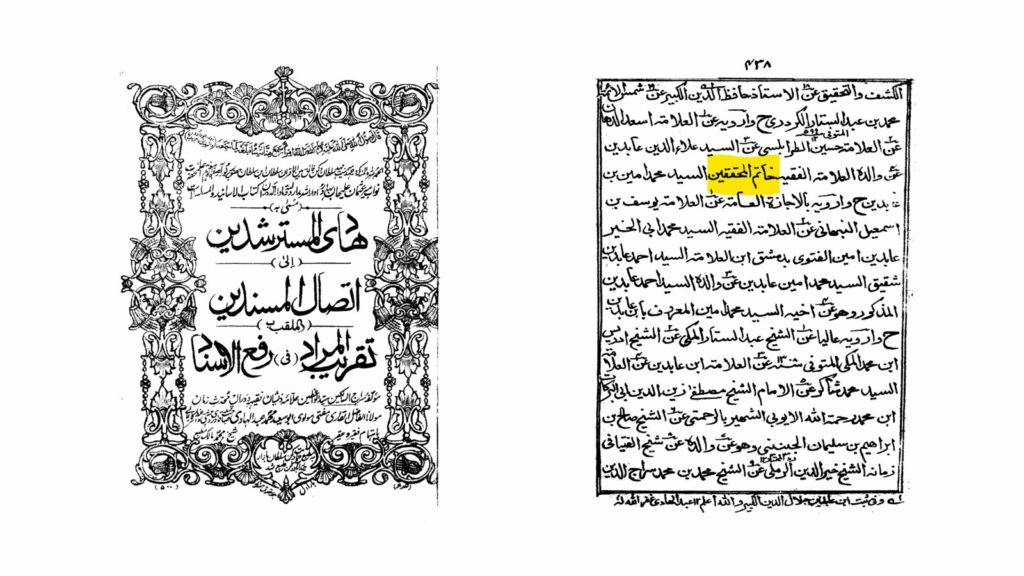
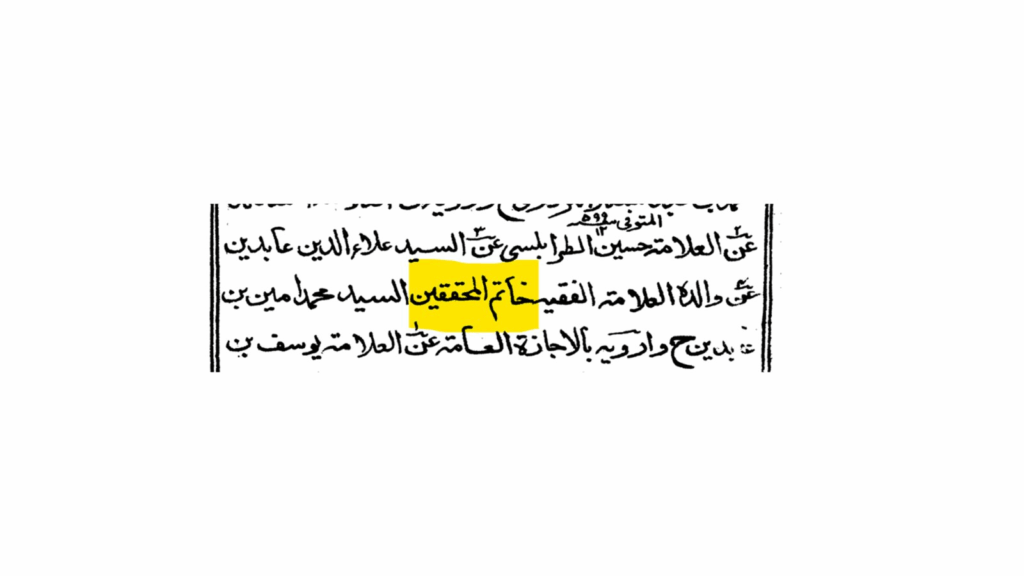
Pages 147 and 438 use the expression in reference to Shaykh Abdullah Sirajuddin ibn Hashim ibn Fulani and As-Sayyid Muhammad Amin ibn Abidin, respectively.
Sheikh Abdullah Sirajuddin ibn Hashim ibn Fulani
As-Sayyid Muhammad Amin ibn Abidin
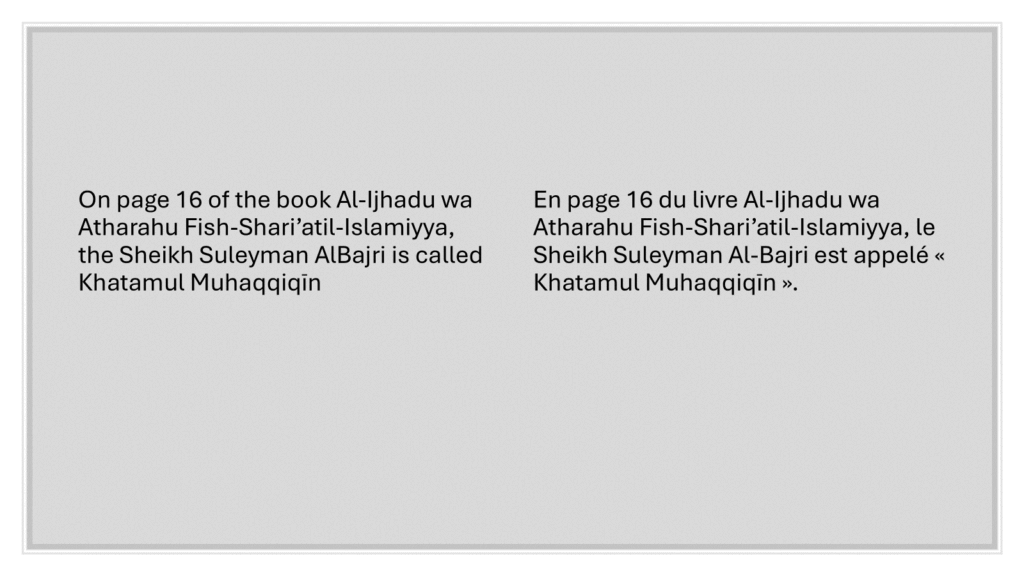
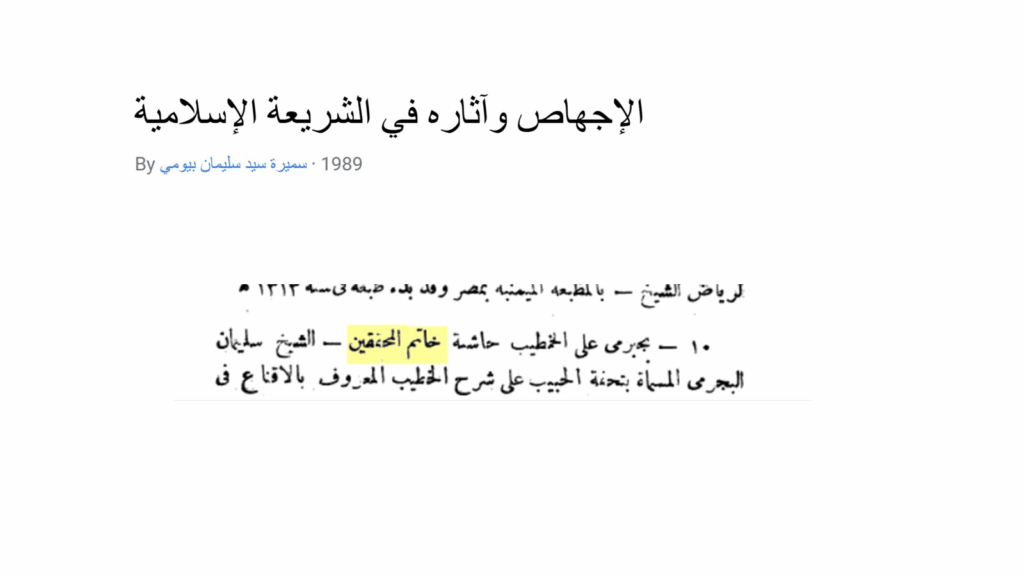
Al-ljhadu wa Atharahu Fish-Shari’atil-Islamiyya,
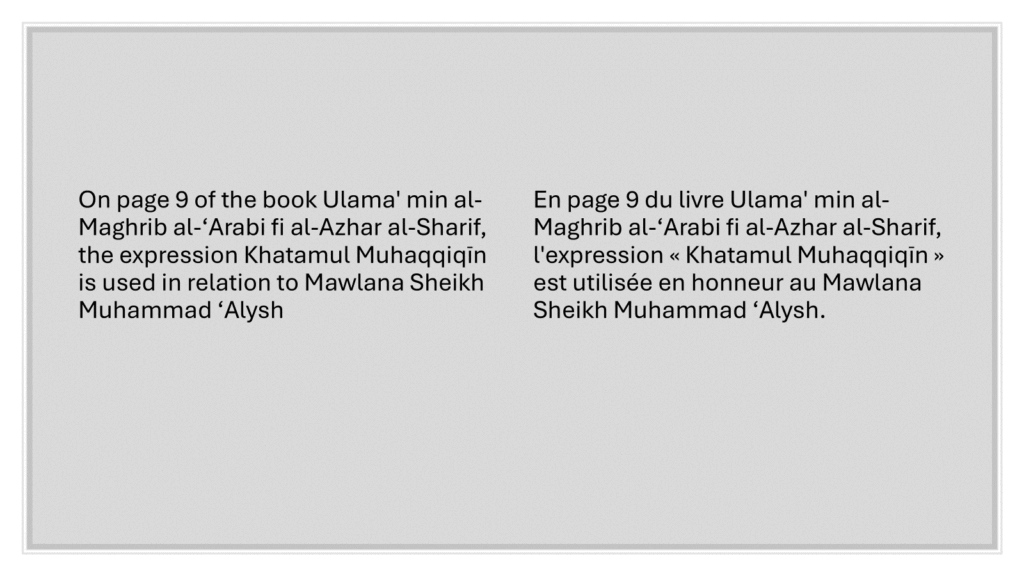
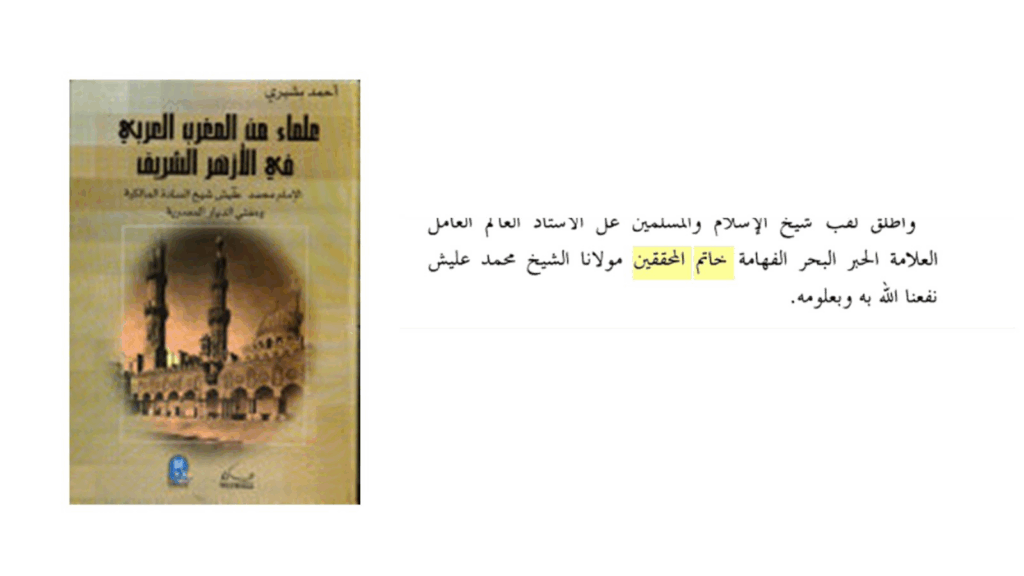
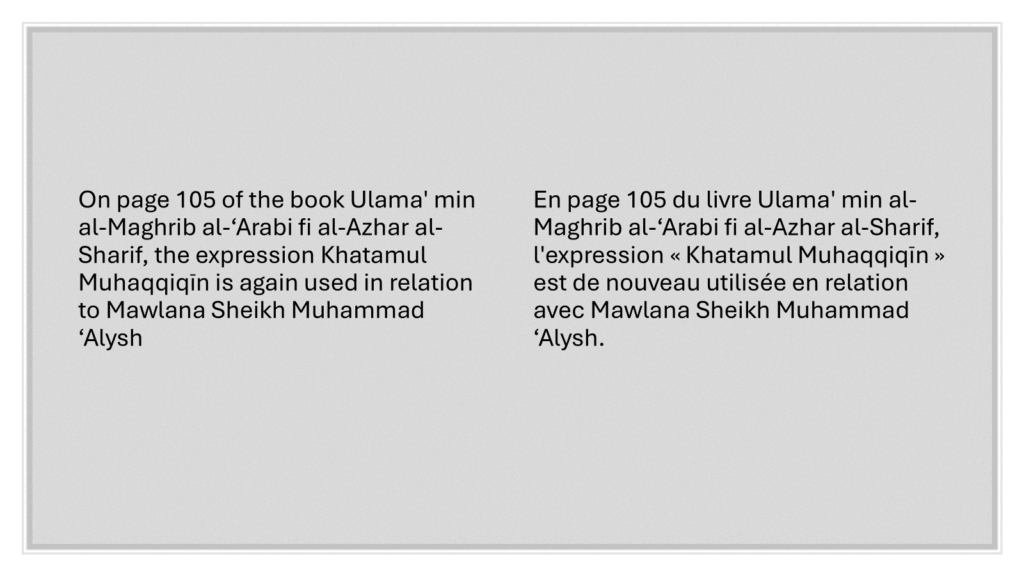
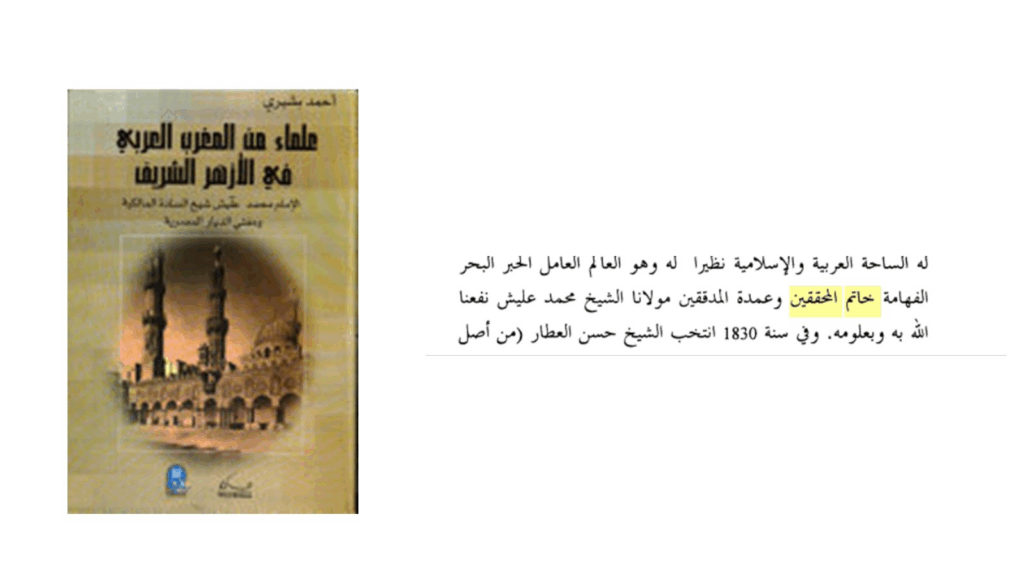
Ulamaʾ min al-Maghrib al-ʿArabi fi al-Azhar al-Sharif
Pages 9 and 105 use the expression in reference to Mawlana Shaykh Muhammad ʿAlaysh.
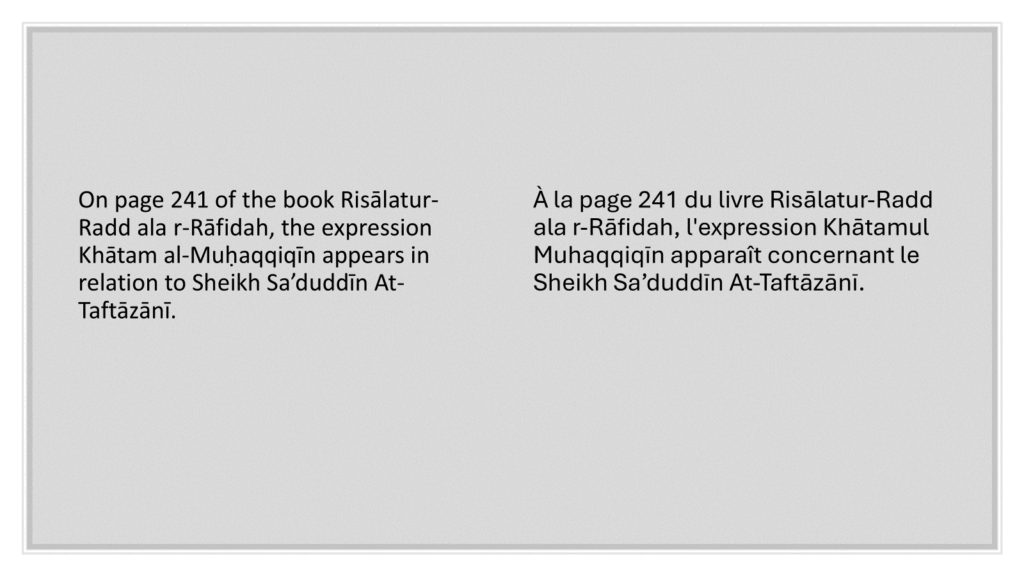
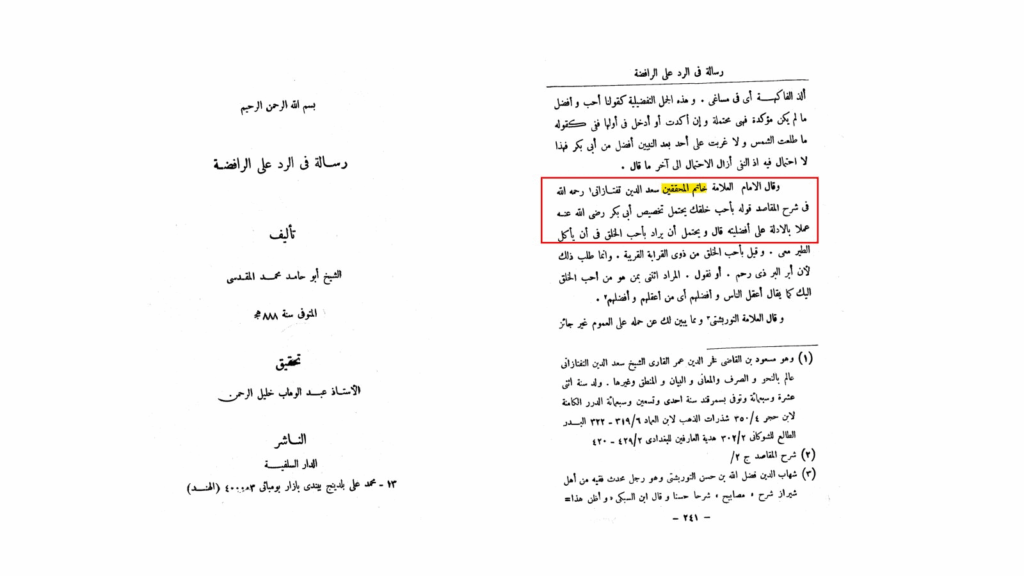
Risälatur-Radd ala r-Rafidah
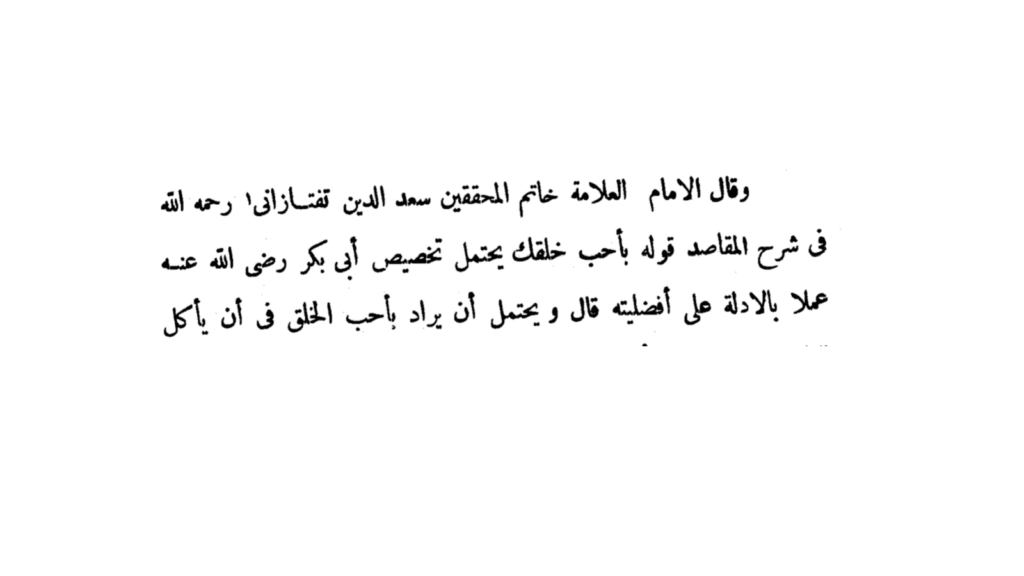
Al-Wadʿ fil-Ḥadīth
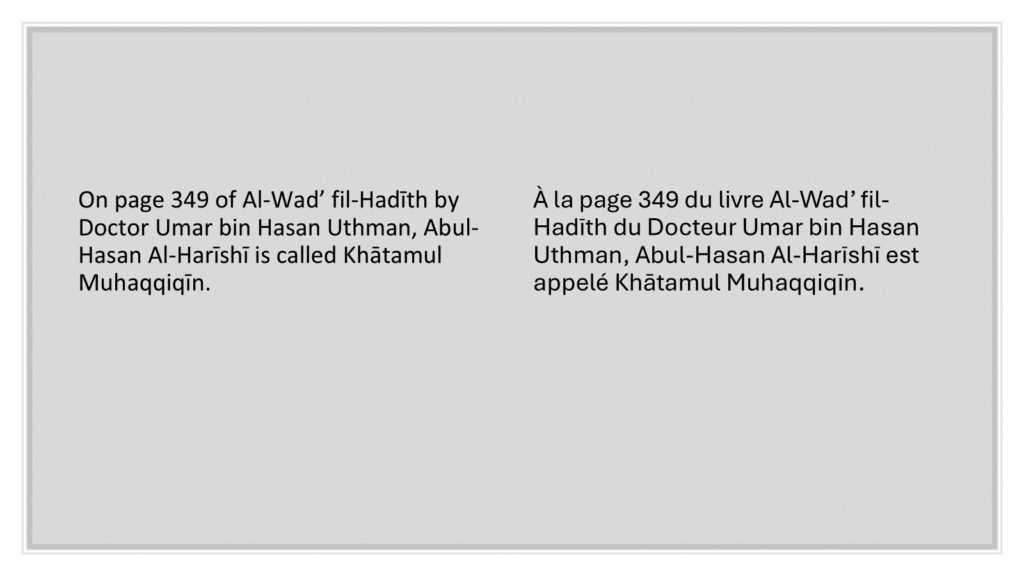
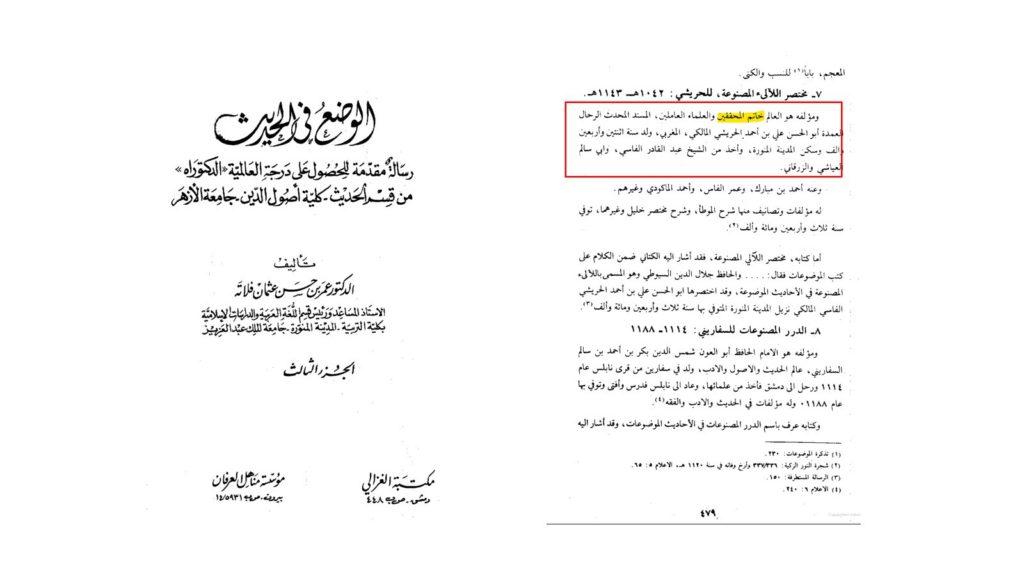
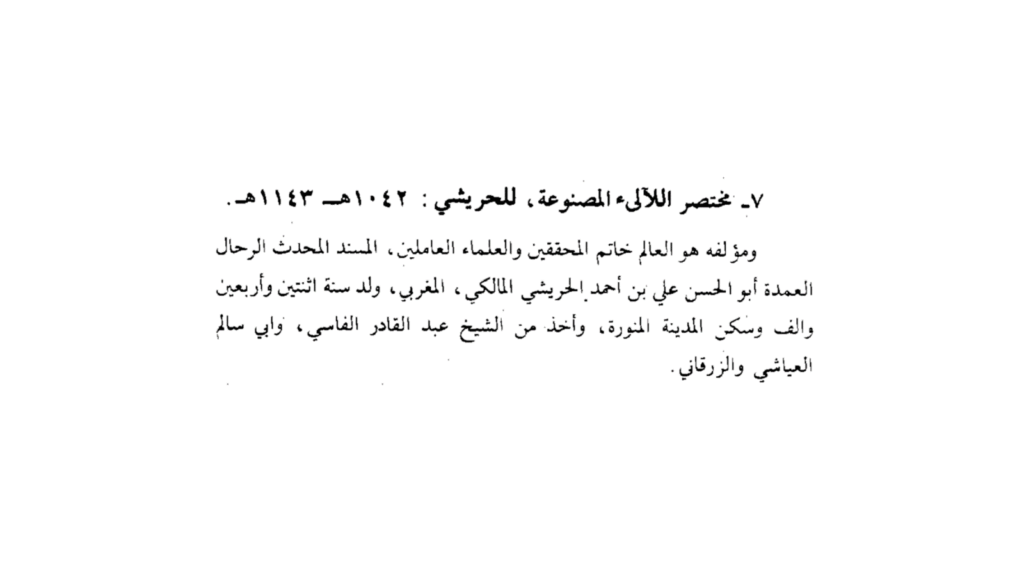
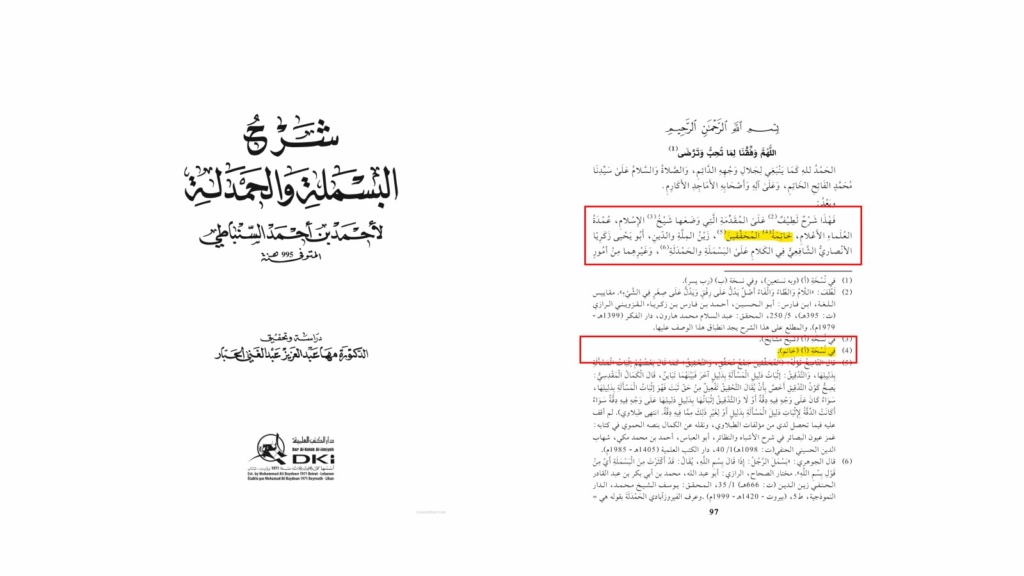
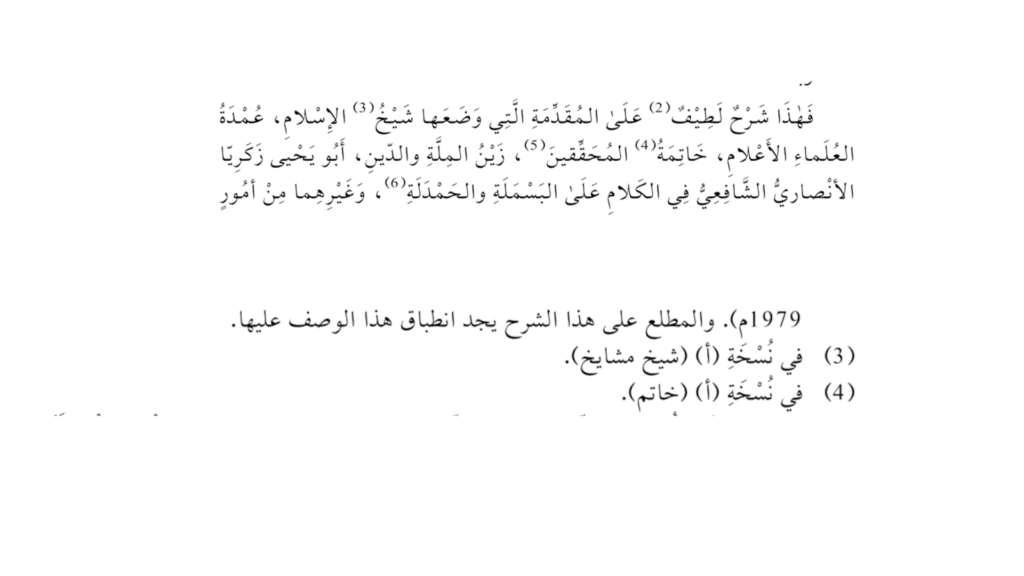
Sharh al-Basmalah wal-Hamdalah
Pages 95 and 97 used the expression in a footnote concerning Zakariyya al-Ansari.
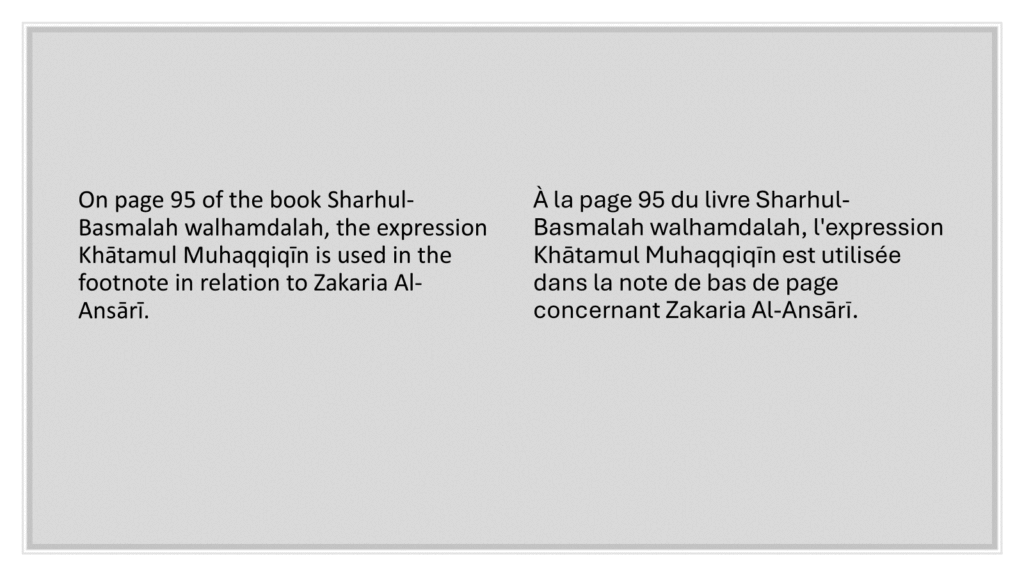
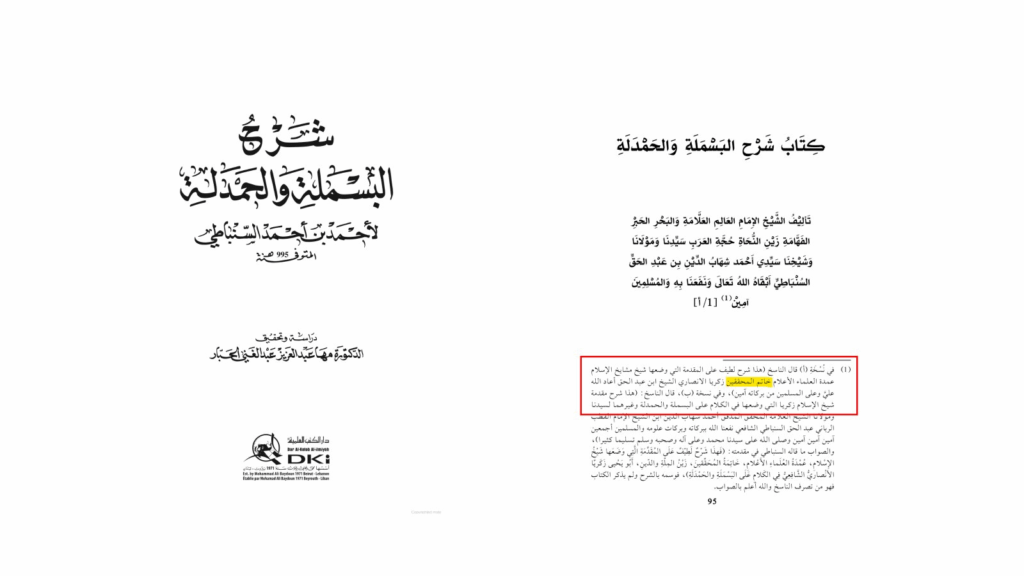
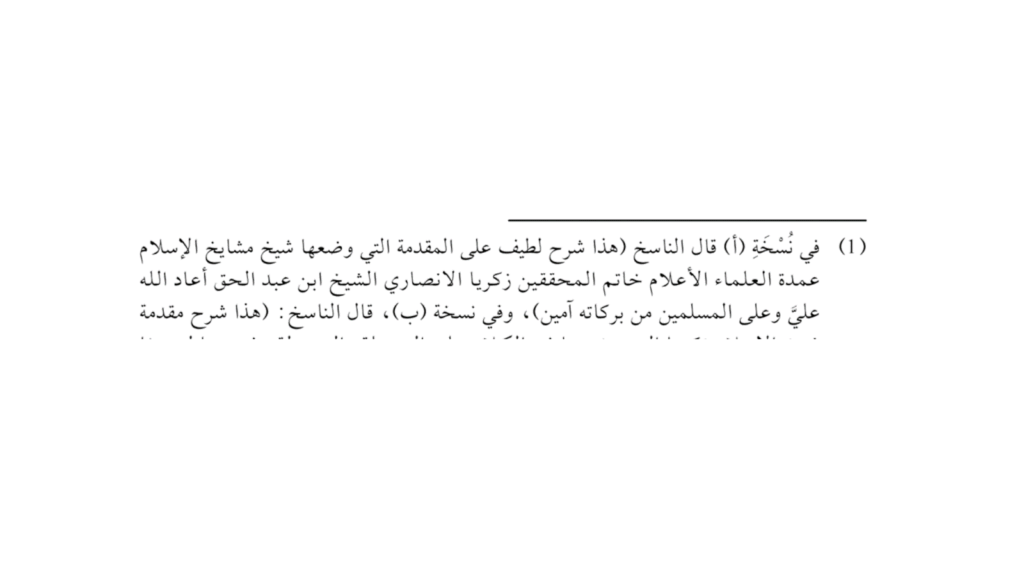
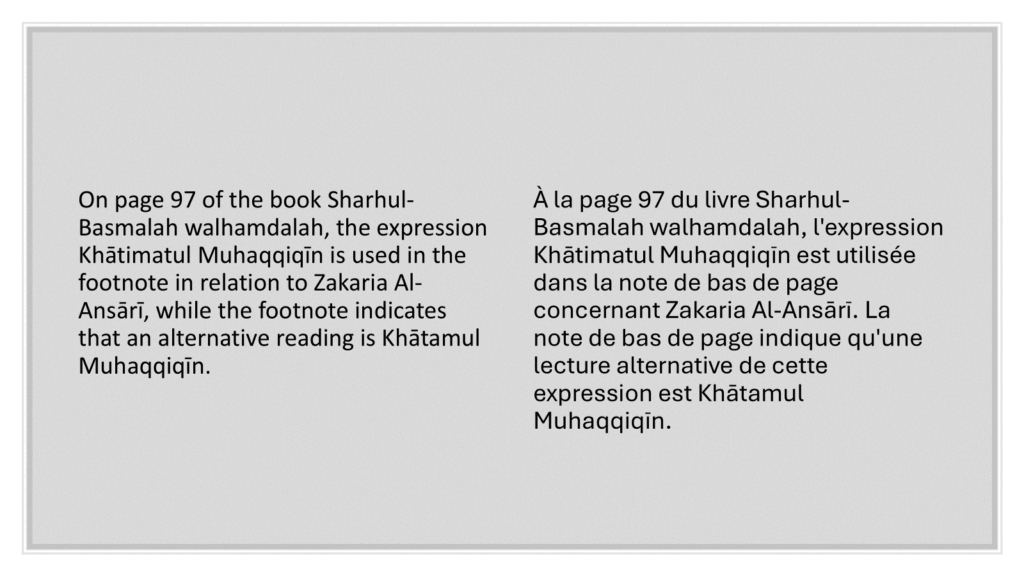
Page 97 uses the feminine form Khatimat al-Muhaqqiqin in a footnote concerning Zakariyya al-Ansari.
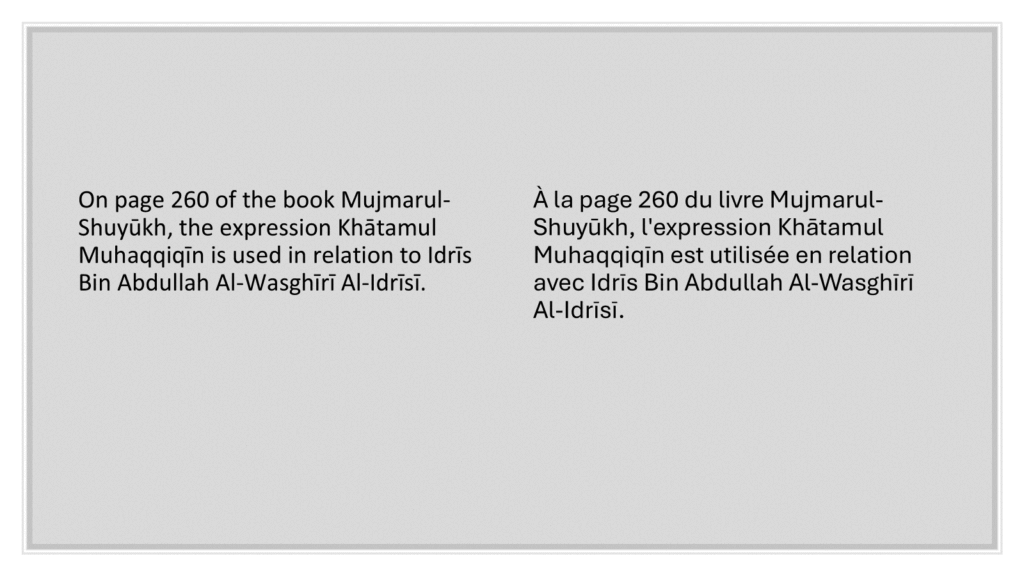
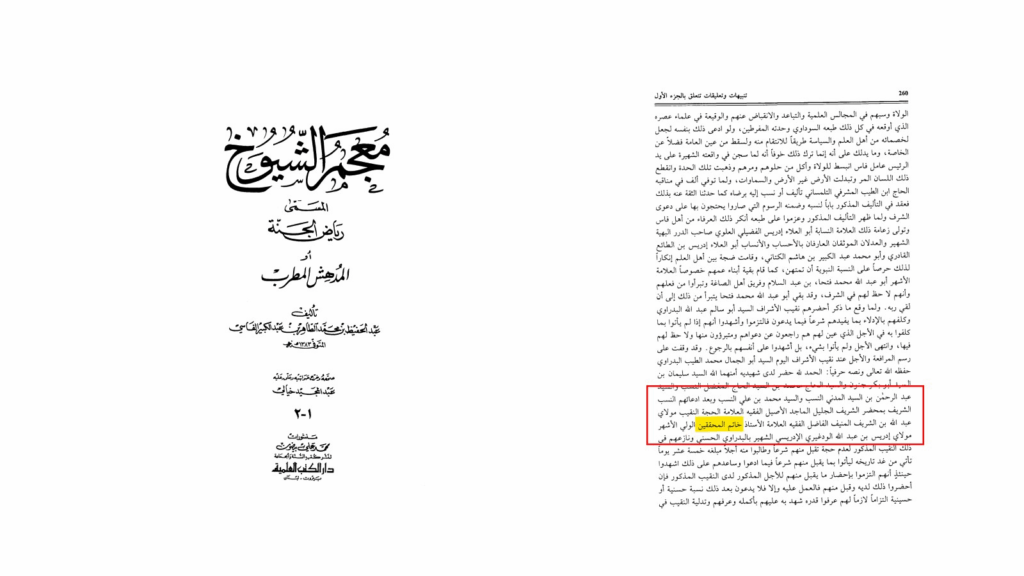
Mujmarul-Shuyūkh
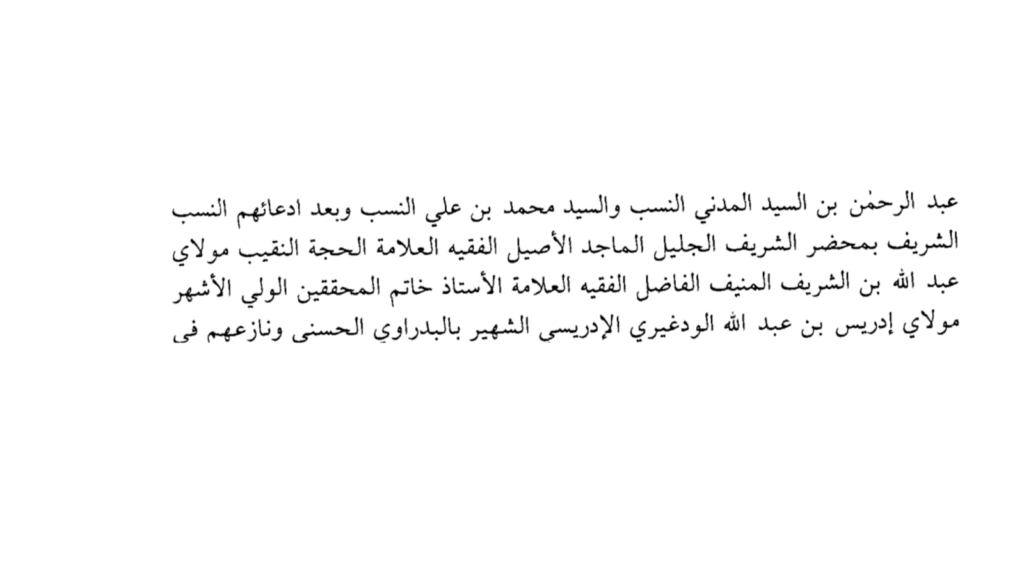
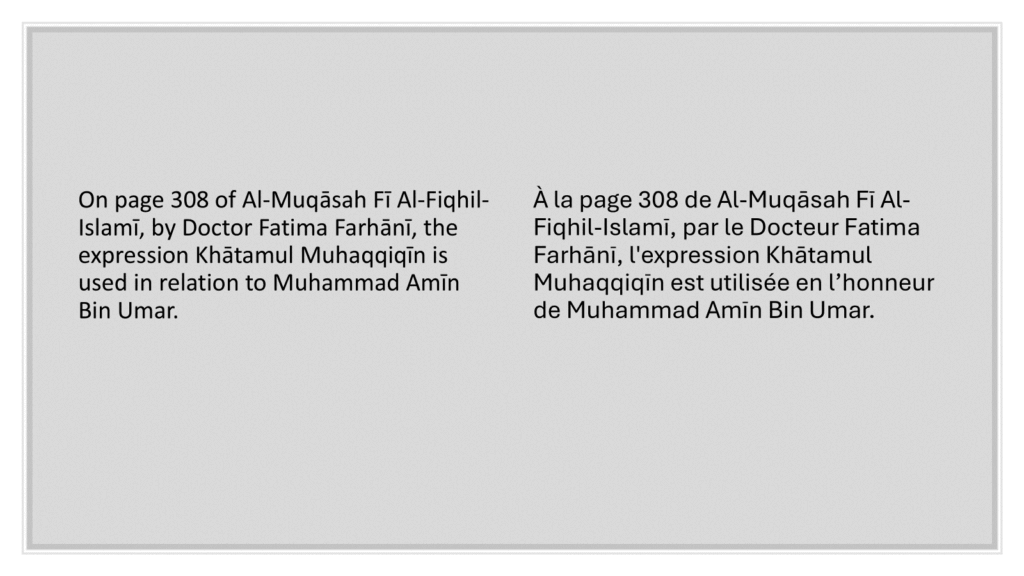
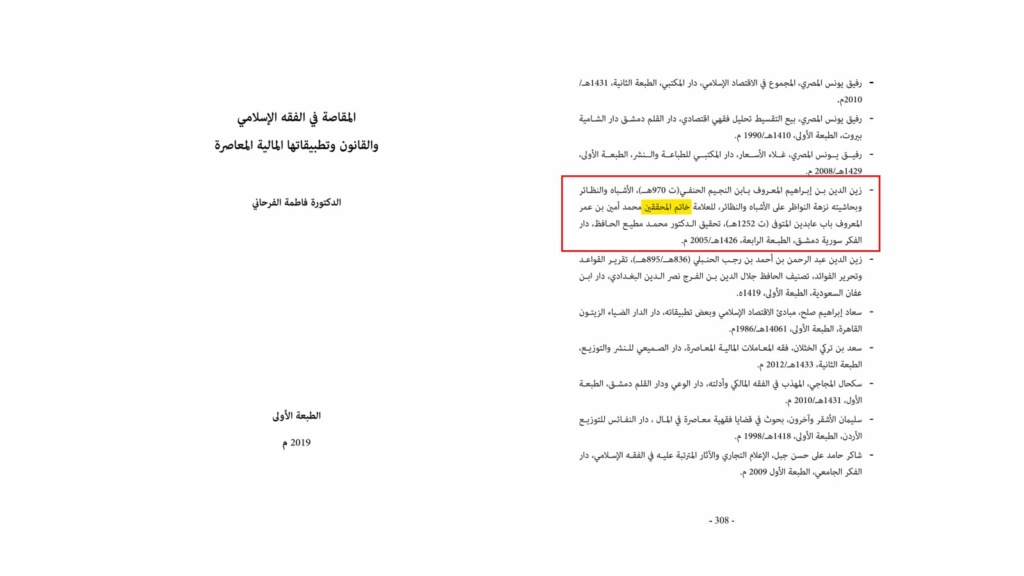
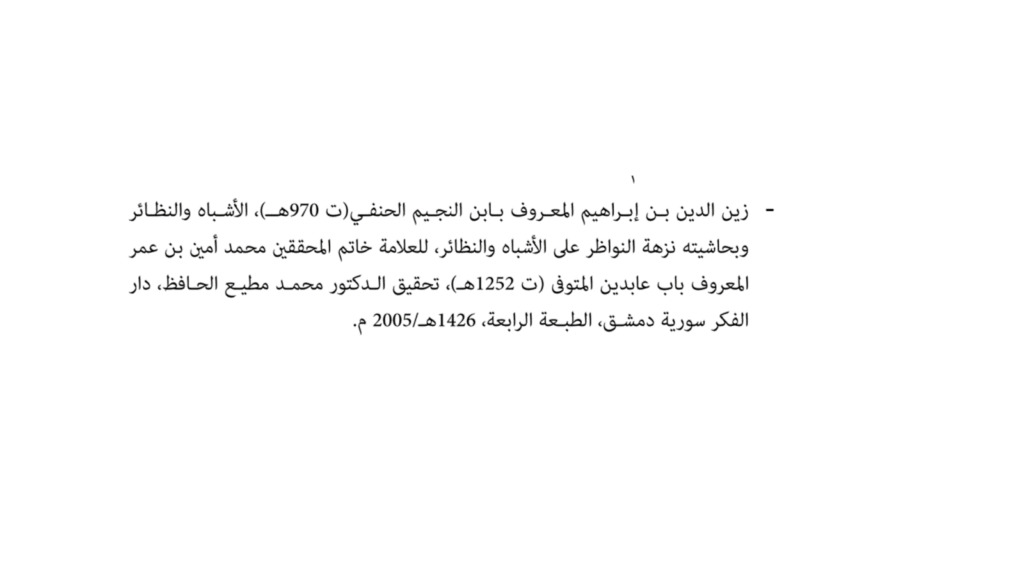
Al-Muqasah Fi Al-Fiqhil-Islami
Al-ʿAfw al-ʿAfiyah fi Sharh al-Kafiyah
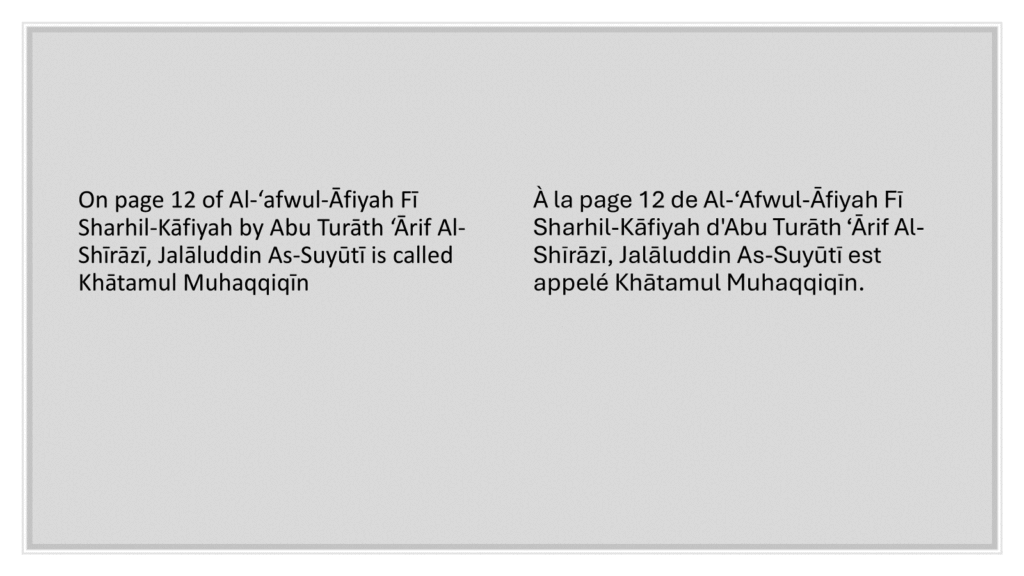
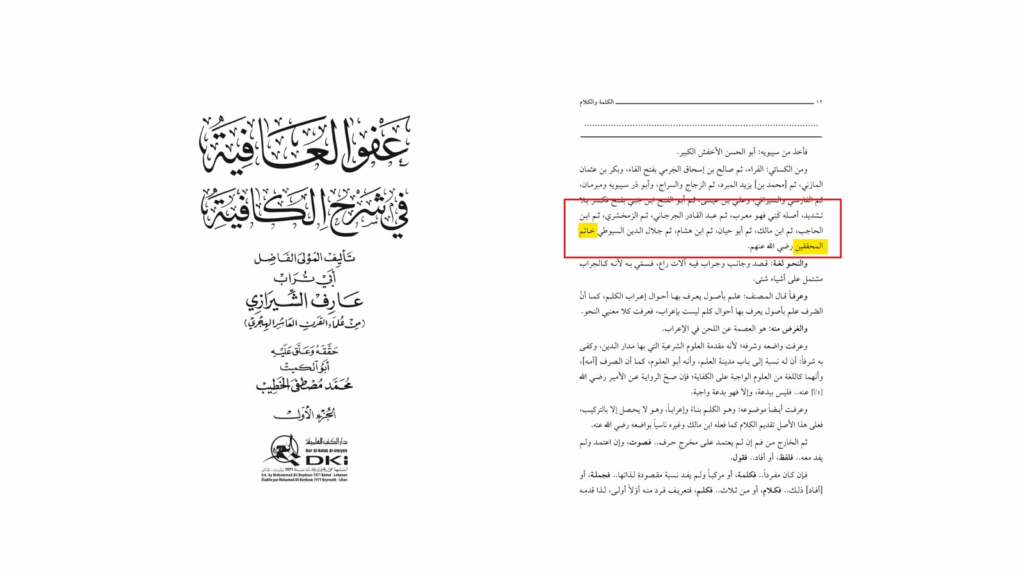
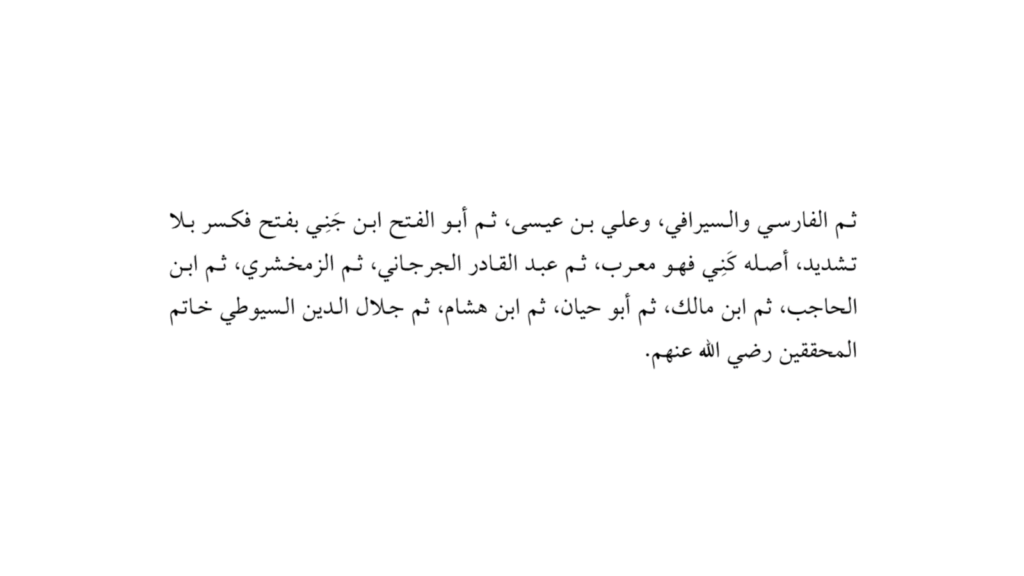
Page 12 calls Jalal al-Din al-Suyuti Khatam al-Muhaqqiqin!
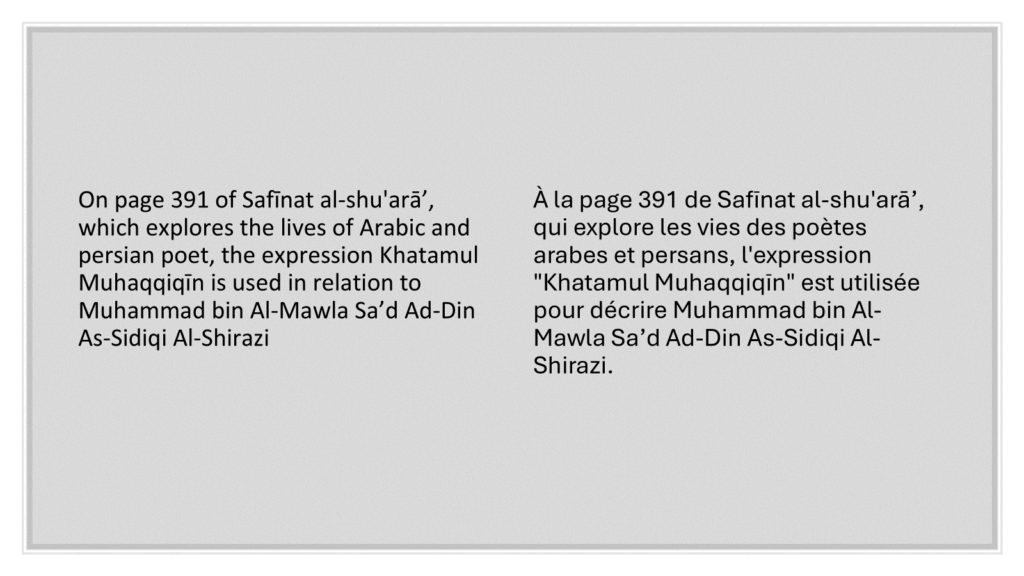
Safinat al-Shuʿaraʾ
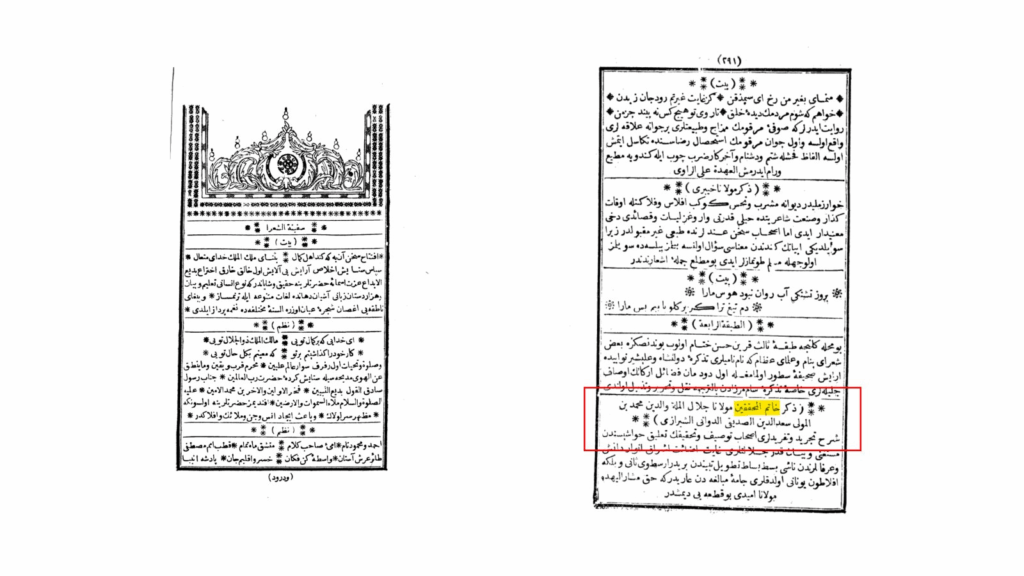
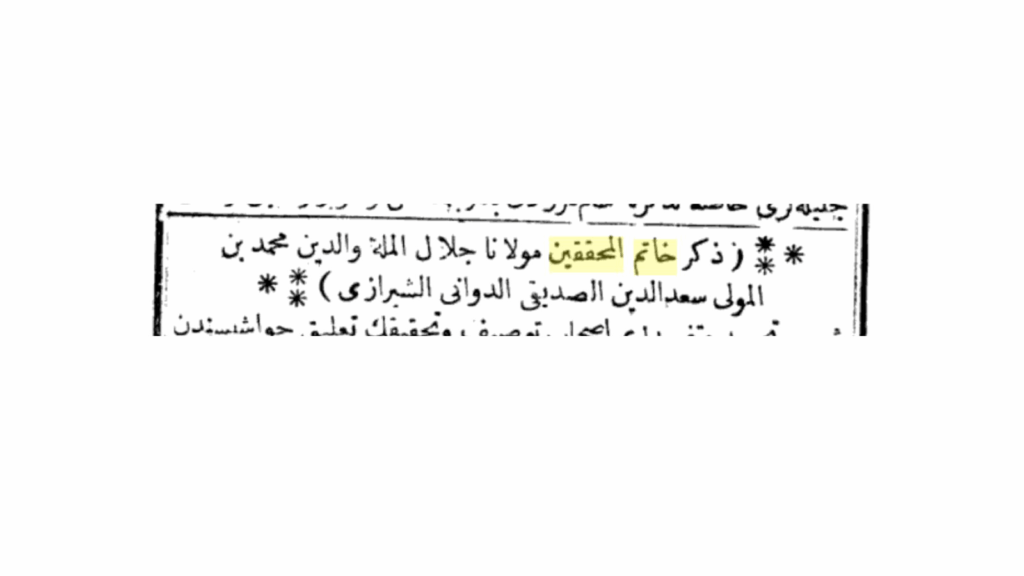
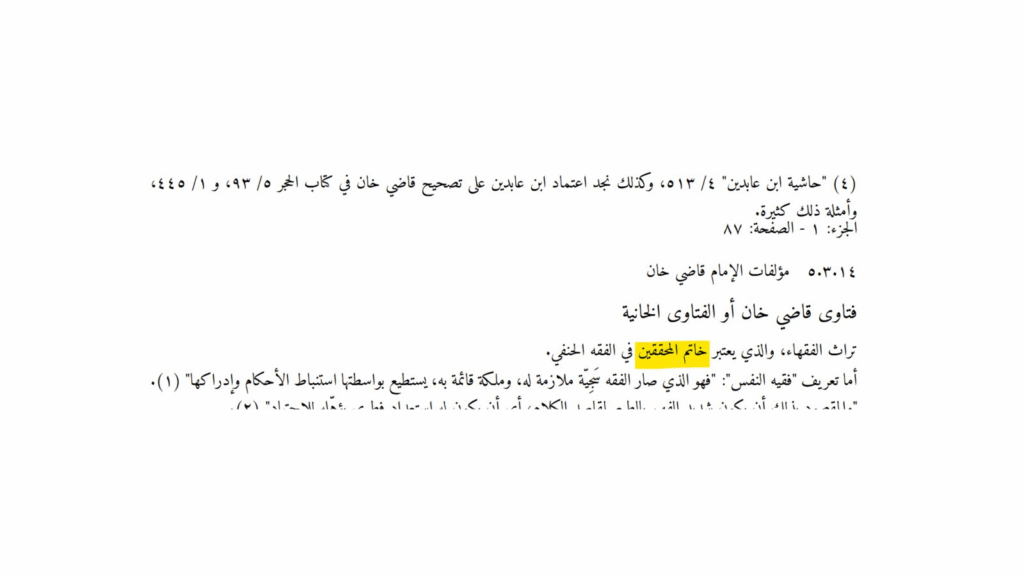
Sharh al-Ziyadat li-Qadi Khan
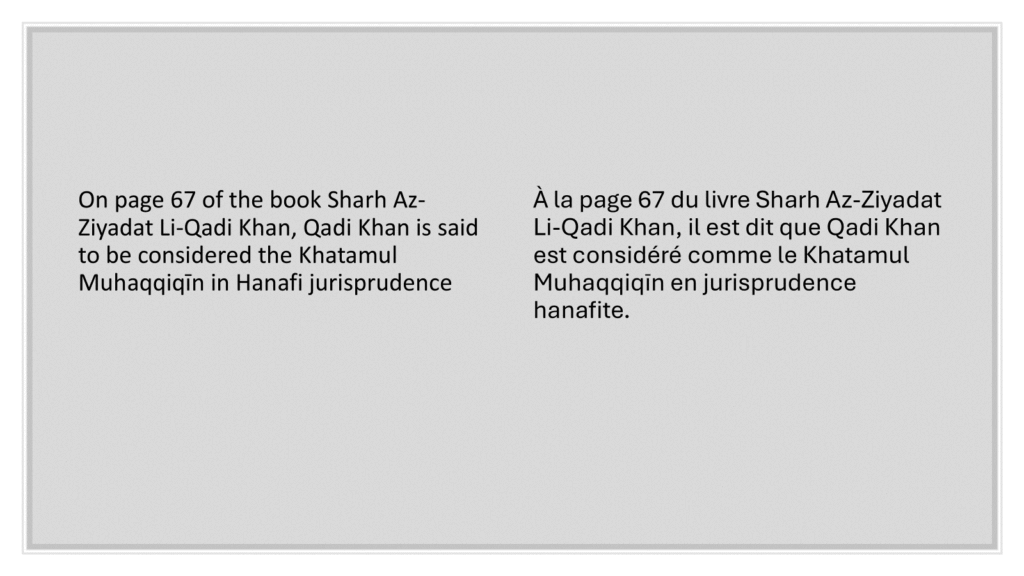
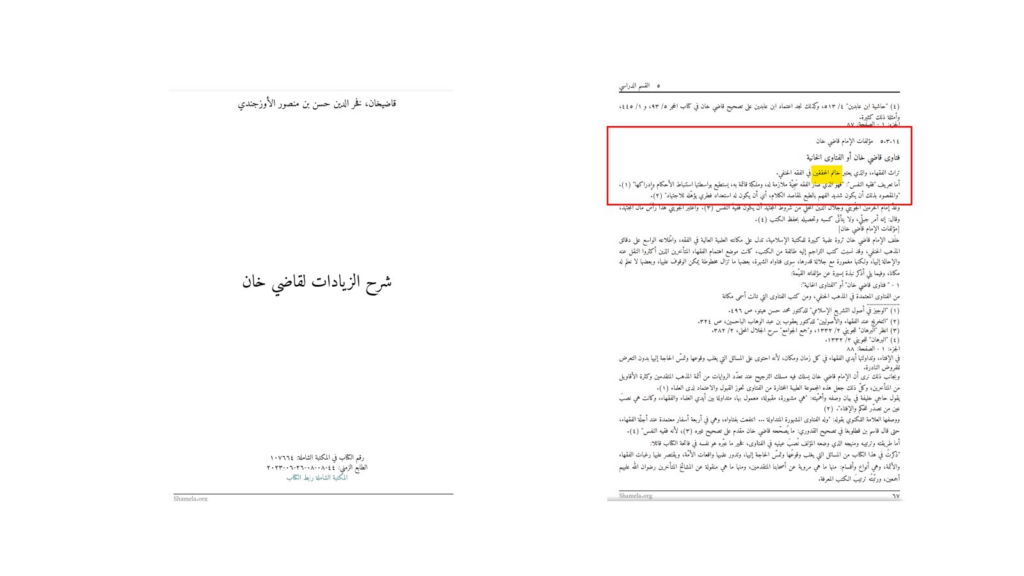
Page 67 describes Qadi Khan with the expression in Hanafi jurisprudence!
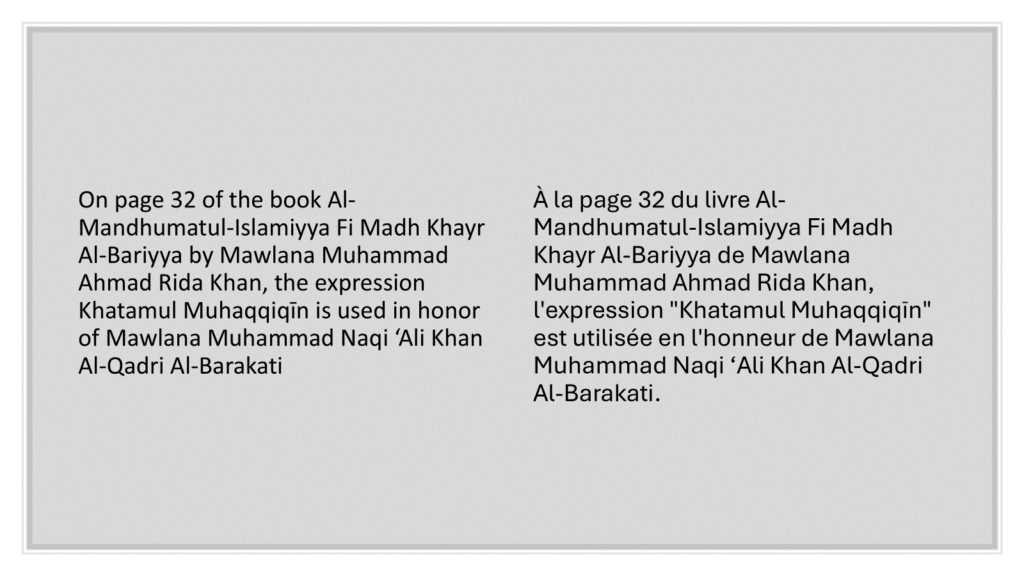
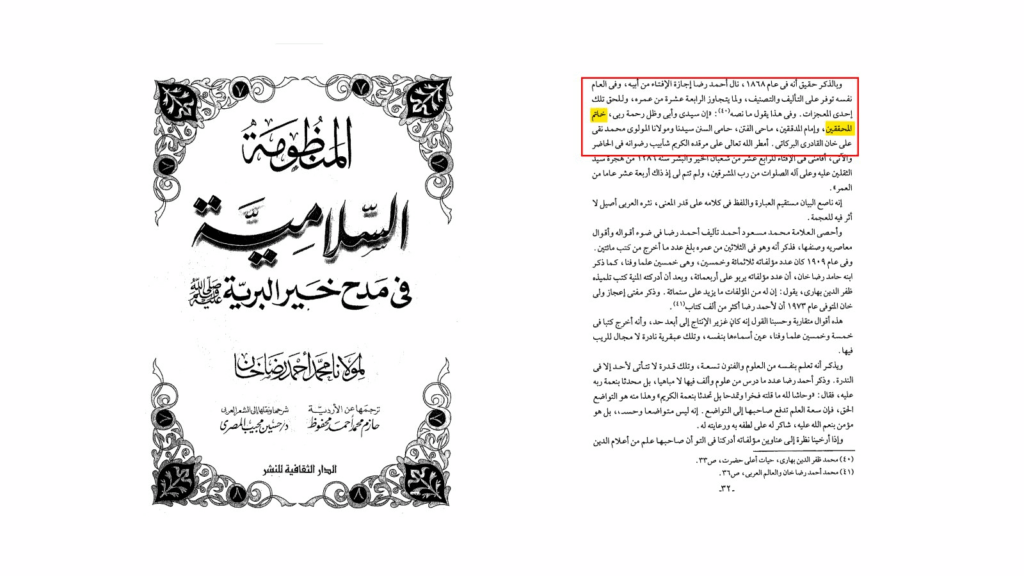
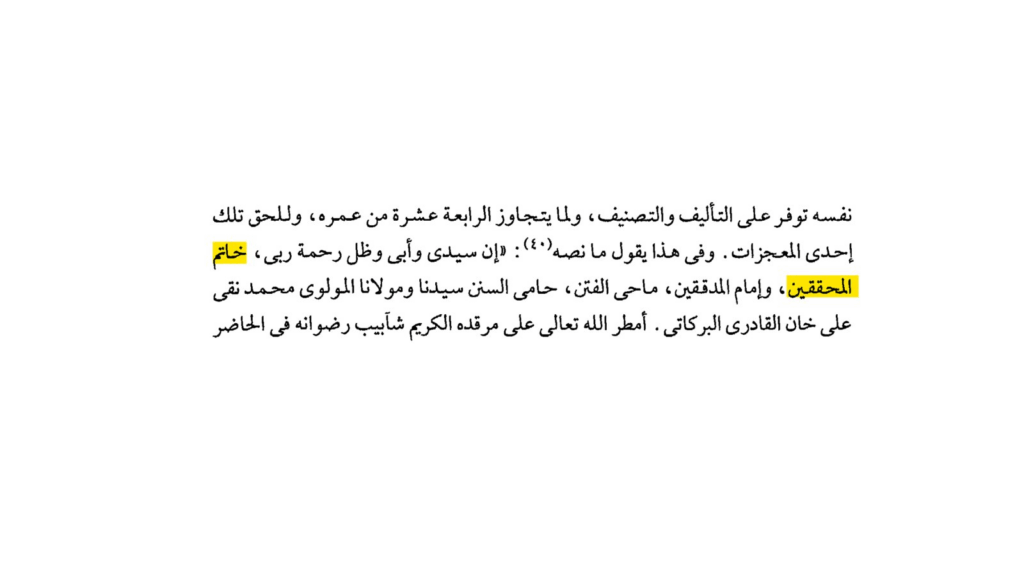
Al-Mandhumat al-Islamiyya fi Madh Khayr al-Bariyya
Page 32 uses the expression in honour of Mawlana Muhammad Nagi ʿAli Khan al-Qadri al-Barakati.
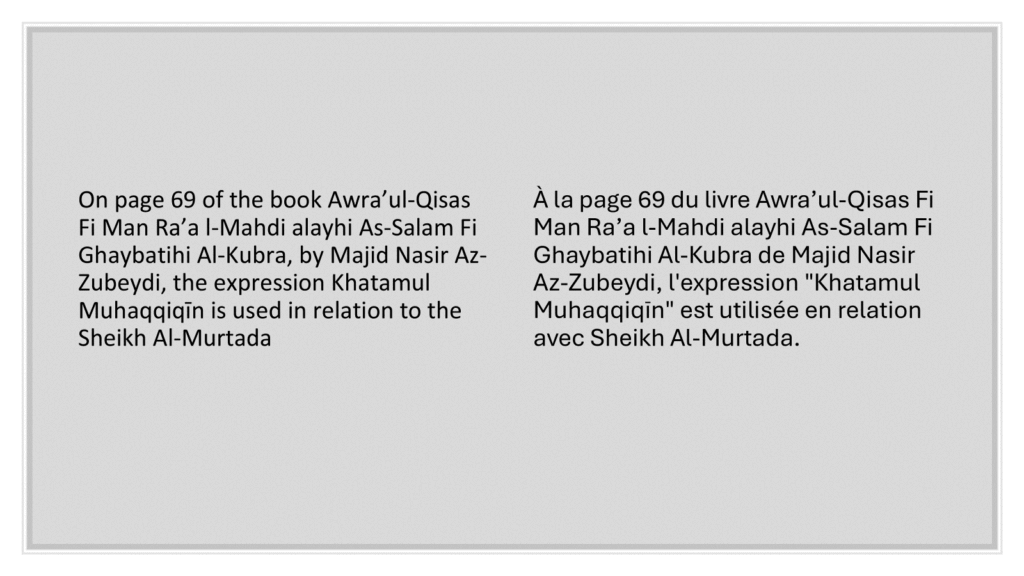
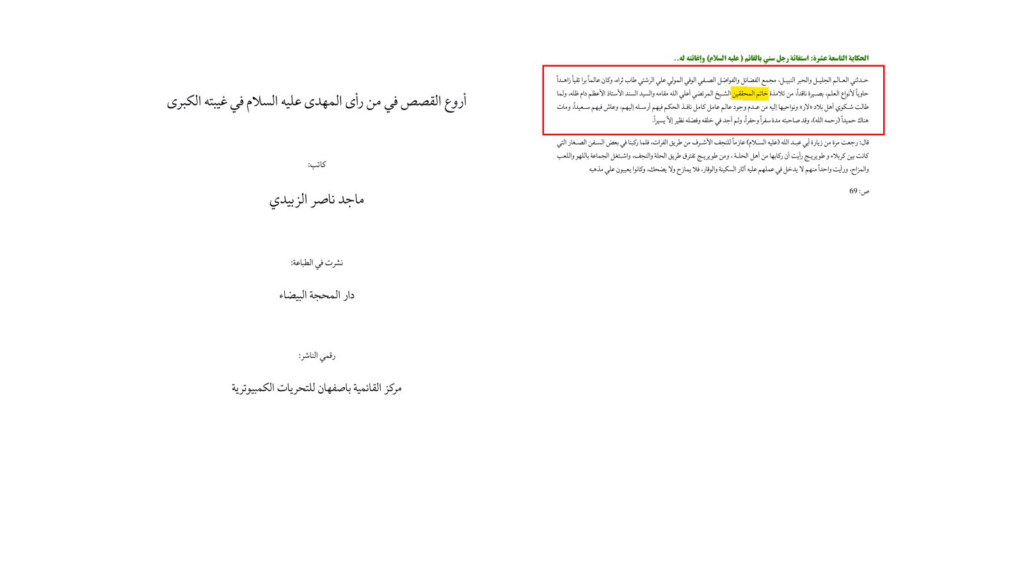
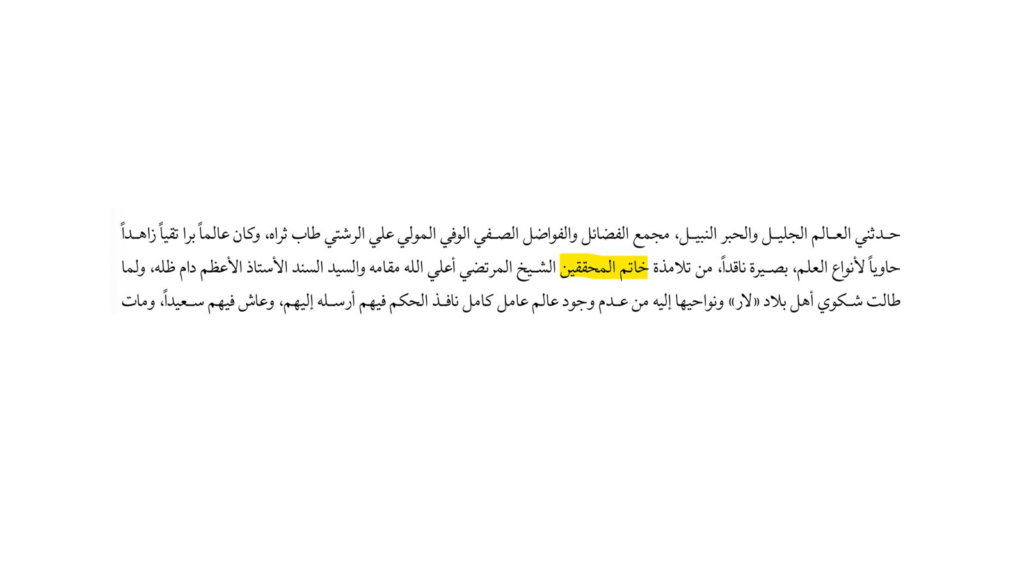
Awraʾ al-Qisas fi Man Raʾa al-Mahdi ʿalayhi al-Salam fi Ghaybatihi al-Kubra
Page 69 uses the expression in reference to Shaykh al-Murtada.
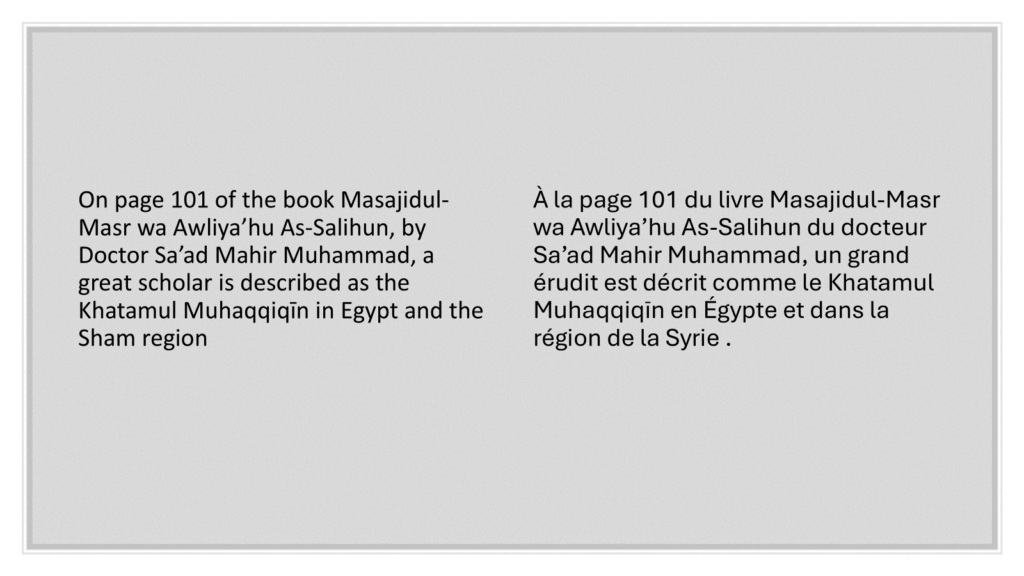
Masajid al-Misr wa Awliyaʾuhu al-Salihun
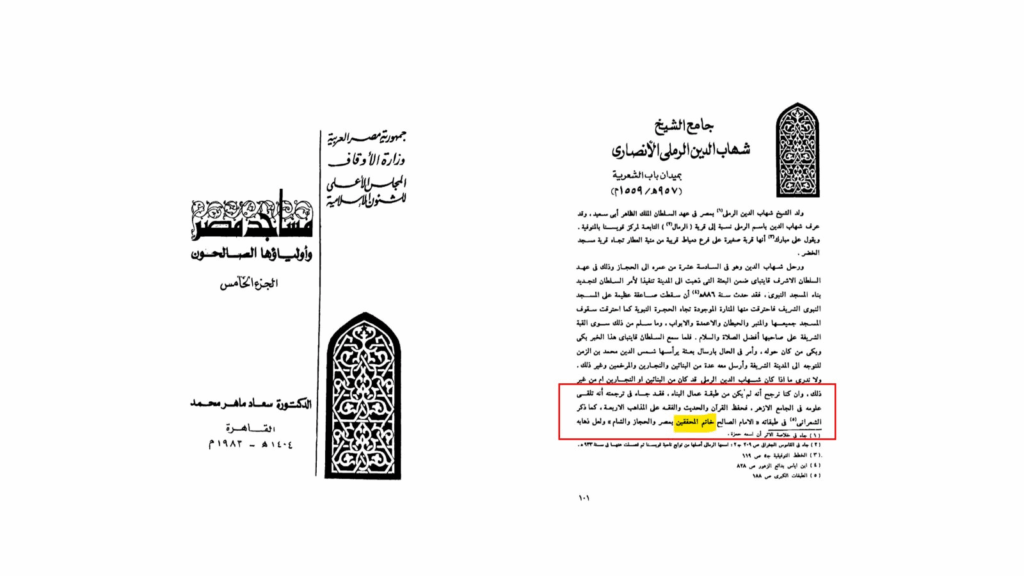
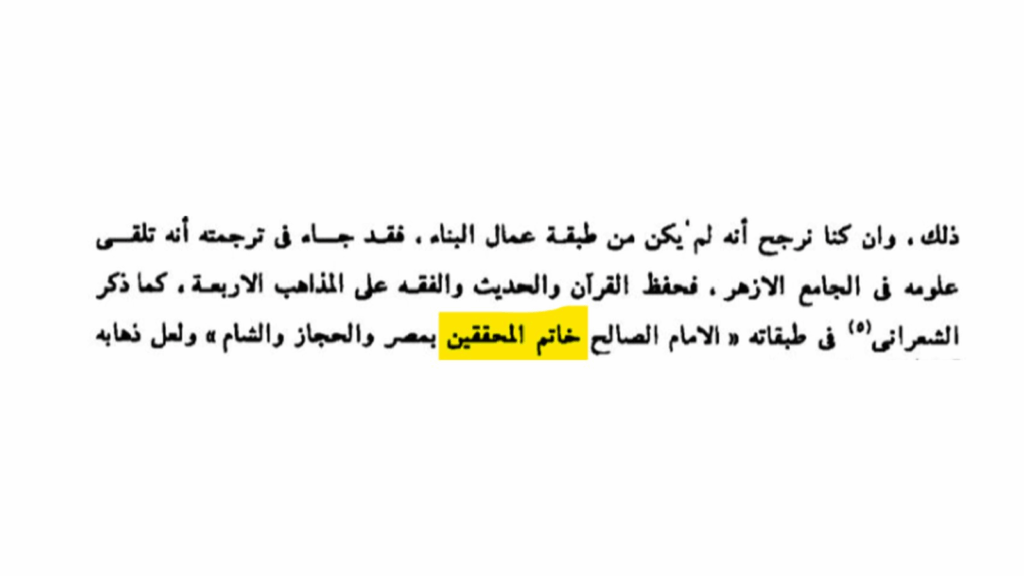
Page 101 describes a scholar as Khatam al-Muhaqqiqin in Egypt and the Sham region.
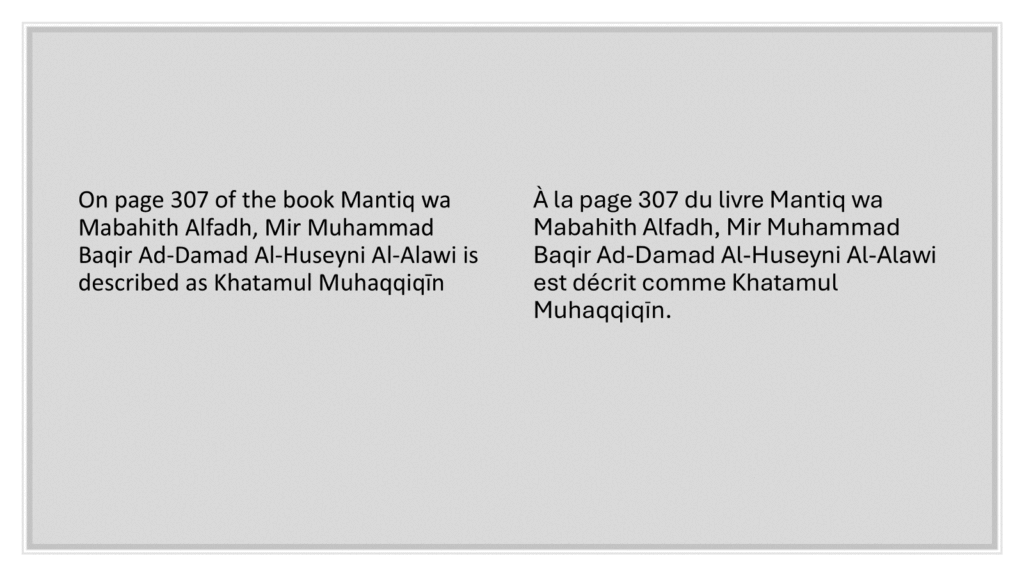
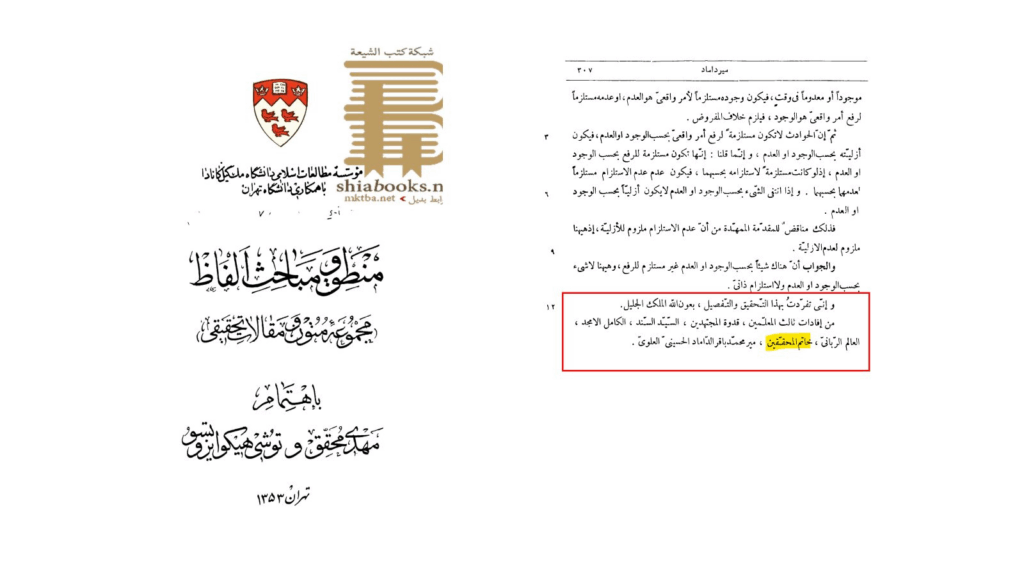
Mantiq wa Mabahith Alfadh
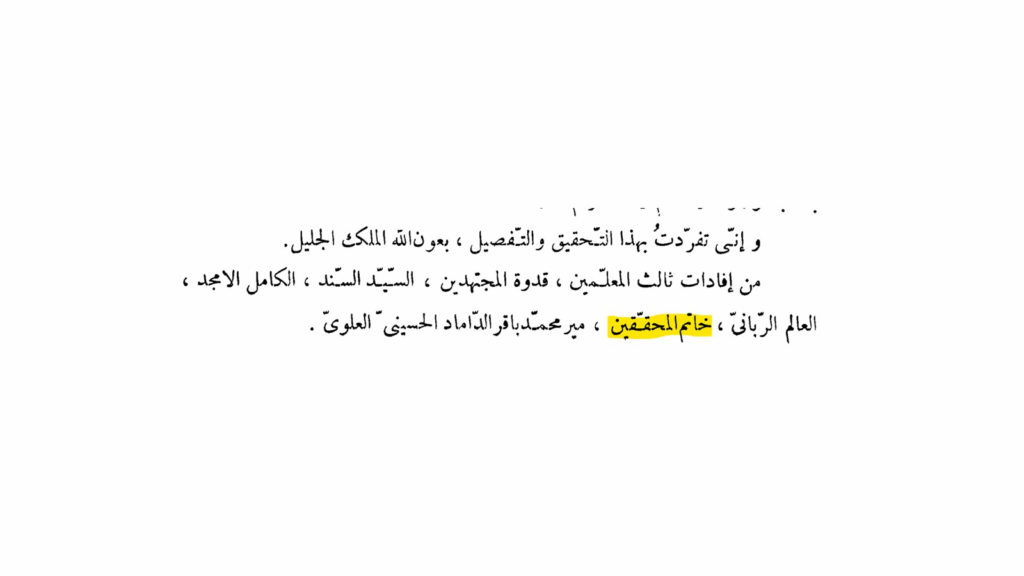
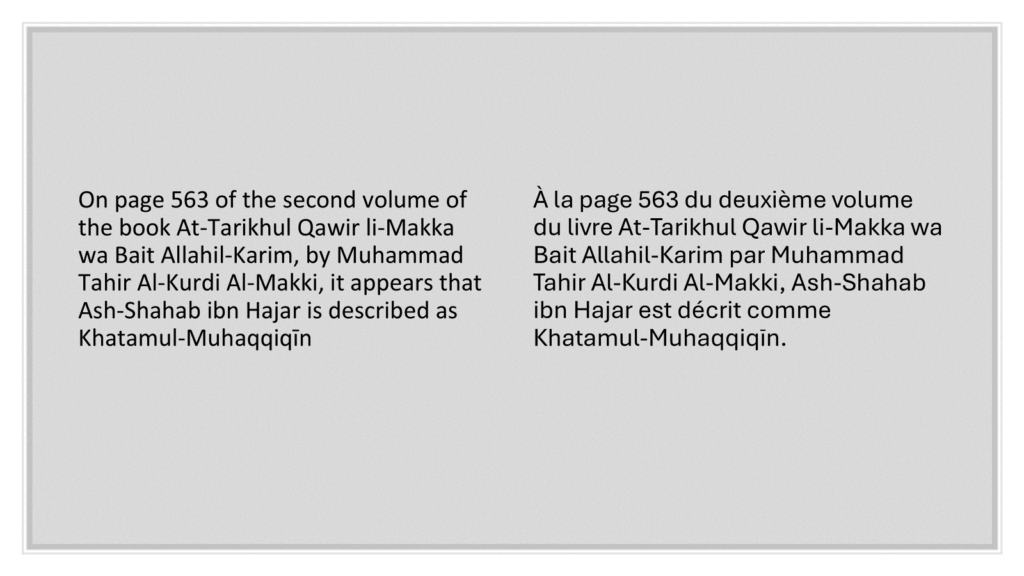
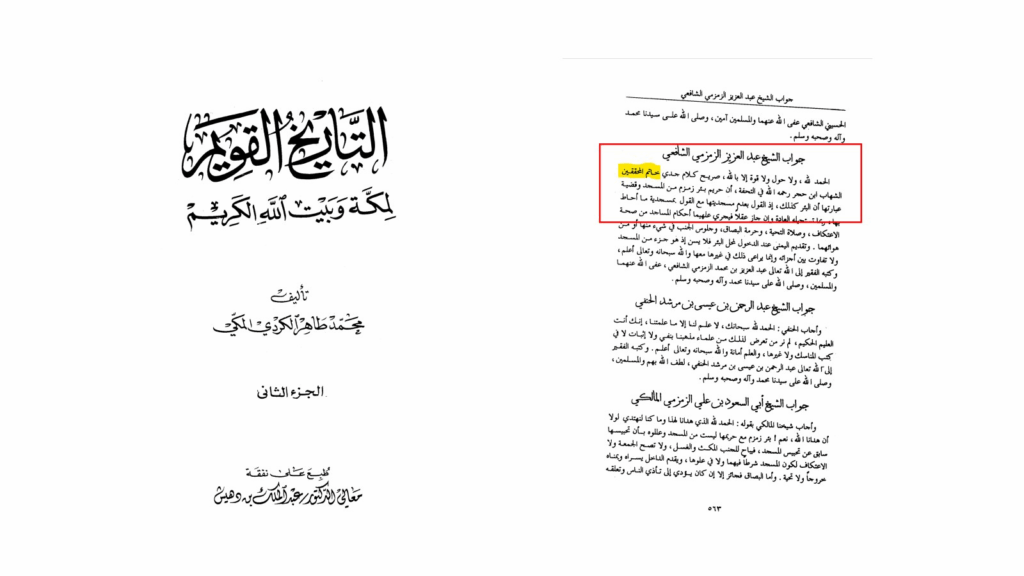
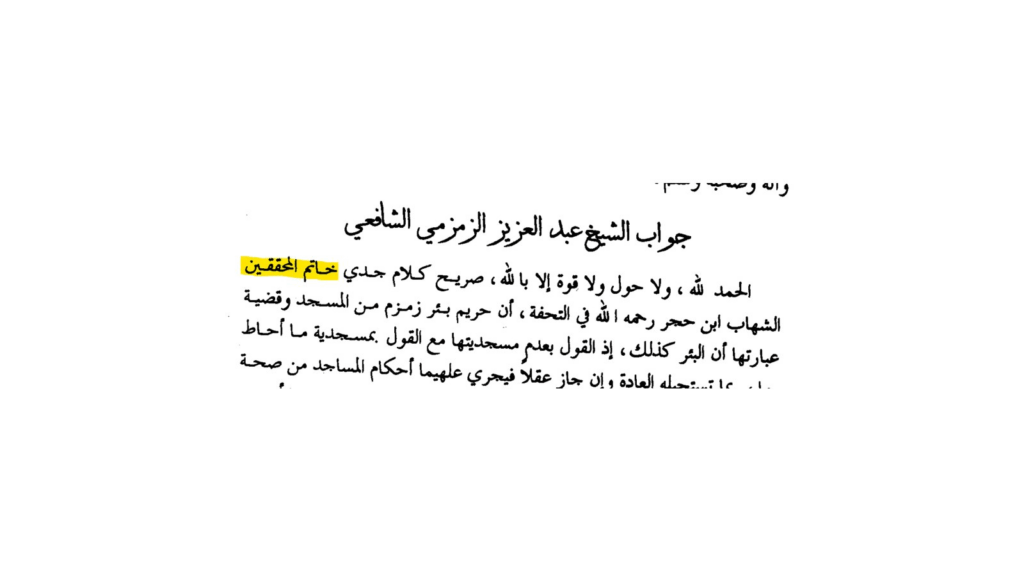
Al-Tarikh al-Qawim li-Makkah wa Bayt Allah al-Karim
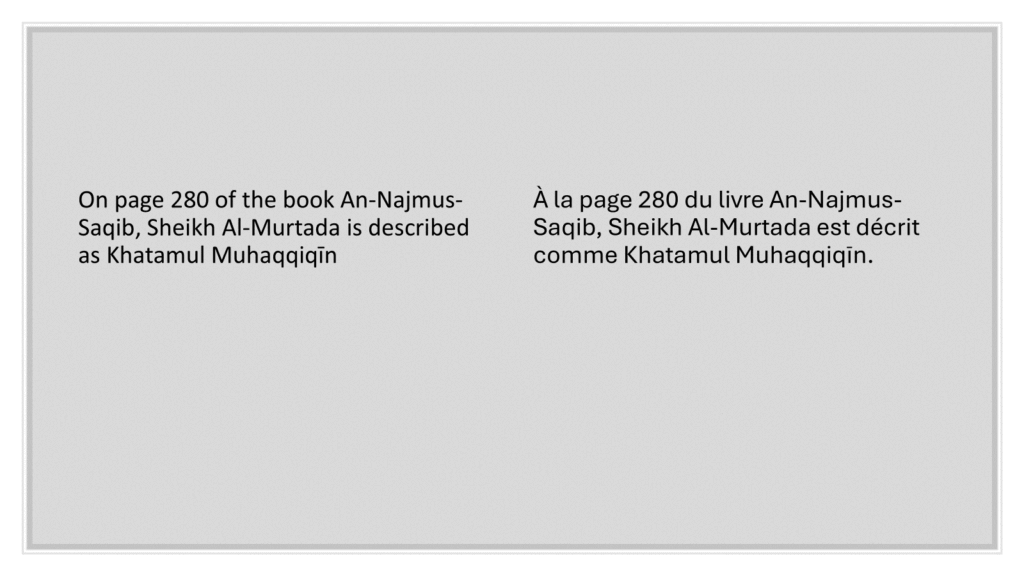
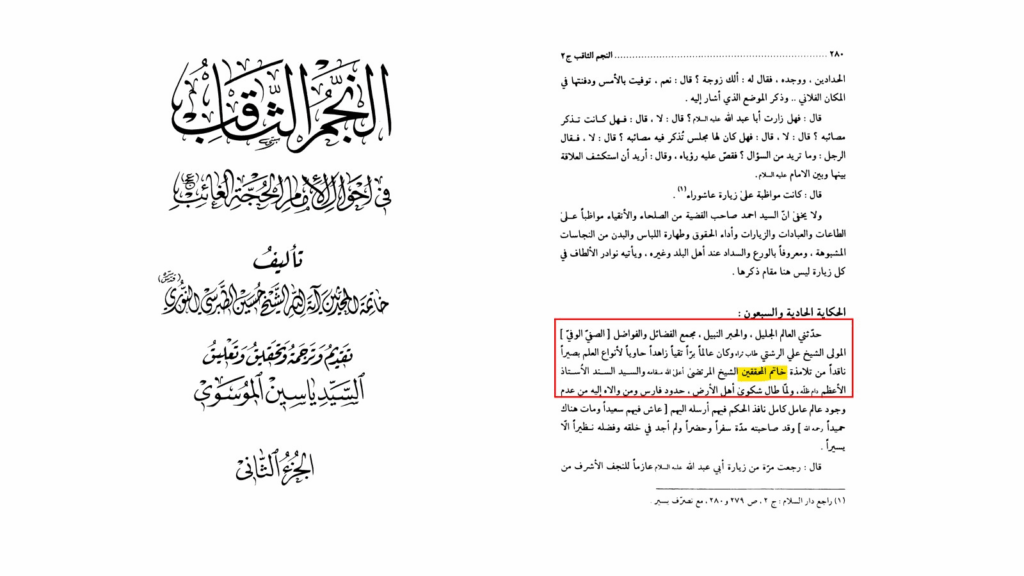
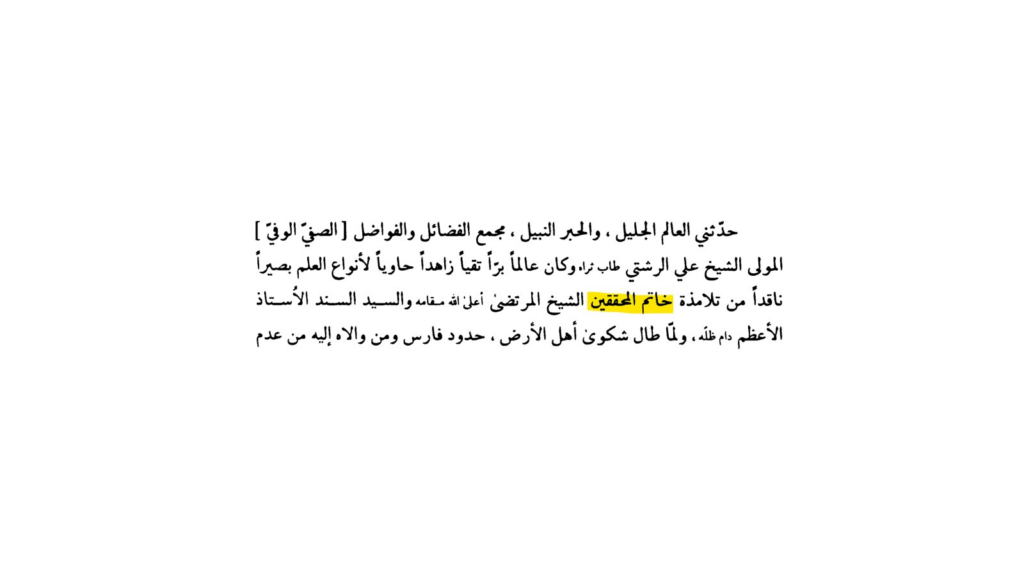
An-Najmus-Saqib
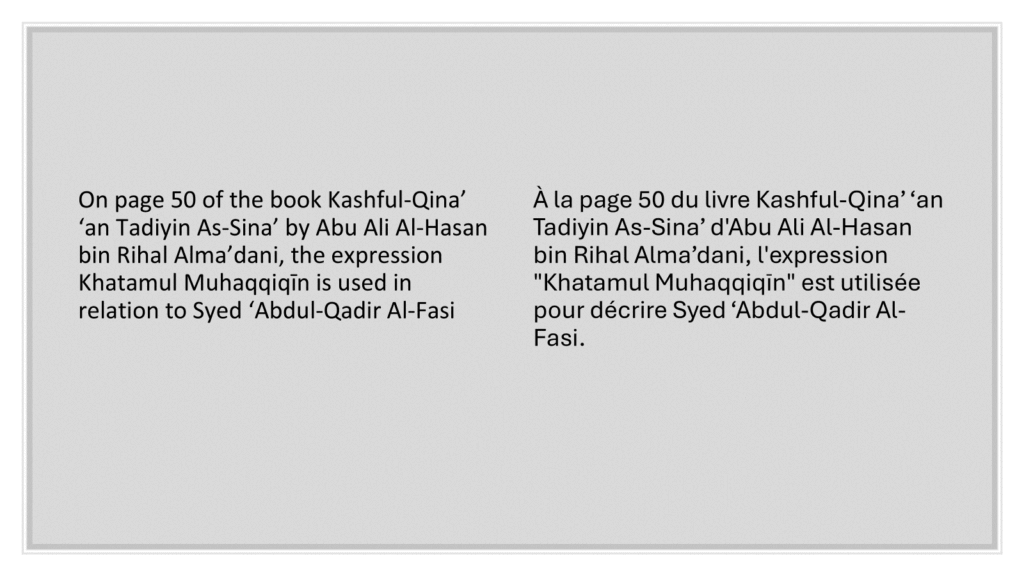
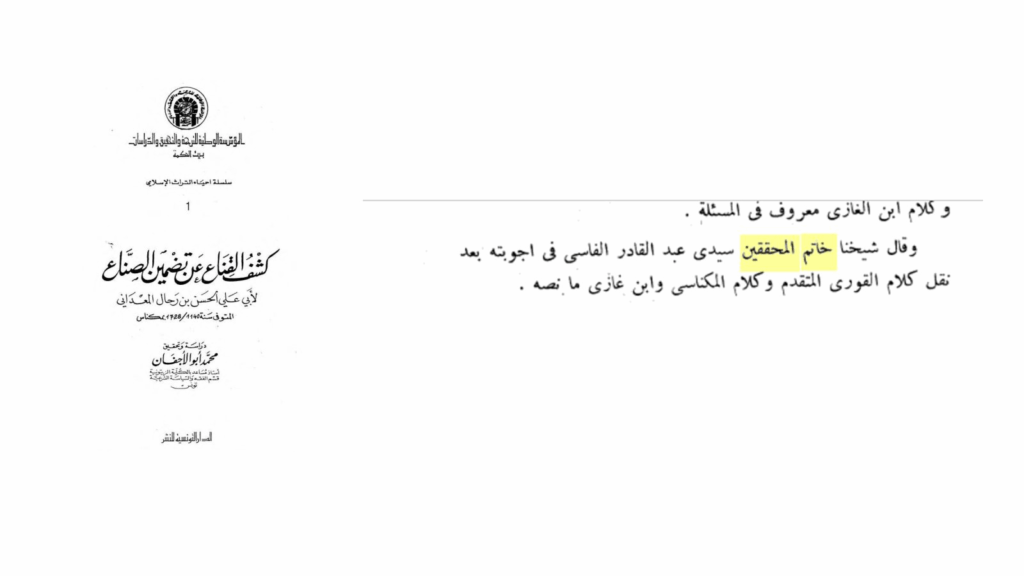
Kashf al-Qinaʿ ʿan Tadyin al-Sinaʿ
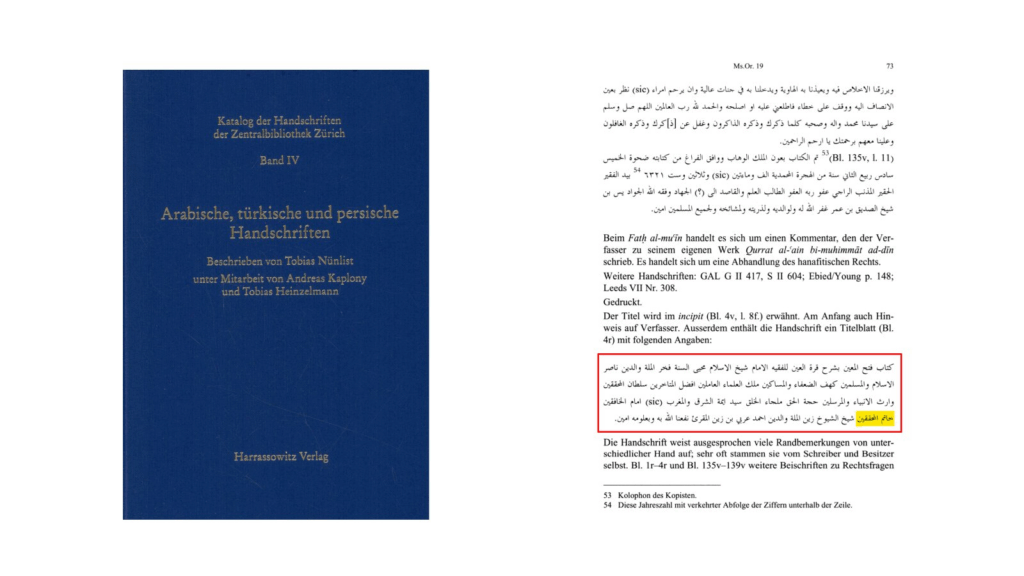
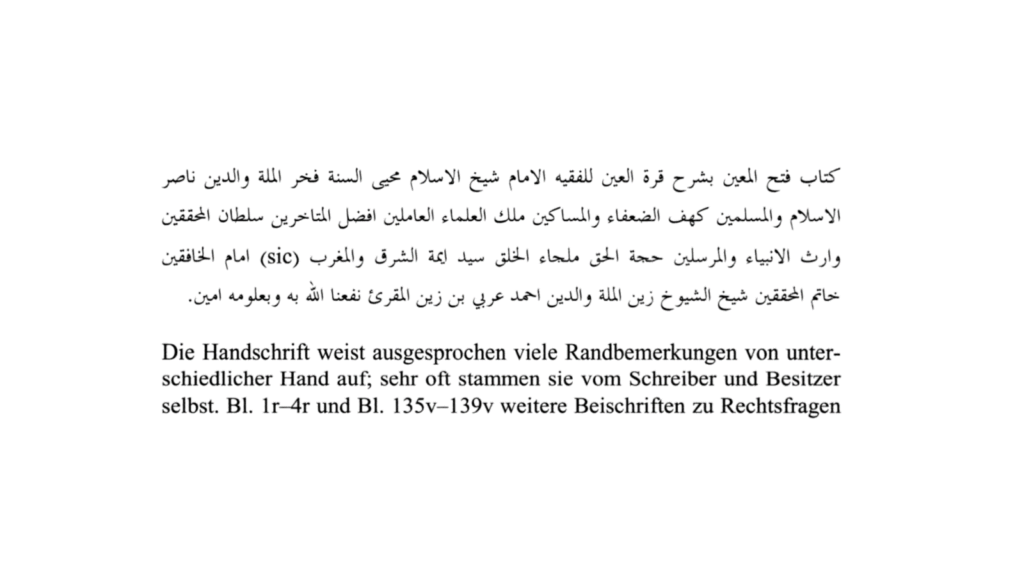
Arabische: türkische und persische Handschriften
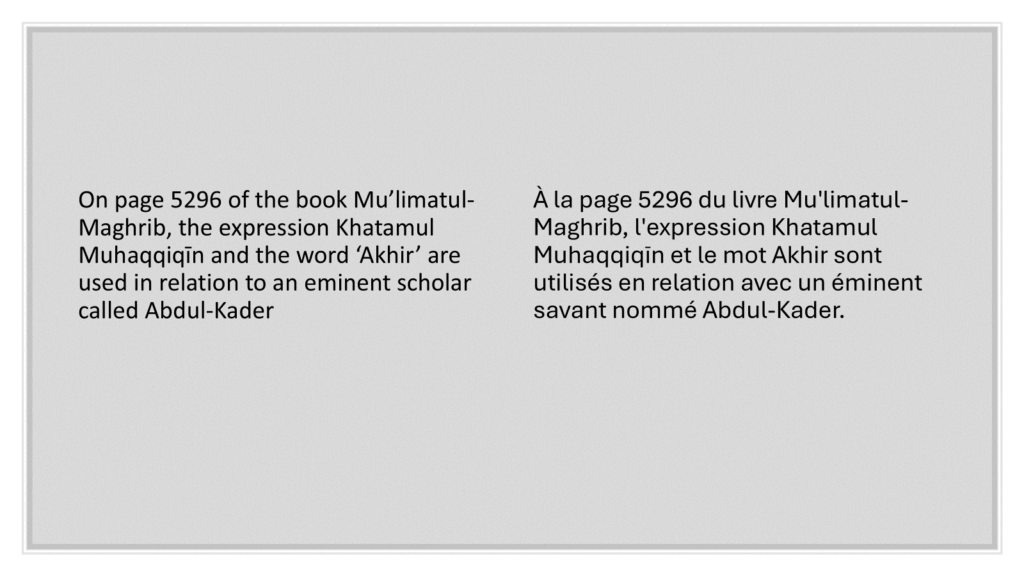
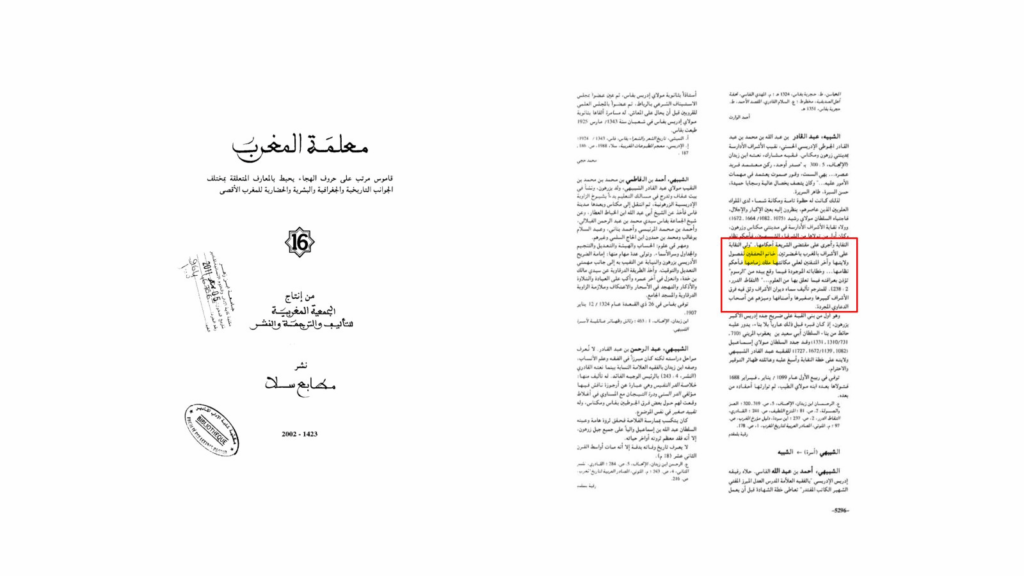
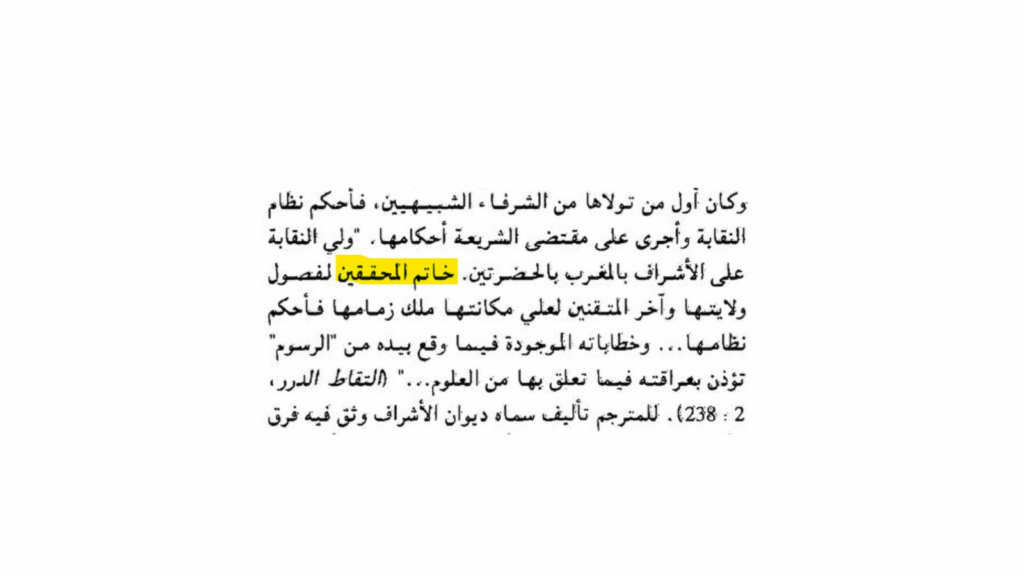
Mu’limatul-Maghrib
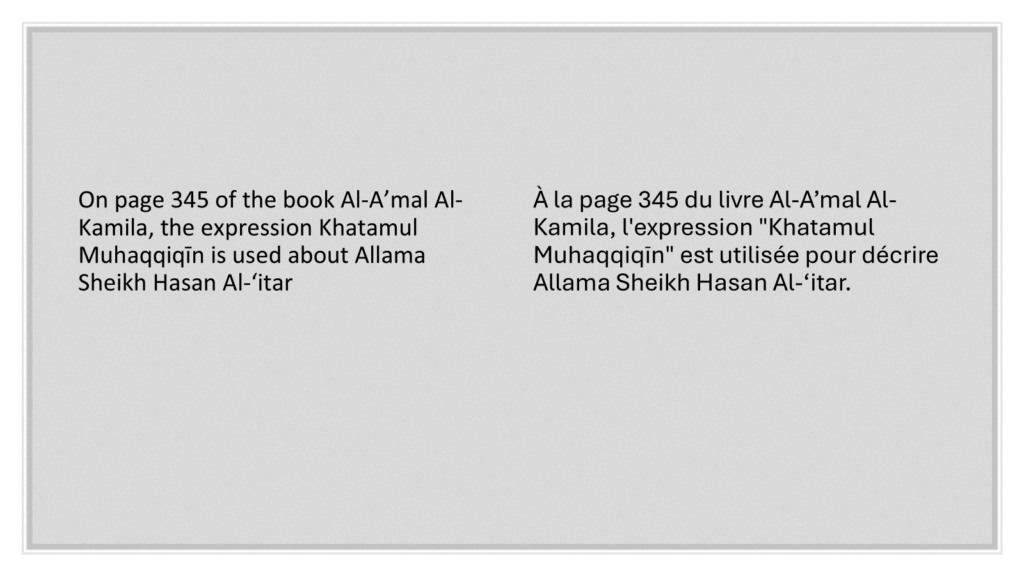
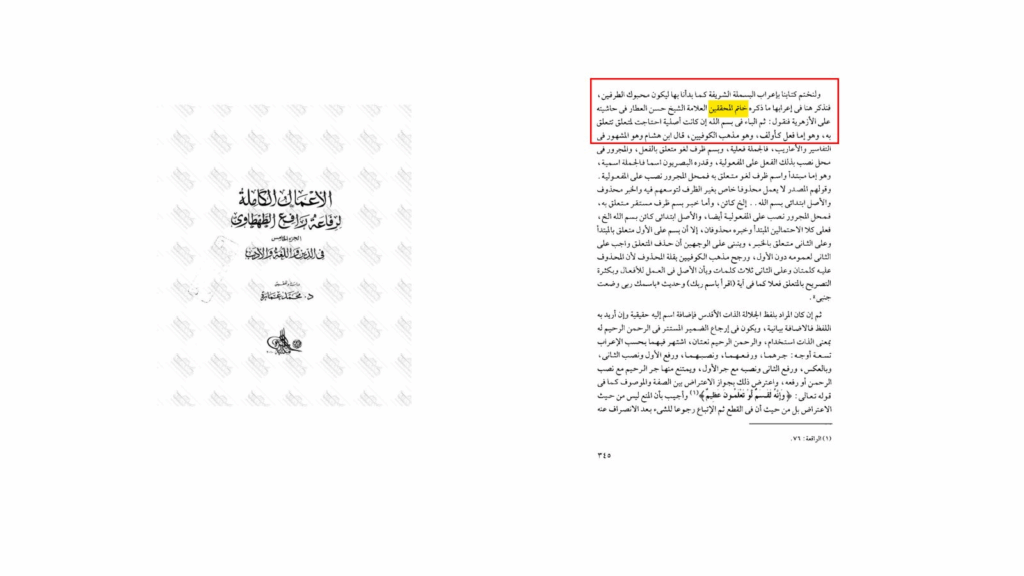
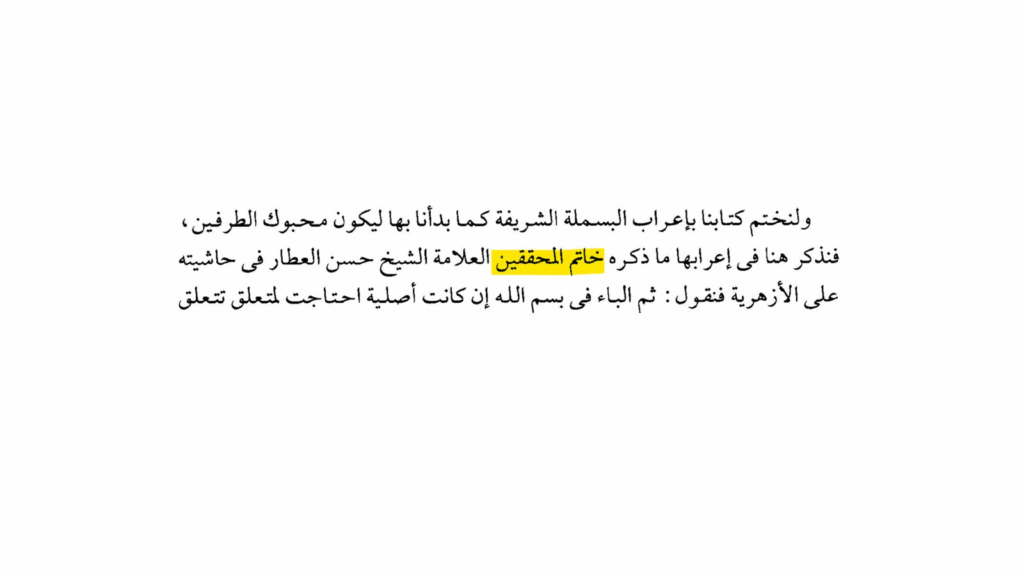
Al-A’mal Al-Kamila
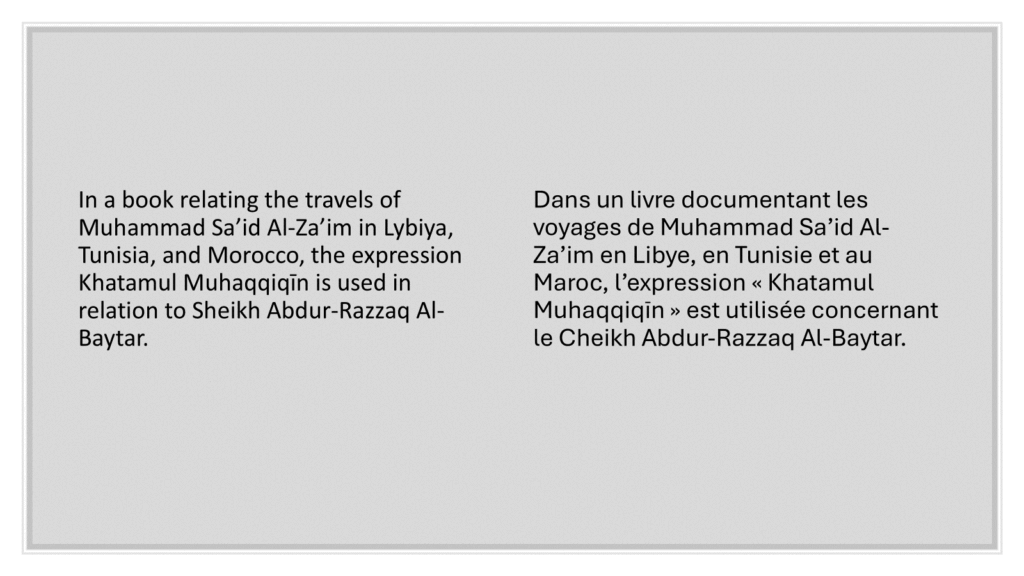
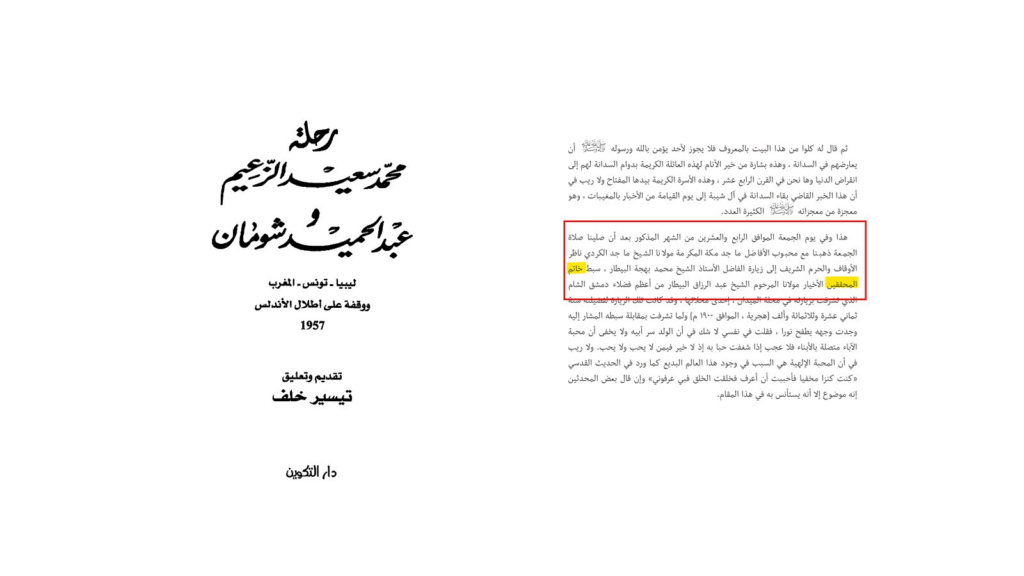
Journey of Muhammad Sa’id Al-Za’im and Abdul Hamid Shoman
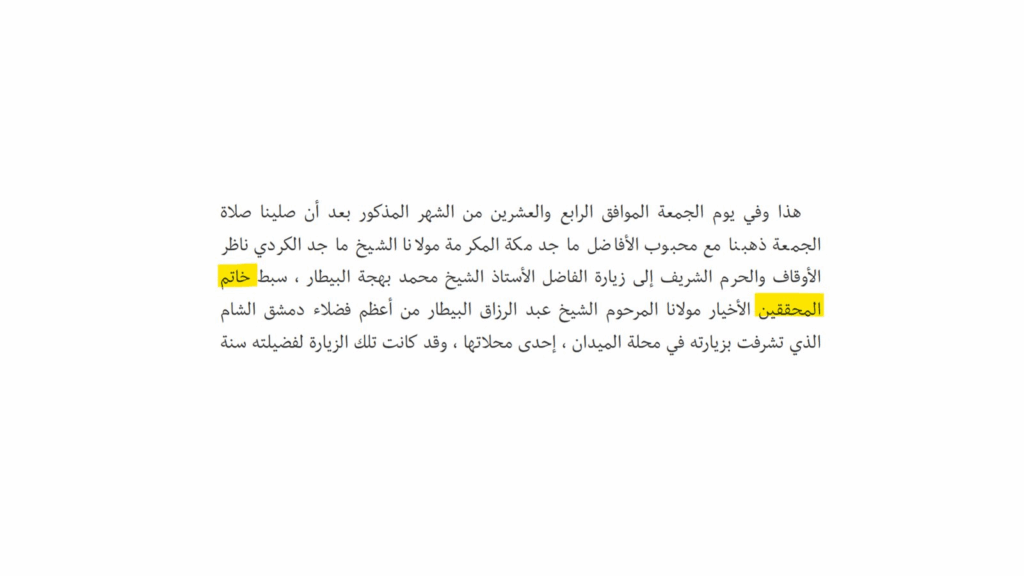
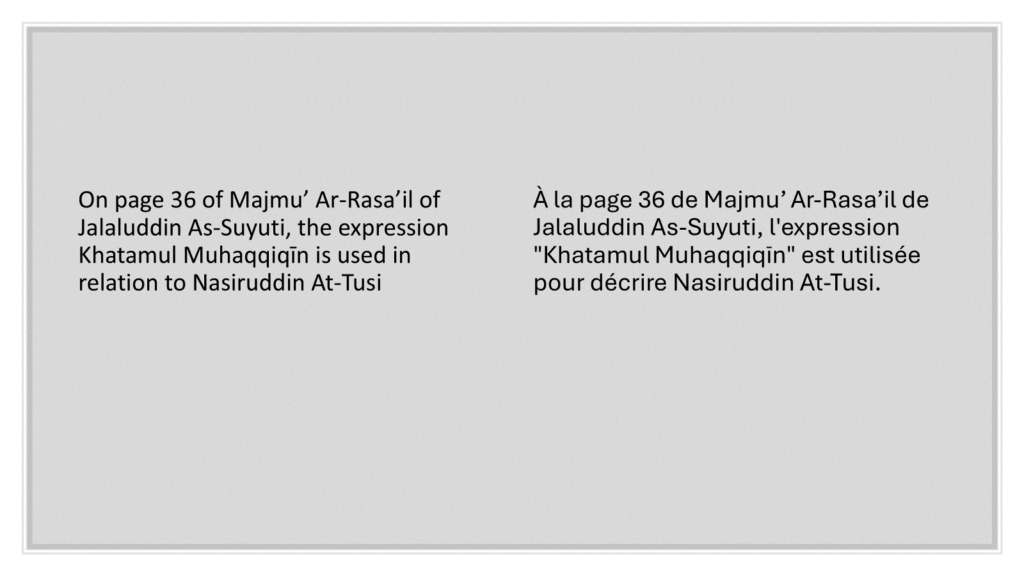
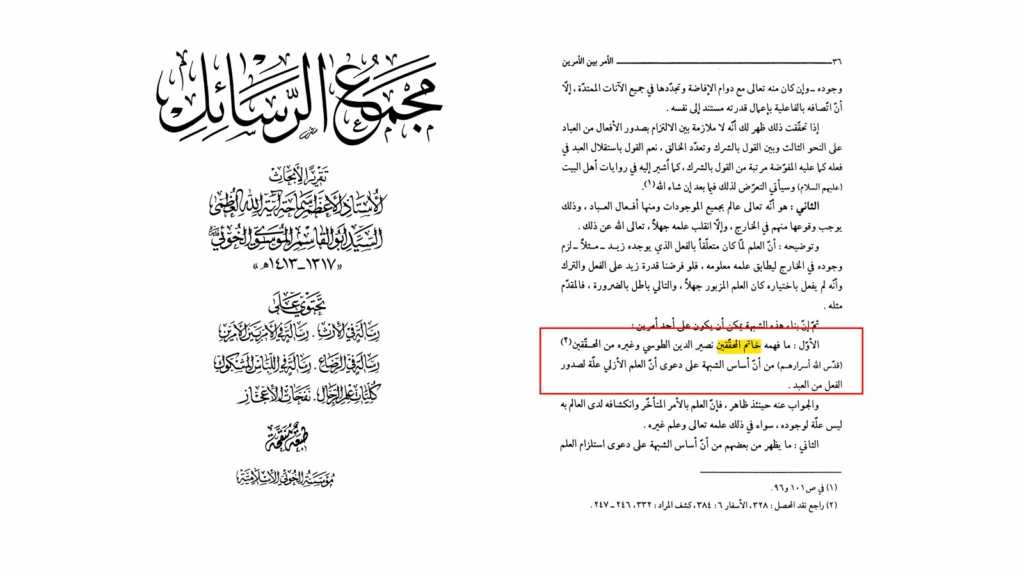
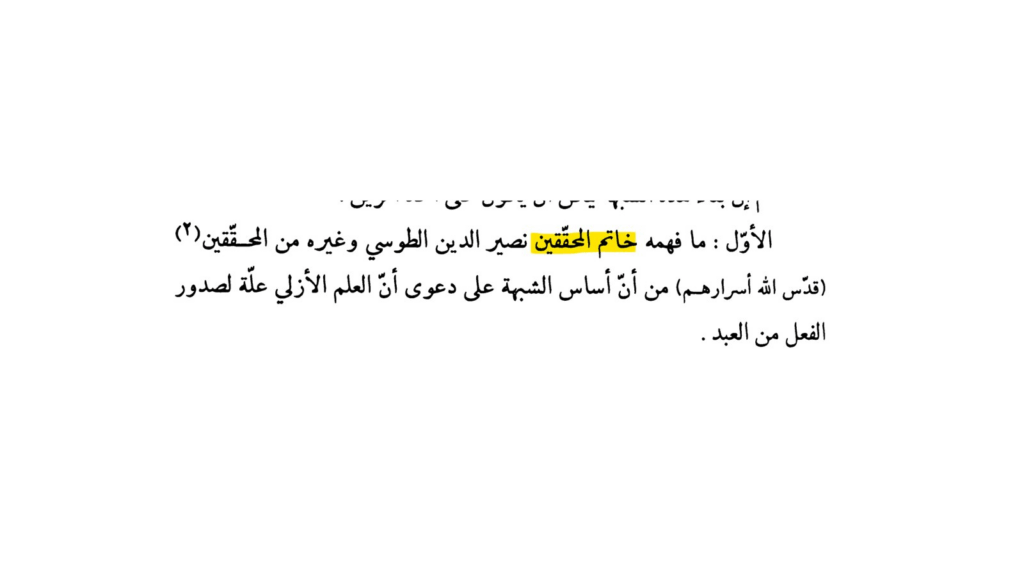
Majmu’ Ar-Rasa’il
Book by Jalaluddin As-Suyuti
Conclusion
According to the Ahmadiyya Muslim interpretation, Khatam also denotes the ‘best or most excellent‘, rather than necessarily the last.
These historical usages of Khatam al-Muhaqqiqin demonstrate how the title has been applied to different scholars while other Muhaqqiqun continued to exist.
From this perspective, Khatam an-Nabiyyin likewise signifies the best and most excellent of the Prophets, NOT the last Prophet. Thus, these references invite readers to reconsider whether Khatam must always mean the absolute end of a category.