
Acceptance of Prayer Demands Eagerness — Essence of Islam Vol. 2
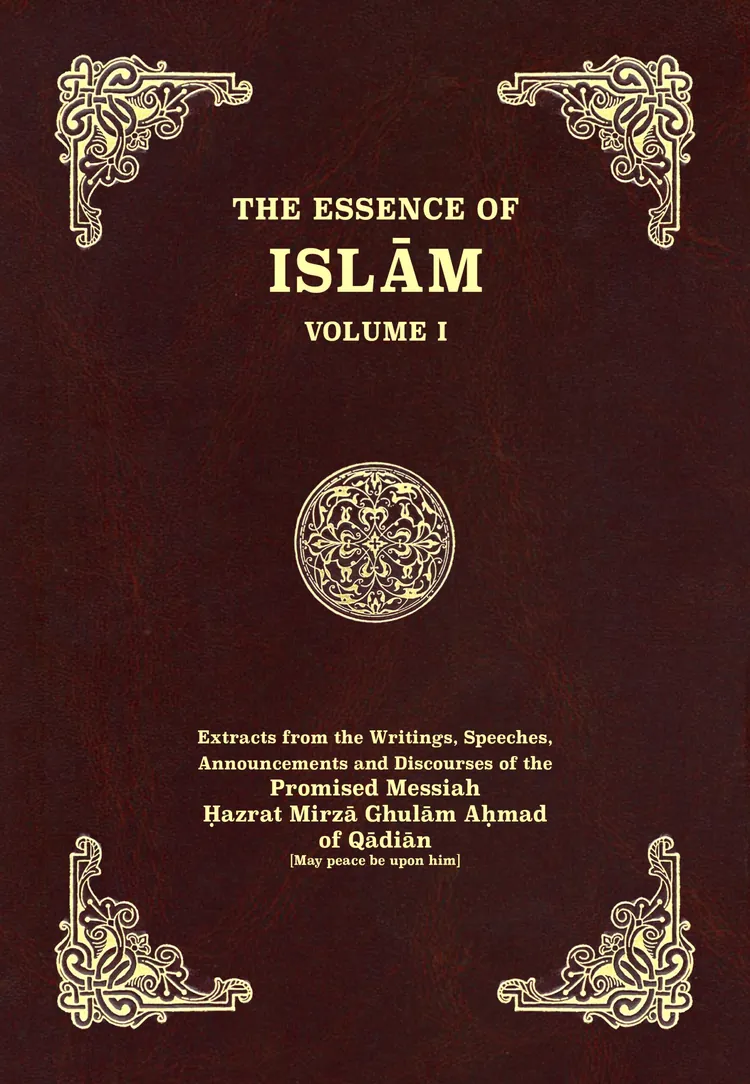
Introduction
In this discourse from Essence of Islam (Volume 2), Hazrat Mirza Ghulam Ahmad (AS), the Promised Messiah and Mahdi, expounds upon Acceptance of Prayer Demands Eagerness, presenting profound spiritual insights and scriptural verities.
Book Series: Essence of Islam (Volume 2)
Author: Hazrat Mirza Ghulam Ahmad of Qadian (AS)
Section: Part 5: Prayer
Navigation: Book Table of Contents | « Previous: God Comes Closer Through Prayer | Next: Humble Prayer »
but the foolish supplicant does not recognize the hidden favour that God does to him and begins to complain on account of his ignorance and unawareness. He does not appreciate the verse: 73
That is, it may be that you dislike a thing, which is really good for you, and it may also be that you like something, but it may be the worse for you. Allah knows the reality of all things and you know not.
[Brahin-e-Ahmadiyya, Ruhani Khaza’in, vol. 1, pp. 430-431, footnote 11]
[Essence of Islam, Vol. 2, p. 229]
God Almighty has taught such an excellent method of prayer in the Surah Fatihah than which nothing better is possible and which comprises all those matters which are necessary for inspiring the heart with eagerness in prayer. For the acceptance of prayer; it is necessary that there should be eagerness in it for the prayer that lacks eagerness is mere words and is not true prayer. It is obvious, however, that it is not the choice of a person that his prayer should be inspired by eagerness at all times. It is necessary that at the time of prayer the matters that inspire eagerness should be present in the mind of the supplicant. Every sensible person knows that the heart is inspired with eagerness in consequence of two feelings. First, that the worshipper should contemplate God as Perfect and Powerful and possessing all perfect attributes, and to consider His mercies and His benevolence as essential from the beginning to the end for his own
إِيَّاكَ نَعۡبُدُ وَإِيَّاكَ نَسۡتَعِينُ
“Thee alone do we worship and Thee alone do we implore for help.” (Surah Al-Fatihah, 1:5)
This means: O the Source of all bounties! We worship Thee alone, and seek help from Thee alone. That is, we are helpless and can achieve nothing ourselves unless we are bestowed strength and support by Thee. Thus, God Almighty has set forth two matters that
True worshippers know well that a concept of these two matters is essential for prayer: first, that God Almighty has the power to foster and to develop and to bestow mercy and reward and that these perfect attributes of His are always in operation; and secondly, that man can achieve nothing without the help and support of the Divine. These two concepts are such that when they are established in the heart at the time of prayer they work such a change in the condition of the worshipper that, being affected by them, an arrogant one falls on the earth and tears start running from the eyes of a haughty hardhearted one. This is the machine that puts life in a heedless dead person. Through these two concepts every heart is drawn towards prayer. This is the spiritual means through which the soul of a person turns towards God and observes its own weakness and the need of the help of God. Through it a person arrives at such a stage of selflessness in which no sign of his own opaque existence remains and the glory of a Great Being shines forth and that Being appears as All-Merciful and the Support of every being and the Remedy of every ill and the Source of every grace. At last, a condition of being lost in God manifests itself in consequence of which a person is left with no inclination towards any part of creation, or towards his own self, or towards his own designs, and is wholly lost in the love of God. By the manifestation of that reality one’s own existence and the existence of the rest of creation appear as naught. This condition is called the straight path by God which a servant has been instructed to seek through the supplication:
ٱهۡدِنَا ٱلصِّرَٰطَ ٱلۡمُسۡتَقِيمَ
“Guide us in the right path —” (Surah Al-Fatihah, 1:6)
That is to say: Bestow upon us that path of losing of self and of Unity of God and love of God which has been indicated in the previous verses and cut us asunder altogether from everything beside Thee. In short, God Almighty has bestowed such true means upon man for creating eagerness in prayer that through their adoption a supplicant is transported from the consciousness of self to the world of non-existence. It should be borne in mind that the Surah Fatihah is not merely one of the many means for seeking guidance, but as has been established by the arguments that have been already set forth, it is the only means by the adoption of which prayer is offered with the eagerness of the heart and which the nature of man desires to follow under the
[Brahin-e-Ahmadiyya, Ruhani Khaza’in vol. 1, pp. 569-575, footnote 11]
[Essence of Islam, Vol. 2, p. 229]
Humble Prayer 76
[Essence of Islam, Vol. 2]
[Essence of Islam, Vol. 2, p. 233]
Book Series: Essence of Islam (Volume 2)
Author: Hazrat Mirza Ghulam Ahmad of Qadian (AS)
Section: Part 5: Prayer
Navigation: Book Table of Contents | « Previous: God Comes Closer Through Prayer | Next: Humble Prayer »