
The Philosophy of Punishment in the Hereafter — Essence of Islam Vol. 2
Introduction
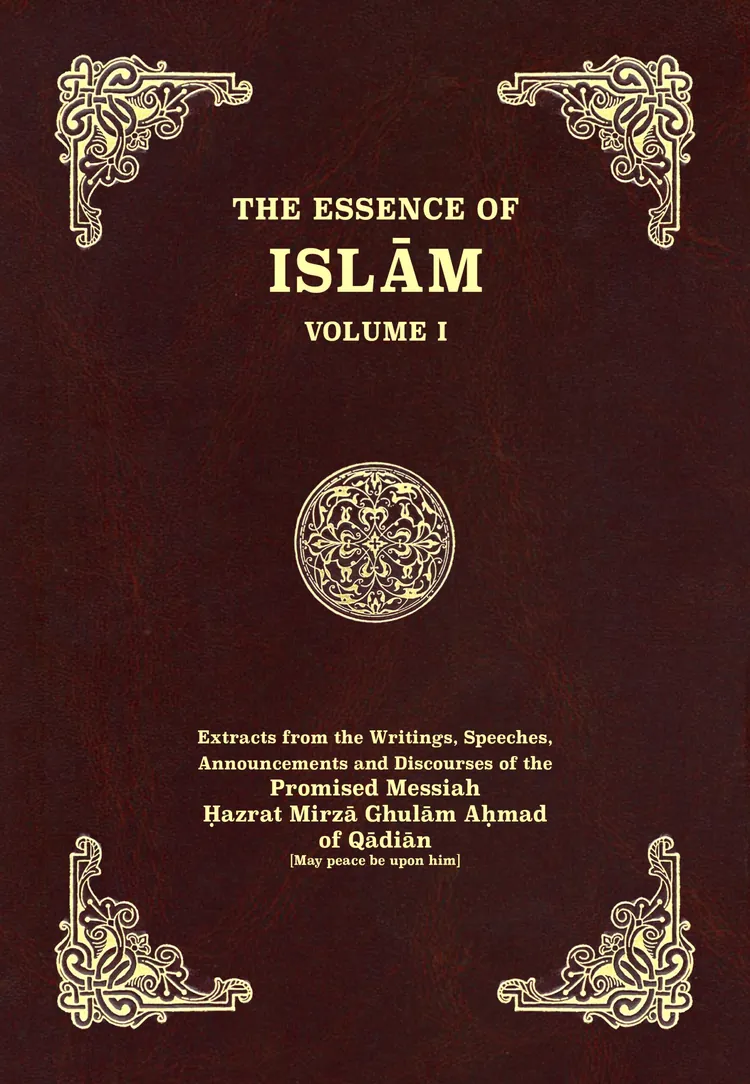
In this discourse from Essence of Islam (Volume 2), Hazrat Mirza Ghulam Ahmad (AS), the Promised Messiah and Mahdi, expounds upon The Philosophy of Punishment in the Hereafter, presenting profound spiritual insights and scriptural verities.
Book Series: Essence of Islam (Volume 2)
Author: Hazrat Mirza Ghulam Ahmad of Qadian (AS)
Section: Part 17: Heaven and Hell
Navigation: Book Table of Contents | « Previous: The Torment and Comfort of the Grave Is Perceived Through the Body | Next: Torment Is the Result of Man’s Actions »
and the realities of the hereafter are seen as they are. The wrongdoers then suffer a torment of despair in addition to the physical torment. It is thus an agreed principle in Islam that the torment or comfort of the grave is perceived through a body. Reason also demands this as experience has established that the spiritual faculties of man do not manifest themselves without a body.
[Kitab-ul-Bariyyah, Ruhani Khaza’in, vol. 13, pp. 70-71]
[Essence of Islam, Vol. 2, p. 439]
There is a philosophy about punishment in the hereafter which is not set forth perfectly by any religion except Islam. God Almighty says in the Holy Qur’an:
وَمَن كَانَ فِي هَٰذِهِۦٓ أَعۡمَىٰ فَهُوَ فِي ٱلۡأٓخِرَةِ أَعۡمَىٰ وَأَضَلُّ سَبِيلٗا
“But whoso is blind in this world will be blind in the Hereafter, and even more astray from the way.” (Surah Bani Isra’il, 17:73)
He who is blind in this world shall be blind in the hereafter and even more astray. This shows that a person takes with him from this world the eyes with which to behold God Almighty and the senses with which to perceive Him. He who does not acquire these senses in this life will not enjoy them in the hereafter. This is a mystery which is not understood by the common people. If its meaning is not that which we have set forth, then it is entirely wrong that those who are blind in this world shall be blind in the hereafter. The truth is that to recognize God Almighty without any error and to acquire a true understanding of His attributes in this world is the key to all comforts and delights of the future. This verse clearly indicates that we carry a torment with us from this world and that the blind existence and foul actions of this world will appear in the
form of the torment of hell in the other world and they will not be anything new. As by shutting the doors of a room a person deprives himself of light and of fresh lifegiving air, or by swallowing a poison he puts an end to his life, in the same way, when he moves away from God and commits sin, he falls into a darkness and is involved in torment. The meaning of Junah, the Arabic word for sin, is to incline and to move away from the true centre. When a person moves away from God and withdraws from the light which descends upon the hearts from God, he is involved in a darkness which becomes a source of torment for him. Then he suffers the same type of torment of which type is his turning away. If he wishes to revert to the centre and transports himself to the spot where that light falls, he regains the light. As we observe in the world that we enjoy light in a room when we open its windows, in the same way, in the spiritual system to return to the true centre becomes the source of comfort and rescues from the suffering which had resulted from departing from the centre. This is called repentance. The darkness that is produced in this manner is called the misguidance of hell and to revert to the true centre which bestows comfort is called heaven. To move away from sin and to revert to virtue that would please God Almighty, becomes the atonement of the sin and wipes out its consequences. That is why God Almighty has said:
وَأَقِمِ ٱلصَّلَوٰةَ طَرَفَيِ ٱلنَّهَارِ وَزُلَفٗا مِّنَ ٱلَّيۡلِ ۚ إِنَّ ٱلۡحَسَنَٰتِ يُذۡهِبۡنَ ٱلسَّيِّـَٔاتِ ۚ ذَٰلِكَ ذِكۡرَىٰ لِلذَّـٰكِرِينَ
“And observe Prayer at the two ends of the day, and in the hours of the night that are nearer the day. Surely, good works drive away evil works. This is a reminder for those who would remember.” (Surah Hud, 11:115)
Good deeds wipe out evil deeds. As vice contains the poison of destruction and good
[Essence of Islam, Vol. 2]
[Essence of Islam, Vol. 2, p. 439]
Book Series: Essence of Islam (Volume 2)
Author: Hazrat Mirza Ghulam Ahmad of Qadian (AS)
Section: Part 17: Heaven and Hell
Navigation: Book Table of Contents | « Previous: The Torment and Comfort of the Grave Is Perceived Through the Body | Next: Torment Is the Result of Man’s Actions »