
To Supplicate Is Human and to Respond Is Divine — Essence of Islam Vol. 2
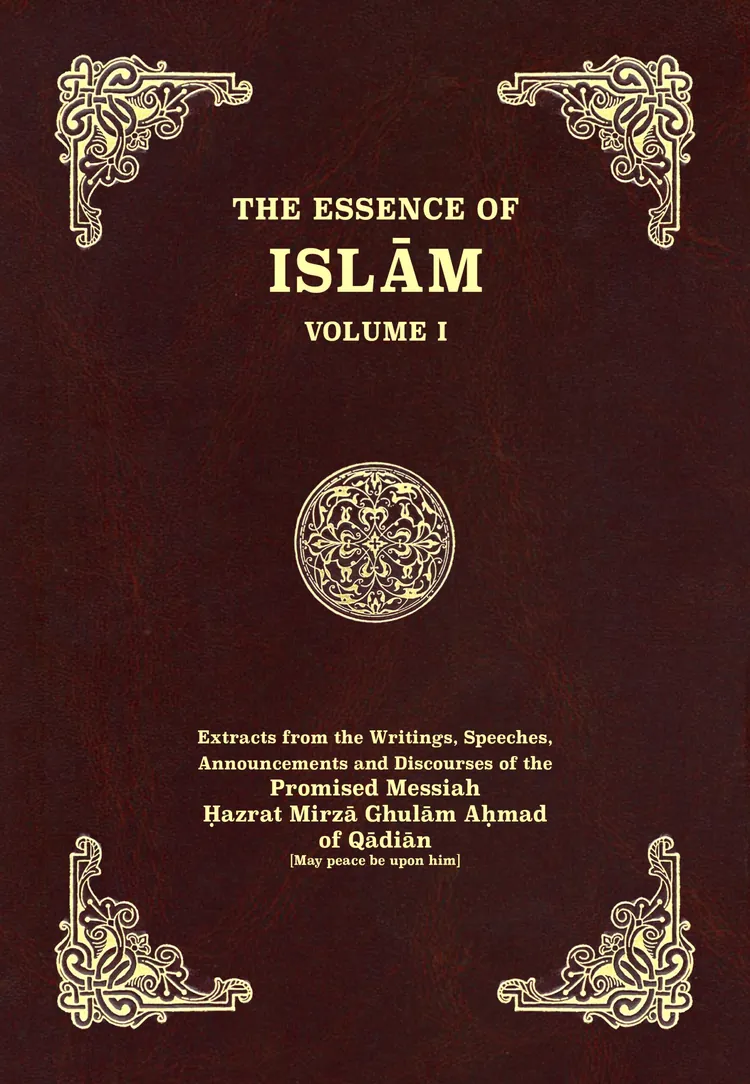
Introduction
In this discourse from Essence of Islam (Volume 2), Hazrat Mirza Ghulam Ahmad (AS), the Promised Messiah and Mahdi, expounds upon To Supplicate Is Human and to Respond Is Divine, presenting profound spiritual insights and scriptural verities.
Book Series: Essence of Islam (Volume 2)
Author: Hazrat Mirza Ghulam Ahmad of Qadian (AS)
Section: Part 5: Prayer
Navigation: Book Table of Contents | « Previous: Conditions of Acceptance of Prayer | Next: Etiquette of Prayer »
When a child being driven by hunger cries for milk, then milk is generated in the mother’s breasts. The child does not know what prayer is, but his cries draw the milk. This is a universal experience. Sometimes when the mother does not perceive the presence of milk in her breasts, the child’s cries help to draw it. Then can our cries before God Almighty draw nothing? They certainly draw everything. But those sightless ones, who parade themselves as scholars and philosophers, cannot see it. If a person were to reflect on the philosophy of prayer, keeping in mind the connection and relationship which a child has with its mother, he would find it easy to understand. The second type of mercy comes into operation after supplication. Go on asking and you will go on receiving. 57
is not mere verbiage, but is a characteristic of human nature. To supplicate is human to respond is Divine. He who does not understand and does not believe is false. The illustration of the child that I have set forth expounds the philosophy of prayer in an excellent way.
[Malfuzat, vol. 1, pp. 129-130]
[Essence of Islam, Vol. 2, p. 198]
It is at a time of trial that the wonderful and rare qualities and effects of prayer are manifested. The truth is that our God is recognized only through prayers.
[Malfuzat, vol. III, p. 201]
[Essence of Islam, Vol. 2, p. 199]
Book Series: Essence of Islam (Volume 2)
Author: Hazrat Mirza Ghulam Ahmad of Qadian (AS)
Section: Part 5: Prayer
Navigation: Book Table of Contents | « Previous: Conditions of Acceptance of Prayer | Next: Etiquette of Prayer »