
Quran 3:144 — All Messengers Have Passed Away
Introduction
Khalā (خلا) means to pass away. In the context of a human passing away, it only means the following:
- Passing away from this worldly life (i.e. death or martyrdom).
- Passing away from a specific location, IF that location is mentioned.
It is never used to describe flying physically towards heaven.
In Surah Al Imran, Allah Almighty establishes a universal divine law regarding all prophets:
وَمَا مُحَمَّدٌ إِلَّا رَسُولٌ قَدْ خَلَتْ مِنْ قَبْلِهِ الرُّسُلُ أَفَإِنْ مَاتَ أَوْ قُتِلَ انْقَلَبْتُمْ عَلَى أَعْقَابِكُمْ
“And Muhammad is only a Messenger. Verily, all Messengers have passed away before him. If then he die or be slain, will you turn back on your heels?”
[Quran 3:144]
When the Holy Prophet Muhammad ﷺ passed away, the Muslim community was plunged into deep shock and grief. Hazrat Umar (RA) could not accept his death. He drew his sword and declared that the Prophet ﷺ had only gone to his Lord like Moses (AS) and would return.
Hazrat Abu Bakr (RA) stepped forward and addressed the entire assembly. He recited Quran 3:144. Hearing this verse, every single Companion—including Hazrat Umar (RA)—accepted that Prophet Muhammad ﷺ had truly died. Why? Because every previous messenger before him had already died.
This moment established the very first unanimous consensus (Ijmāʿ) of Islam: no prophet remains physically alive.
📚 Khala & Khalat Series: All Messengers Have Passed Away
- Master Guide: What Does Khala (خلا) & Khalat (خلت) Mean in Islam? The Complete Theological Guide
- Classical Lexicons: Khala (خلا) & Khalat (خلت) in Arabic Lexicons & Dictionaries
- Quranic Analysis: Khalat (خَلَتْ) & Khala (خلا) in the Quran — 15+ Verses Explained
- Flagship Proof: Quran 3:144: All Messengers Have Passed Away & The First Ijma of the Sahaba (Current Article)
[!NOTE] The Burden of Proof: Anyone claiming that a past prophet was exempted from death and taken physically alive into heaven carries the entire burden of proof. There is zero Quranic verse and zero authentic Hadith stating that any prophet escaped death. In this guide, we examine the linguistic force of Al-Rusul (الرُّسُلُ), how Hazrat Abu Bakr (RA) applied it, and why this dismantles the myth of a physically living Jesus in heaven.
The Meaning of Al-Rusul (الرُّسُلُ)
In Arabic, Al-Rusul (الرُّسُلُ) translates to “the Messengers.” The prefix Al- (الـ) on a plural noun can serve two functions:
- Lām al-Istighrāq (Total Inclusiveness): Referring to every single individual within that category without exception (“all the messengers”).
- Lām al-Jins (Generic Category): Referring to the class or category as a general concept.
In Quran 3:144, the prefix is definitively Lām al-Istighrāq. It encompasses all messengers without a single exception.
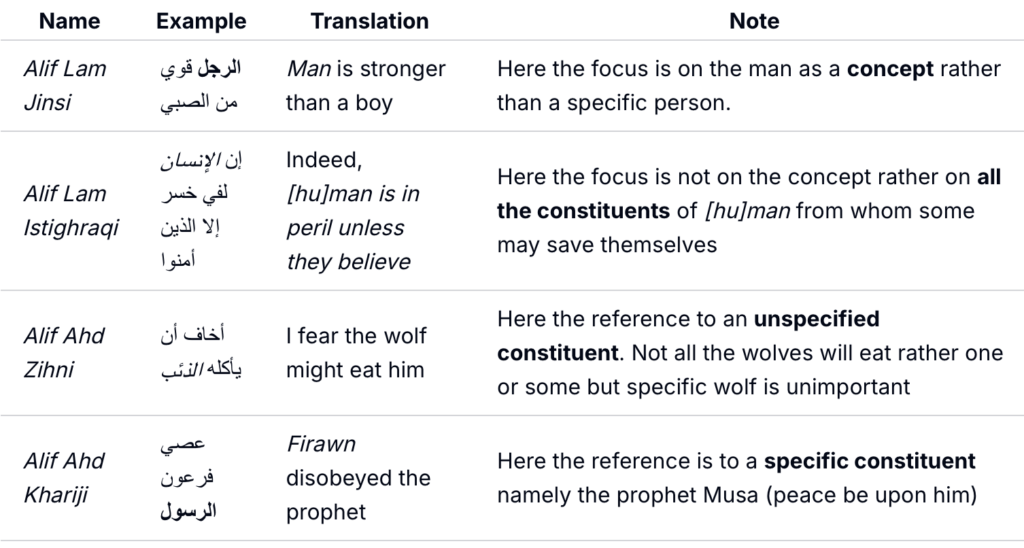
Why Al-Rusul Means Every Single Messenger
Al-Rusul cannot refer to a mere generic class or “some messengers” for three decisive reasons:
- The Internal Quranic Definition: The verse explicitly defines khalat through two exhaustive outcomes: “If then he die or be slain”. Allah outlines natural death (māta) or martyrdom (qutila). No third state—such as bodily ascension to the clouds—is mentioned.
- Comparison with Quran 5:75: Allah uses this exact same phrasing to establish the mortality and death of Isa (AS):
مَا الْمَسِيحُ ابْنُ مَرْيَمَ إِلَّا رَسُولٌ قَدْ خَلَتْ مِنْ قَبْلِهِ الرُّسُلُ وَأُمُّهُ صِدِّيقَةٌ كَانَا يَأْكُلَانِ الطَّعَامَ
“The Messiah, son of Mary, was only a Messenger; surely, all Messengers have passed away before him. And his mother was a truthful woman. They both used to eat food. See how We explain the Signs for their good, and see how they are turned away.”
[Quran 5:75]
In Quran 5:75, the phrase refers to all past messengers to prove that Isa (AS) was a mortal prophet like them. Both he and his mother ate food. Because they no longer eat food, they have passed away.
- The Logical Requirement of the Argument: If Al-Rusul only meant “some messengers,” Hazrat Abu Bakr’s (RA) argument would have fallen flat. Hazrat Umar (RA) could easily have answered: “Prophet Muhammad ﷺ is simply one of the exceptions!” The argument only works because Al-Rusul includes every single prophet without exception.
The Event of the Ijma of the Sahaba
The authentic Hadith collections record the tragic day the Prophet Muhammad ﷺ passed away. They document how Hazrat Abu Bakr (RA) established the death of all previous prophets through Quran 3:144.
1. The Passing of the Prophet ﷺ and Hazrat Umar’s (RA) Initial Denial
Hazrat Aisha (RA) described the final moments of the Holy Prophet Muhammad ﷺ:
…فَبَيْنَمَا رَأْسُهُ ذَاتَ يَوْمٍ عَلَى مَنْكِبَيَّ إِذْ مَالَ رَأْسُهُ نَحْوَ رَأْسِي، فَظَنَنْتُ أَنَّهُ يُرِيدُ مِنْ رَأْسِي حَاجَةً، فَخَرَجَتْ مِنْ فِيهِ نُطْفَةٌ بَارِدَةٌ، فَوَقَعَتْ عَلَى ثُغْرَةِ نَحْرِي، فَاقْشَعَرَّ لَهَا جِلْدِي، فَظَنَنْتُ أَنَّهُ غُشِيَ عَلَيْهِ، فَسَجَّيْتُهُ ثَوْبًا، فَجَاءَ عُمَرُ وَالْمُغِيرَةُ بْنُ شُعْبَةَ، فَاسْتَأْذَنَا، فَأَذِنْتُ لَهُمَا، وَجَذَبْتُ إِلَيَّ الْحِجَابَ، فَنَظَرَ عُمَرُ إِلَيْهِ، فَقَالَ: وَاغَشْيَاهْ، مَا أَشَدَّ غَشْيَ رَسُولِ اللَّهِ صَلَّى اللَّهُ عَلَيْهِ وَسَلَّمَ، ثُمَّ قَامَا، فَلَمَّا دَنَوَا مِنَ الْبَابِ، قَالَ الْمُغِيرَةُ: يَا عُمَرُ، مَاتَ رَسُولُ اللَّهِ صَلَّى اللَّهُ عَلَيْهِ وَسَلَّمَ، قَالَ: كَذَبْتَ، بَلْ أَنْتَ رَجُلٌ تَحُوسُكَ فِتْنَةٌ، إِنَّ رَسُولَ اللَّهِ صَلَّى اللَّهُ عَلَيْهِ وَسَلَّمَ لَا يَمُوتُ حَتَّى يُفْنِيَ اللَّهُ عَزَّ وَجَلَّ الْمُنَافِقِينَ…
“…One day, the Prophet was resting his head on my shoulder. Suddenly his head tilted towards mine. A cold drop came from his mouth and fell upon my chest, making my skin shiver. Thinking he had fainted, I covered him with a sheet.
Then Umar and Mughirah bin Shu’bah came and asked permission to enter. I permitted them and drew my curtain. Looking at the Prophet, Umar said: ‘Alas, the fainting! How severe is the fainting of the Messenger of Allah!’
They stood up to leave. As they drew near the door, Mughirah bin Shu’bah said: ‘O Umar, the Messenger of Allah has passed away.’ Umar replied: ‘You lie! Rather, you are stirred by trial. The Messenger of Allah will not die until Allah Almighty destroys the hypocrites.’“
[Musnad Ahmad 25841] | Grade: Hasan
2. Hazrat Umar’s (RA) Oath and His Belief in the Prophet’s ﷺ Return
Hazrat Aisha (RA) reported what happened in the Prophet’s Mosque while Hazrat Abu Bakr (RA) was at As-Sunh:
…فَقَامَ عُمَرُ يَقُولُ وَاللَّهِ مَا مَاتَ رَسُولُ اللَّهِ صَلَّى اللَّهُ عَلَيْهِ وَسَلَّمَ. قَالَتْ وَقَالَ عُمَرُ وَاللَّهِ مَا كَانَ يَقَعُ فِي نَفْسِي إِلَّا ذَاكَ وَلَيَبْعَثَنَّهُ اللَّهُ فَلَيَقْطَعَنَّ أَيْدِيَ رِجَالٍ وَأَرْجُلَهُمْ… فَقَالَ أَلَا مَنْ كَانَ يَعْبُدُ مُحَمَّدًا صَلَّى اللَّهُ عَلَيْهِ وَسَلَّمَ فَإِنَّ مُحَمَّدًا قَدْ مَاتَ، وَمَنْ كَانَ يَعْبُدُ اللَّهَ فَإِنَّ اللَّهَ حَيٌّ لَا يَمُوتُ… وَقَالَ {وَمَا مُحَمَّدٌ إِلَّا رَسُولٌ قَدْ خَلَتْ مِنْ قَبْلِهِ الرُّسُلُ}… فَنَشَجَ النَّاسُ يَبْكُونَ…
“…Hazrat Umar stood up declaring: ‘By Allah! The Messenger of Allah has not died!’ Umar later said: ‘By Allah, nothing else entered my heart except that.’ He proclaimed: ‘Allah will surely raise him up, and he will cut off the hands and feet of some men!’
Then Hazrat Abu Bakr arrived. He uncovered the face of the Messenger of Allah, kissed him, and said: ‘May my father and mother be sacrificed for you! You are pure in life and in death. By Allah, Allah will never make you taste two deaths.’
Hazrat Abu Bakr went out and addressed Hazrat Umar: ‘Calm down, O oath-taker!’ When Hazrat Abu Bakr spoke, Hazrat Umar sat down.
Hazrat Abu Bakr praised Allah and declared: ‘Whoever among you worshipped Muhammad, then Muhammad has died. But whoever worshipped Allah, then Allah is Alive and never dies.’
Then he recited: ‘And Muhammad is only a Messenger. Verily, all Messengers have passed away before him…’ [Quran 3:144]. At this, the people wept bitterly…”
[Sahih al-Bukhari 3667, 3668]
3. Hazrat Umar’s (RA) Reasoning: The Analogy to Moses (AS)
Why did Hazrat Umar (RA) deny the Prophet’s ﷺ death? He believed the Prophet ﷺ had temporarily departed to his Lord, just like Moses (AS):
“When the Messenger of Allah passed away, Umar stood addressing the people and said: ‘Let me not hear anyone say that Muhammad has died. Verily, Muhammad has not died. Only his Lord has sent for him just as He sent for Moses, who was absent from his people for forty nights.‘”
[Ibn Sa’d, Kitab al-Tabaqat al-Kabir, Vol. II, pp. 336–337] | Chain: Strong
Hazrat Umar (RA) did not claim the Prophet ﷺ was divine. He believed the Prophet ﷺ had gone temporarily to heaven and would return to punish the hypocrites.
4. Hazrat Abu Bakr (RA) Confirms the Decree of Death
Entering the chamber of his daughter Hazrat Aisha (RA), Hazrat Abu Bakr (RA) verified the reality for himself:
…فَتَيَمَّمَ النَّبِيَّ صَلَّى اللَّهُ عَلَيْهِ وَسَلَّمَ وَهُوَ مُسَجًّى بِبُرْدِ حِبَرَةٍ، فَكَشَفَ عَنْ وَجْهِهِ، ثُمَّ أَكَبَّ عَلَيْهِ فَقَبَّلَهُ ثُمَّ بَكَى فَقَالَ: بِأَبِي أَنْتَ يَا نَبِيَّ اللَّهِ، لَا يَجْمَعُ اللَّهُ عَلَيْكَ مَوْتَتَيْنِ، أَمَّا الْمَوْتَةُ الَّتِي كُتِبَتْ عَلَيْكَ فَقَدْ مُتَّهَا…
“…Hazrat Abu Bakr went straight to the Prophet, who was covered with a striped Yemenite cloth. He uncovered his face, bent over him, kissed him, and wept. He said: ‘May my father and mother be sacrificed for you, O Prophet of Allah! Allah will never combine two deaths upon you. As for the death decreed for you, you have now tasted it.’…”
[Sahih al-Bukhari 1241, 1242]
5. The First Appeal: General Verses Fail to Convince Hazrat Umar (RA)
Before ascending the pulpit, Hazrat Abu Bakr (RA) tried to reason with Hazrat Umar (RA) privately using general verses on human mortality:
…فَقَالَ: أَيُّهَا الرَّجُلُ، ارْبَعْ عَلَى نَفْسِكَ، فَإِنَّ رَسُولَ اللَّهِ قَدْ مَاتَ، أَلَمْ تَسْمَعِ اللَّهَ يَقُولُ: { إِنَّكَ مَيِّتٌ وَإِنَّهُمْ مَيِّتُونَ } وَقَالَ: { وَمَا جَعَلْنَا لِبَشَرٍ مِنْ قَبْلِكَ الْخُلْدَ أَفَإِنْ مِتَّ فَهُمُ الْخَالِدُونَ }…
“…Hazrat Abu Bakr said to him: ‘O man! Restrain yourself, for the Messenger of Allah has indeed died. Have you not heard Allah say: {Verily, you will die, and they will die} [Quran 39:30], and {We granted not to any human before you eternal life; if then you die, will they live forever?} [Quran 21:34]?’
Then Hazrat Abu Bakr ascended the pulpit, praised Allah, and recited: {Muhammad is only a Messenger. Verily, all Messengers have passed away before him…} [Quran 3:144]. Hazrat Abdullah bin Umar (RA) remarked: ‘By the One in Whose hand is my soul! It was as though a veil had been lifted from our faces.'”
[Musannaf Ibn Abi Shaybah 37021]
Notice this critical historical fact: quoting general verses like Quran 39:30 (“You will die”) did not convince Hazrat Umar (RA). Hazrat Umar (RA) already believed the Prophet ﷺ would die eventually. He simply thought the Prophet ﷺ had gone temporarily to heaven like Moses (AS).
General statements about human mortality could not break his conviction. Only a verse proving that all past messengers had already passed away could settle the matter.
6. The Decisive Recitation of Quran 3:144 and the Acceptance of the Sahaba
When Hazrat Abu Bakr (RA) recited Quran 3:144 from the pulpit, the impact was immediate and total:
…فَأَخْبَرَنِي سَعِيدُ بْنُ الْمُسَيَّبِ أَنَّ عُمَرَ قَالَ: وَاللَّهِ مَا هُوَ إِلَّا أَنْ سَمِعْتُ أَبَا بَكْرٍ تَلَاهَا فَعَقِرْتُ حَتَّى مَا تُقِلُّنِي رِجْلَايَ، وَحَتَّى أَهْوَيْتُ إِلَى الْأَرْضِ حِينَ سَمِعْتُهُ تَلَاهَا أَنَّ النَّبِيَّ صَلَّى اللَّهُ عَلَيْهِ وَسَلَّمَ قَدْ مَاتَ.
“…Ibn Abbas reported: By Allah, it was as if the people had never known that Allah revealed this verse until Abu Bakr recited it. Every single person received it from him, and soon everyone was reciting it.
Sa’id bin al-Musayyib reported that Hazrat Umar said: ‘By Allah, the moment I heard Abu Bakr recite it, my legs gave way beneath me and I collapsed to the ground, realizing that the Prophet has indeed died.’“
[Sahih al-Bukhari 4452, 4453, 4454]
The Passing of the Messenger of Allah ﷺ: A Chronological Reconstruction
The historical sequence unfolds clearly across the authentic sources:
- The Final Illness: In his final moments, the Prophet ﷺ rested his head upon the shoulder of Hazrat Aisha (RA). A cold drop fell from his lips, and his breathing stopped. Believing he had fainted, she gently covered him with a sheet [Musnad Ahmad 25841].
- The Grief of Hazrat Umar (RA): Hazrat Umar (RA) and Mughirah bin Shu’bah (RA) entered the chamber. Seeing the Prophet ﷺ still, Hazrat Umar (RA) assumed he had merely lost consciousness [Musnad Ahmad 25841].
- The Initial Denial: At the door, Mughirah bin Shu’bah (RA) stated that the Prophet ﷺ had passed away. Distraught with grief, Hazrat Umar (RA) rejected this and declared the Prophet ﷺ would not die until Allah destroyed the hypocrites [Musnad Ahmad 25841].
- The Public Declaration: In the Mosque, Hazrat Umar (RA) drew his sword before the grieving crowd. He swore by Allah that the Prophet ﷺ was not dead [Sahih al-Bukhari 3667].
- The Moses (AS) Analogy: Hazrat Umar (RA) argued that the Prophet ﷺ had only departed temporarily, just as Moses (AS) disappeared for forty nights before returning to his people [Ibn Sa’d, Tabaqat, Vol. II, pp. 336–337].
- The Arrival of Hazrat Abu Bakr (RA): Hazrat Abu Bakr (RA) rode in swiftly from his dwelling in As-Sunh. He entered the chamber of Hazrat Aisha (RA) without speaking to the crowd [Sahih al-Bukhari 1241].
- The Certainty of Death: Uncovering the Prophet’s ﷺ face, Hazrat Abu Bakr (RA) kissed his forehead and wept. He stated: “Allah will never combine two deaths upon you. The death decreed for you has now been tasted” [Sahih al-Bukhari 1241].
- The Failed First Appeal: Coming outside, Hazrat Abu Bakr (RA) found Hazrat Umar (RA) still preaching his denial. He quietly reminded him of general verses on human mortality (Quran 39:30 and 21:34). Hazrat Umar (RA) remained unconvinced [Musannaf Ibn Abi Shaybah 37021].
- The Assembly Silenced: Hazrat Abu Bakr (RA) stepped up to the pulpit. He repeatedly urged Hazrat Umar (RA) to sit down, but he refused. Hazrat Abu Bakr (RA) then began praising Allah, and the entire gathering turned to him [Sahih al-Bukhari 1241].
- The Historic Proclamation: Hazrat Abu Bakr (RA) declared: “Whoever worshipped Muhammad, then Muhammad has died. But whoever worshipped Allah, Allah is Alive and never dies” [Sahih al-Bukhari 1241].
- The Decisive Proof: He recited the universal divine law: “Muhammad is only a Messenger. Verily, all Messengers have passed away before him…” [Quran 3:144; Sahih al-Bukhari 1241].
- The Awakening of the Sahaba: It was as though the Companions had never heard this verse before. Immediately, every Companion took up the verse and recited it across the streets of Madinah [Sahih al-Bukhari 4452].
- The Submission of Hazrat Umar (RA): The theological reality struck Hazrat Umar (RA). His legs gave out beneath him and he collapsed to the earth, finally accepting that the Prophet ﷺ had died [Sahih al-Bukhari 4452].
- The Public Recantation: The next day from the pulpit, Hazrat Umar (RA) openly recanted his error. He admitted he had spoken out of intense personal longing, acknowledging that Allah’s decree had come to pass [Ibn Sa’d, Tabaqat, Vol. II, p. 338].
The Death of Isa (AS): The 8-Point Argument from Quran 3:144
The historical and linguistic facts of Quran 3:144 provide an airtight theological proof for the death of Isa (AS):
- The Universal Law of Messengers: Quran 3:144 explicitly establishes that messengers prior to Prophet Muhammad ﷺ have passed away (qad khalat). Hazrat Abu Bakr (RA) cited this verse as absolute proof of the Prophet’s ﷺ death. If any past messenger were still alive, the proof would have collapsed immediately.
- The Two Exclusive Outcomes Defined by Allah: Within the verse itself, Allah defines khalat by two exhaustive states: dying naturally (māta) or being slain (qutila). Allah offers zero third option. There is no mention of bodily ascension into the clouds while remaining alive. If staying alive in heaven were a possibility for a prophet, Allah would have mentioned it here.
- The Grammatical Force of Al-Rusul (الرُّسُلُ): The noun Al-Rusul carries Lām al-Istighrāq (the definite article of total inclusiveness). It means every single messenger without exception. It does not mean “some messengers.” If it meant only “some,” it could never prove the Prophet’s ﷺ death, because he could simply have been one of the exceptions.
- Hazrat Umar’s (RA) Premise Was an Exception: Hazrat Umar (RA) was arguing an exceptional case. He claimed the Prophet ﷺ had departed temporarily like Moses (AS) on Mount Sinai. To refute an appeal to an exception, one must establish an absolute rule with zero exceptions. Quran 3:144 did exactly that.
- No Second Return to Earth: Hazrat Abu Bakr (RA) closed off the idea of a physical return before addressing the public. Kissing the Prophet’s ﷺ forehead, he stated: “Allah will never combine two deaths upon you.” A prophet does not leave, return decades or centuries later, and die a second time.
- The Unanimous Silence of the Sahaba (The First Ijma): When Hazrat Abu Bakr (RA) recited Quran 3:144, hundreds of Companions were present. Not a single Companion stood up to say: “Wait Abu Bakr, not all messengers have died! Isa (AS) is alive in heaven and will return!” Their complete unanimous agreement (Ijmāʿ) proves they knew all past prophets had died.
- General Verses Were Not Enough: Verses like Quran 39:30 (“Verily you will die”) and Quran 21:34 (“We granted not to any human before you eternal life”) did not convince Hazrat Umar (RA). Why? Because those verses state that a prophet will eventually die, but do not rule out a temporary physical absence. Only Quran 3:144 convinced him, because it proved historical precedent: every single prophet before him had already passed away.
- The Burden of Proof is Absolute: Opponents claim that Isa (AS) did not die, but flew physically into the sky. There is zero Quranic verse and zero authentic Hadith stating Isa (AS) was exempted from Quran 3:144. To claim an exception without textual proof is baseless speculation.
Conclusion
The evidence from Quran 3:144 establishes an unshakeable Quranic reality:
- Quran 3:144 establishes an absolute rule: All messengers before Prophet Muhammad ﷺ passed away.
- The verse defines its own terms: Khalat means natural death (māta) or martyrdom (qutila), leaving zero room for bodily ascension.
- Al-Rusul includes every prophet: Linguistically, Lām al-Istighrāq leaves zero exceptions among previous messengers.
- The first consensus of Islam: Hazrat Abu Bakr (RA) used this verse to prove the Prophet’s ﷺ death, and every Companion unanimously accepted it.
- Isa (AS) was a past messenger: As stated in Quran 5:75, Isa (AS) was a messenger before whom all messengers passed away.
- Isa (AS) has died: Since all messengers before Prophet Muhammad ﷺ died, Isa (AS) passed away like every other prophet.
There is zero verse in the Holy Quran and zero authentic Hadith stating that Isa (AS) was exempted from this divine law. The belief that Isa (AS) is physically alive in heaven contradicts the plain text of the Quran and the first unanimous consensus of the Companions.
Frequently Asked Questions
What does Quran 3:144 say about past prophets?
Quran 3:144 states: “Muhammad is only a Messenger. Verily, all Messengers have passed away [قَدْ خَلَتْ] before him.” The verse establishes that every prophet prior to Prophet Muhammad ﷺ passed away through natural death (māta) or martyrdom (qutila).
What does Al-Rusul (الرُّسُلُ) mean in Quran 3:144?
The prefix Al- on Al-Rusul is Lām al-Istighrāq (the definite article of total inclusiveness). It signifies all messengers collectively and individually, leaving zero exceptions. If even one past prophet were still physically alive, the statement “all messengers have passed away before him” would be linguistically invalid.
How did Hazrat Abu Bakr (RA) use Quran 3:144 after the Prophet’s ﷺ death?
When Hazrat Umar (RA) believed the Prophet ﷺ would return like Moses (AS), Hazrat Abu Bakr (RA) addressed the Companions and recited Quran 3:144. Upon hearing it, all Companions—including Hazrat Umar (RA)—recognized that since all past messengers had died, the Prophet Muhammad ﷺ had also passed away. Zero Companions objected that Isa (AS) was still alive.